
SEACFMD
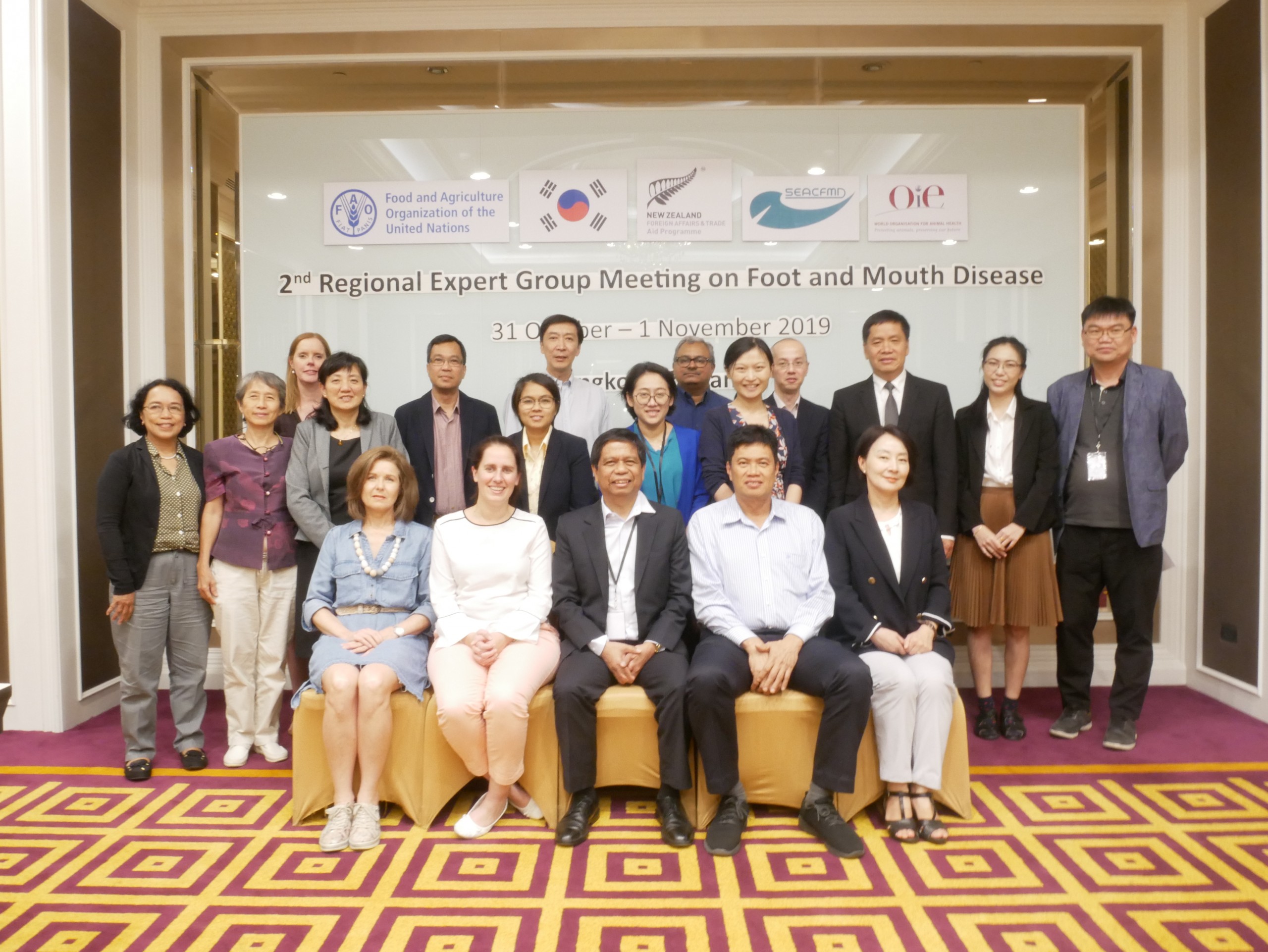
Regional Expert Group Meeting on Foot and Mouth Disease
May 14, 2019
Read more
Effective disease preparedness and response depend on strong diagnostic capacity, early detection, and rapid action. To support these goals, the WOAH South-East Asia Foot and Mouth Disease Campaign (SEACFMD) Laboratory Network and the ASEAN Regional Animal Health Laboratory Technical Advisory Group (Lab-TAG) have worked to strengthen animal health laboratories across the region.
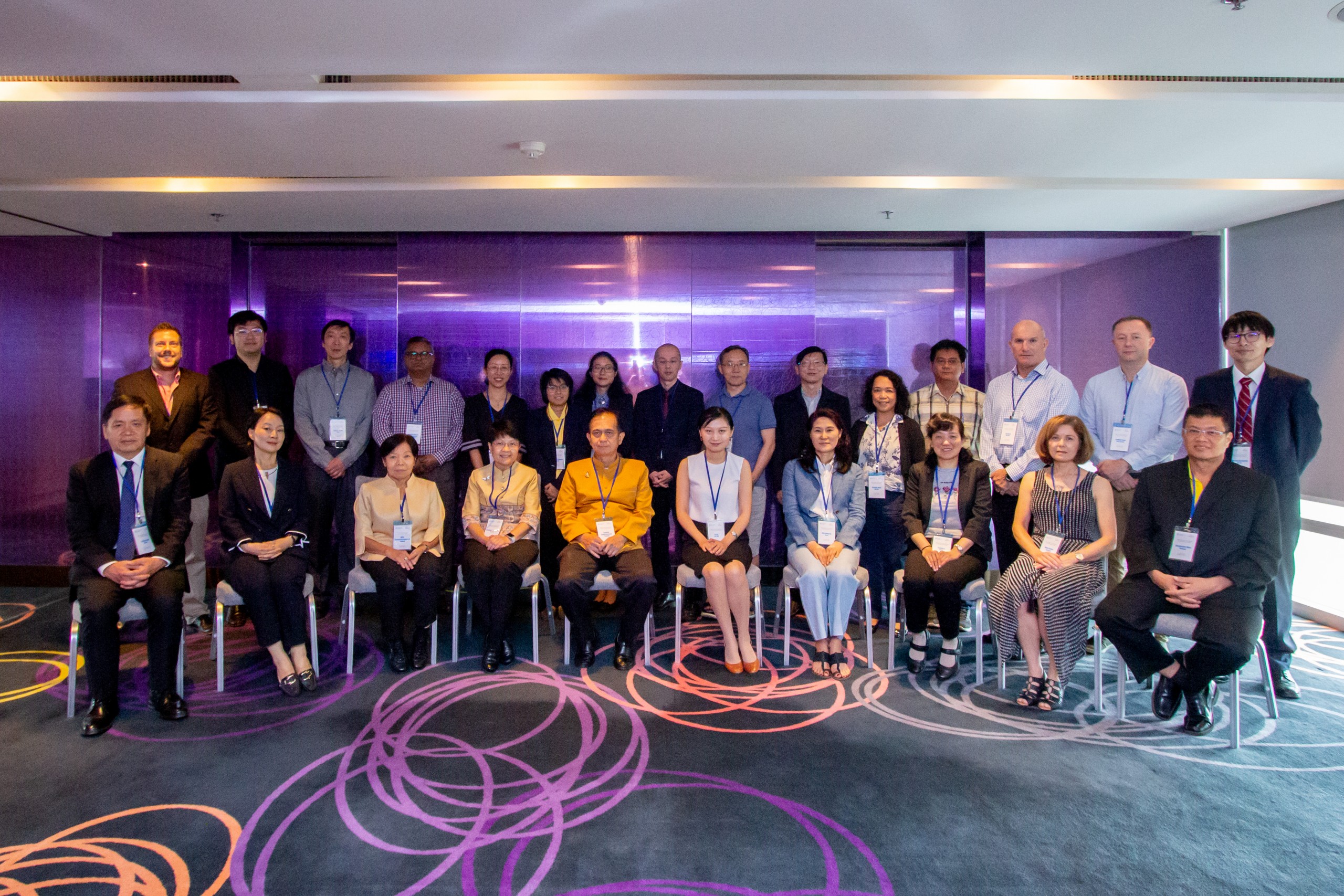
Building on recommendations from regional laboratory experts, WOAH and FAO established the Regional Expert Group (REG) on Foot and Mouth Disease (FMD) in 2019. The group brings together specialists to advance diagnostic methods, promote the use of new technologies, and support vaccine evaluation and monitoring.
Since its establishment, the REG has contributed to the development of regional diagnostic approaches for FMD and facilitated collaboration among national and reference laboratories. While progress was affected by the COVID-19 pandemic, the group continued its work through virtual engagement and technical cooperation.
In light of the recent spread of new FMD virus strains across multiple regions, including East Asia, there is renewed importance in strengthening regional preparedness. Reactivating the REG mechanism will help countries enhance prevention, early detection, and response capacities, while improving coordination and technical support to address emerging FMD threats.
The objectives of the meeting were to:
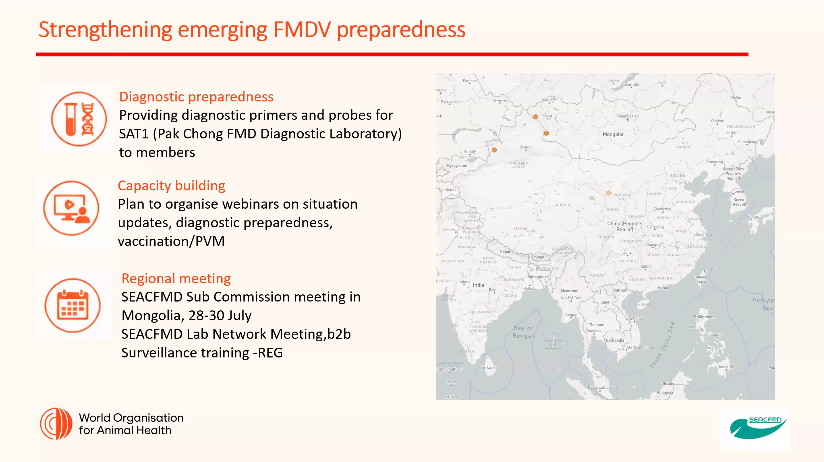
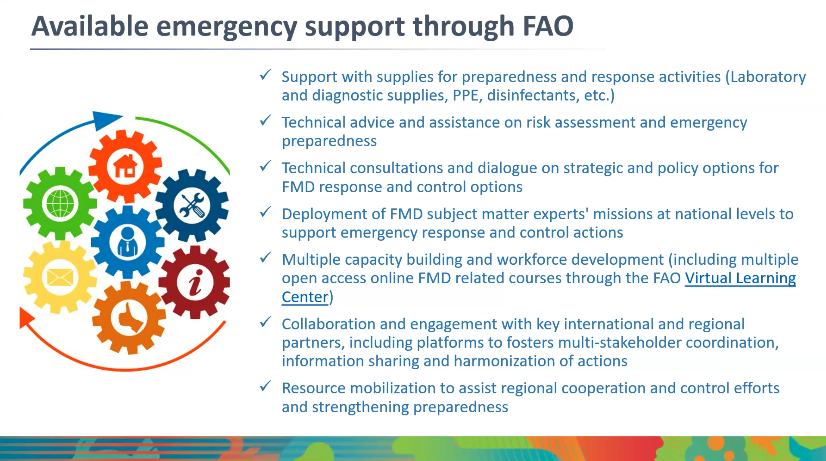
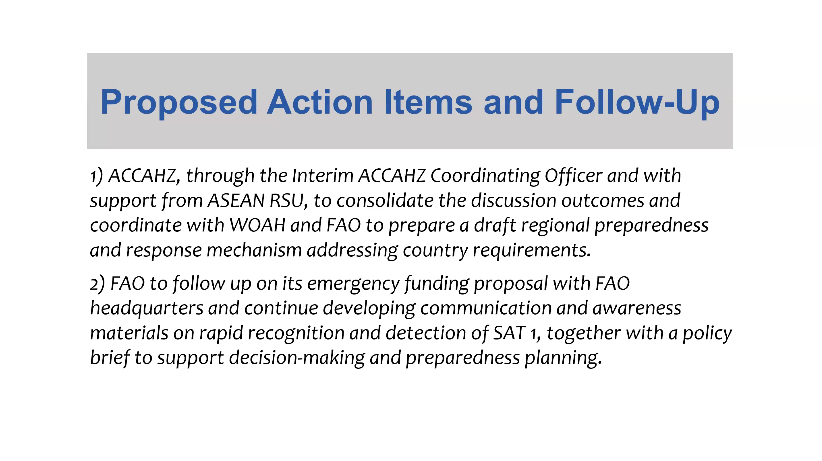
Considering the current situation of FMD, the Special Session of the Regional Expert Group (REG) on FMD, jointly supported by WOAH SRR-SEA and FAO RAP, brought together WOAH FMD reference laboratories, research institutes, and national veterinary laboratories from South East Asian WOAH Members to strengthen regional preparedness and response. The meeting reviewed the global FMD situation and recent developments in FMD diagnostics, discussed emerging challenges related to FMDV serotype SAT1, and identified priorities for technical support, collaboration, and resource mobilisation to enhance diagnostic capacity, surveillance, and early detection.
Presentations