Regional activities
Regional training workshop on brucellosis diagnosis
August 08, 2025
Read more
Organised jointly with the Institute of Veterinary Drug Control (IVDC), Ministry of Agriculture and Rural Affairs (MARA) of the People’s Republic of China
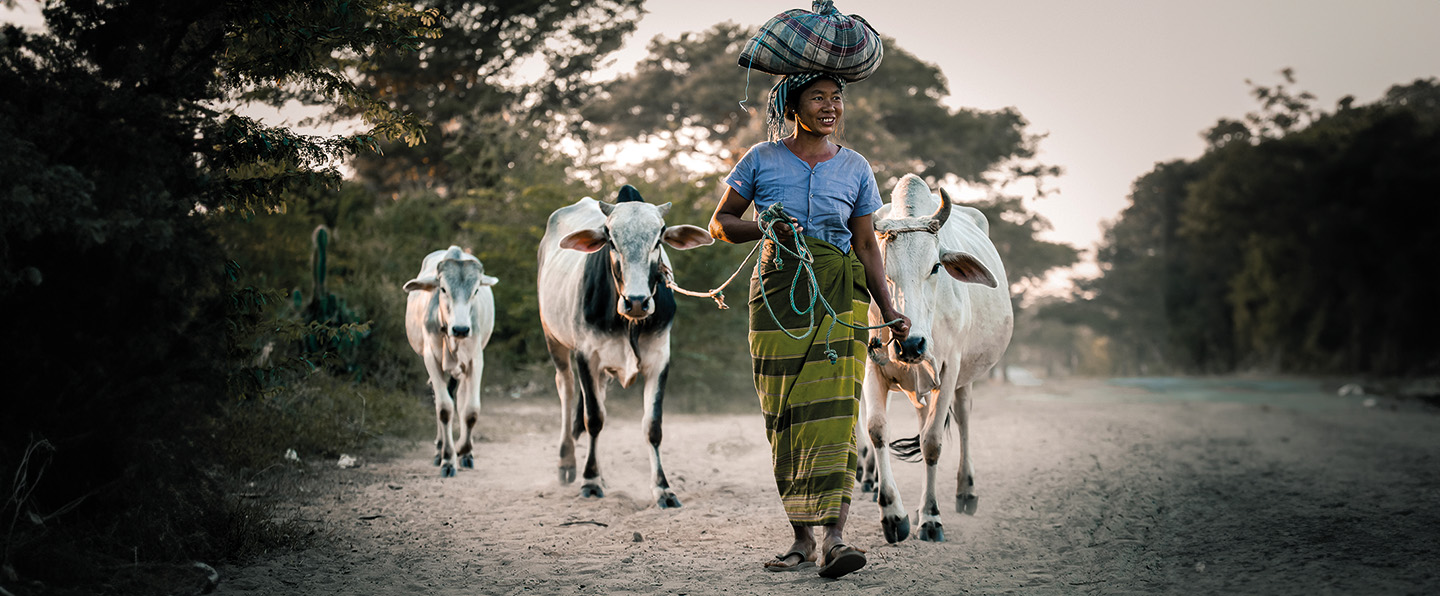
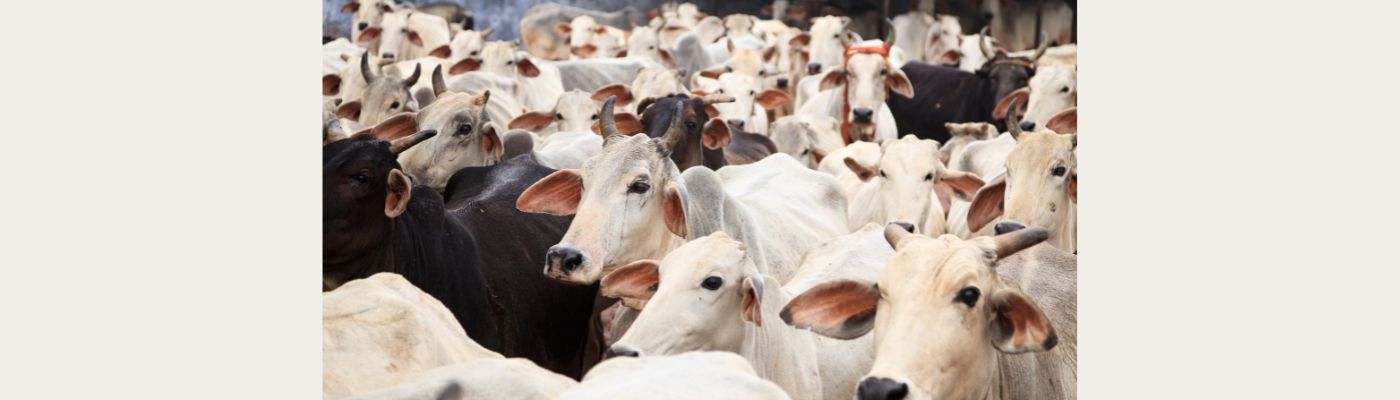
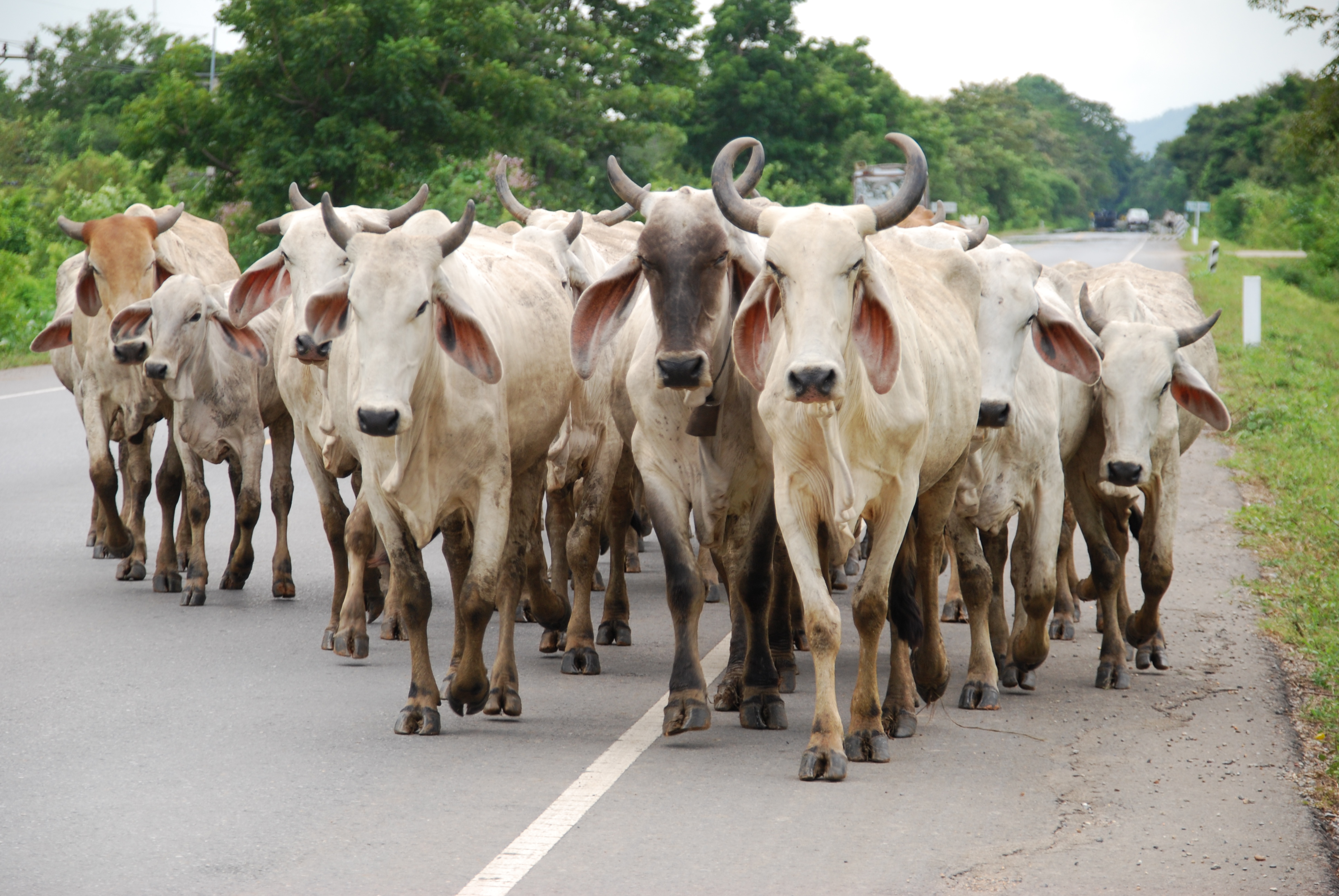
Brucellosis is a neglected zoonotic disease of economic importance that is endemic in most of the lower and middle-income countries, including the Asia Pacific (AP) region. Important species affecting food animals include Brucella abortus in cattle, B. melitensis in small ruminants, and B. suis in pigs. Besides being an occupational hazard for people working with animals such as livestock farmers, veterinarians, abattoir workers, and laboratory workers through direct contact, the disease can be transmitted indirectly to humans via consumption of non-pasteurised milk and milk products. Brucellosis can result in economic losses in terms of reduced production due to infertility, abortions, decreased milk production, and costs for prevention, control, and elimination.
WOAH’s World Animal Health Information System (WAHIS) report for 2023 showed that nine Members in the AP region officially reported the disease to be present in animals. A study in India in 2015 showed the disease caused a loss of US $ 3.4 billion of which losses in cattle and buffalo industries accounted for 95.6% of the total losses. Human brucellosis is one of the commonest zoonoses reported worldwide, with estimated annual cases up to 500,000. In Indonesia, a study in 2018 reported that brucellosis resulted in loss of up to 1.8% of the total value of livestock assets.
Besides domestic animals, the disease has been reported in wild animals such as camels, Asian badgers, Himalayan marmots, and blue sheep, although the role of wildlife in the disease epidemiology is still not clearly understood. A few countries have also reported changes in the dominance of Brucella species such as B. melitensis dominating over B. abortus.
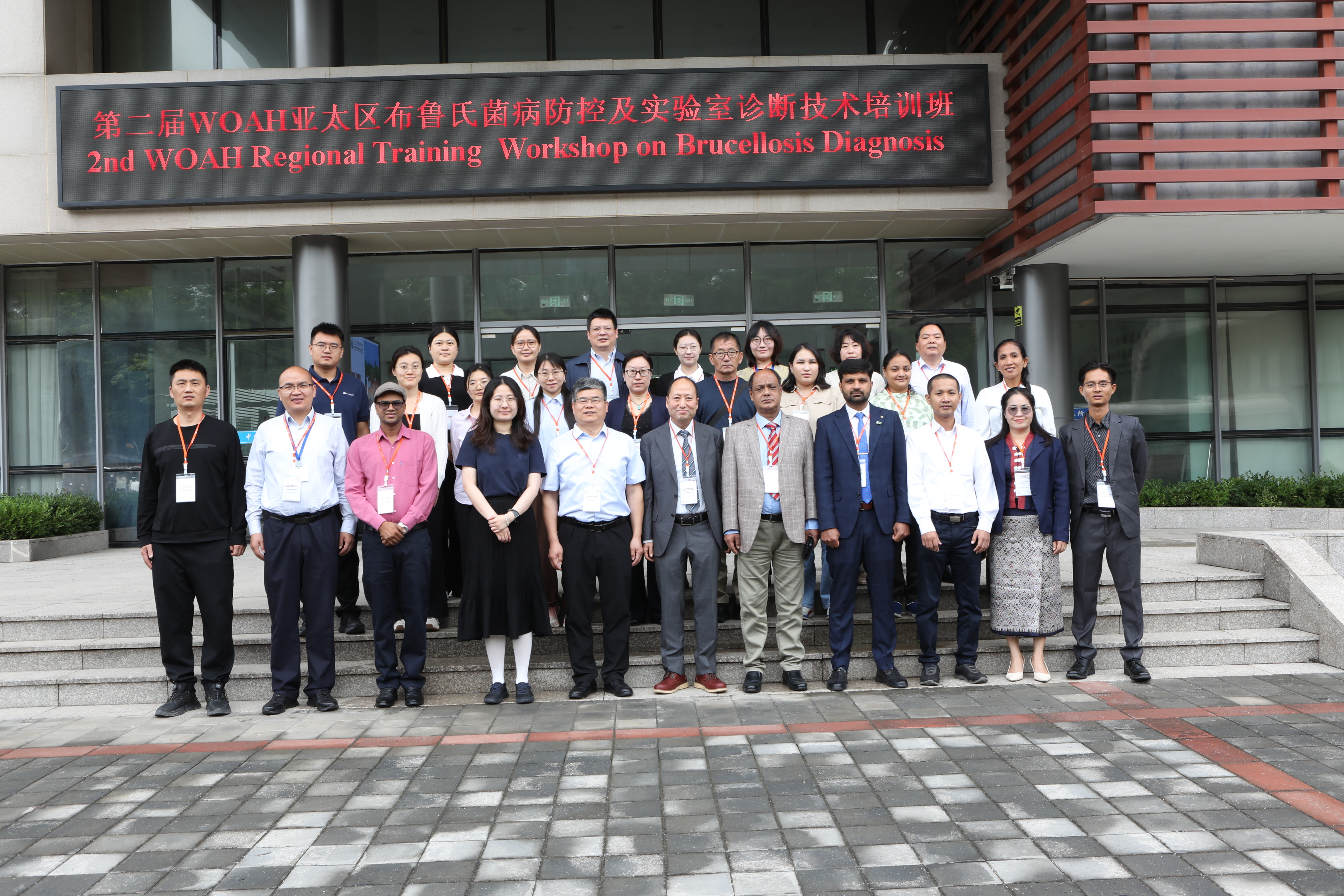
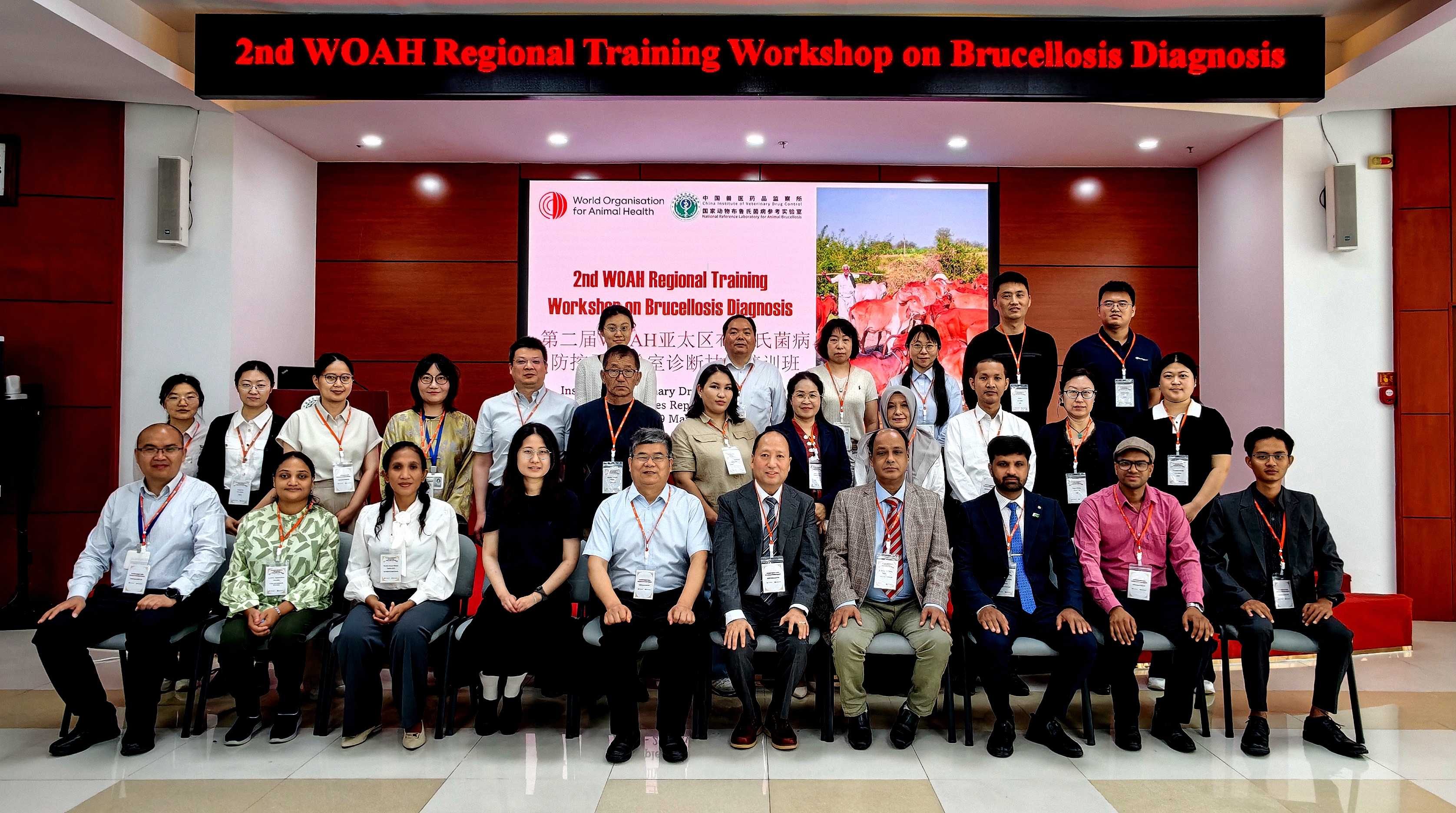
There is still lack of capacity for accurate laboratory diagnosis of animal brucellosis in many WOAH Members and therefore, WOAH RRAP in collaboration with the Institute of Veterinary Drug Control (IVDC) which is the WOAH Reference Laboratory for Brucellosis at Beijing in P.R. China organized the 2nd WOAH Regional Training Workshop on Brucellosis Diagnosis held in Beijing on 26-29 May 2026.
The hands-on training was held with the following objectives:
This training aimed to empower participants with the knowledge, skills, and networks necessary to advance brucellosis diagnosis, surveillance, and control efforts across the Asia-Pacific Region.
Eleven laboratory officers/technicians/veterinarians working at national and sub-national laboratories from Bangladesh, Bhutan, Cambodia, Indonesia, Laos, Myanmar, Nepal, Timor-Leste, and Sri Lanka attended the training.
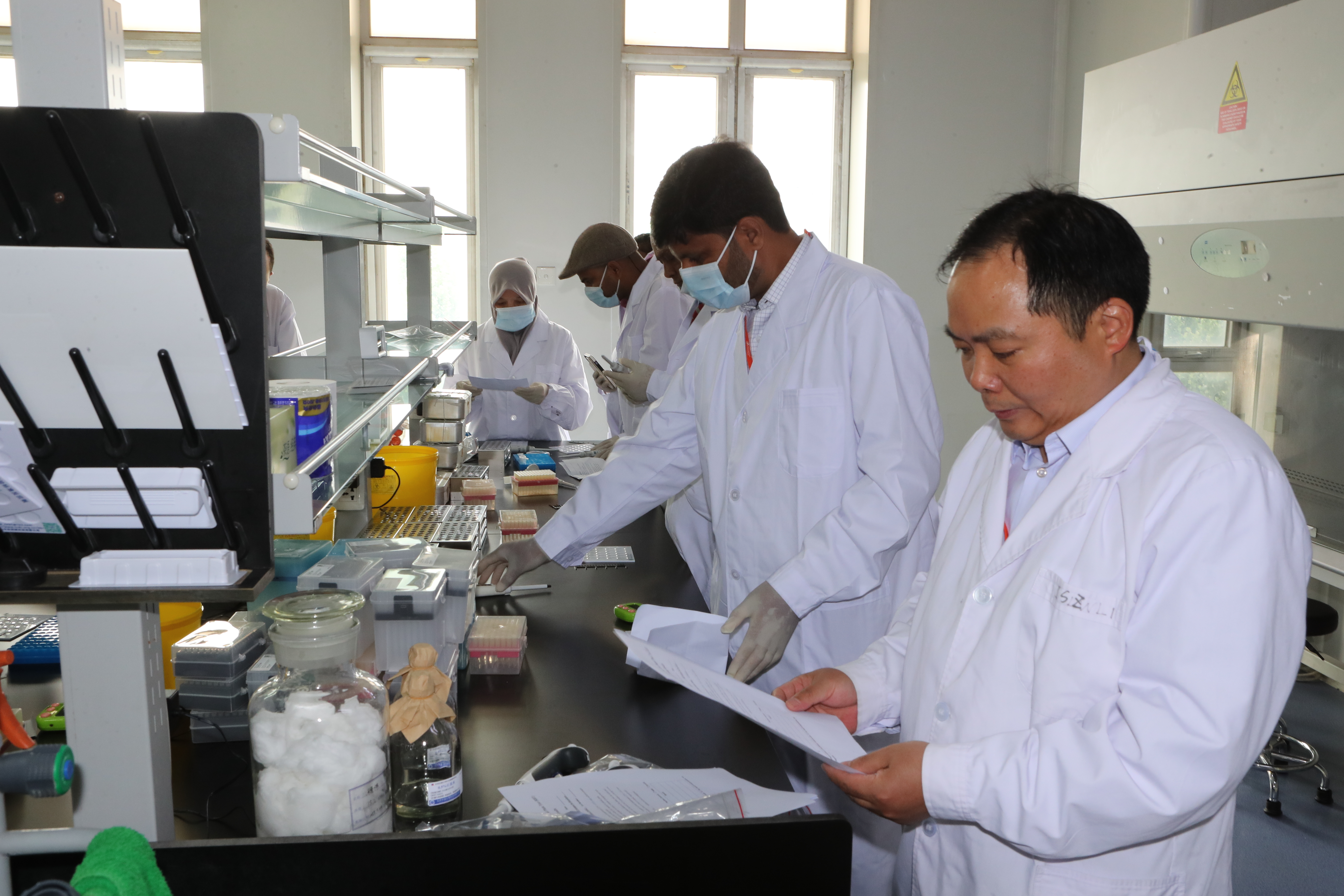
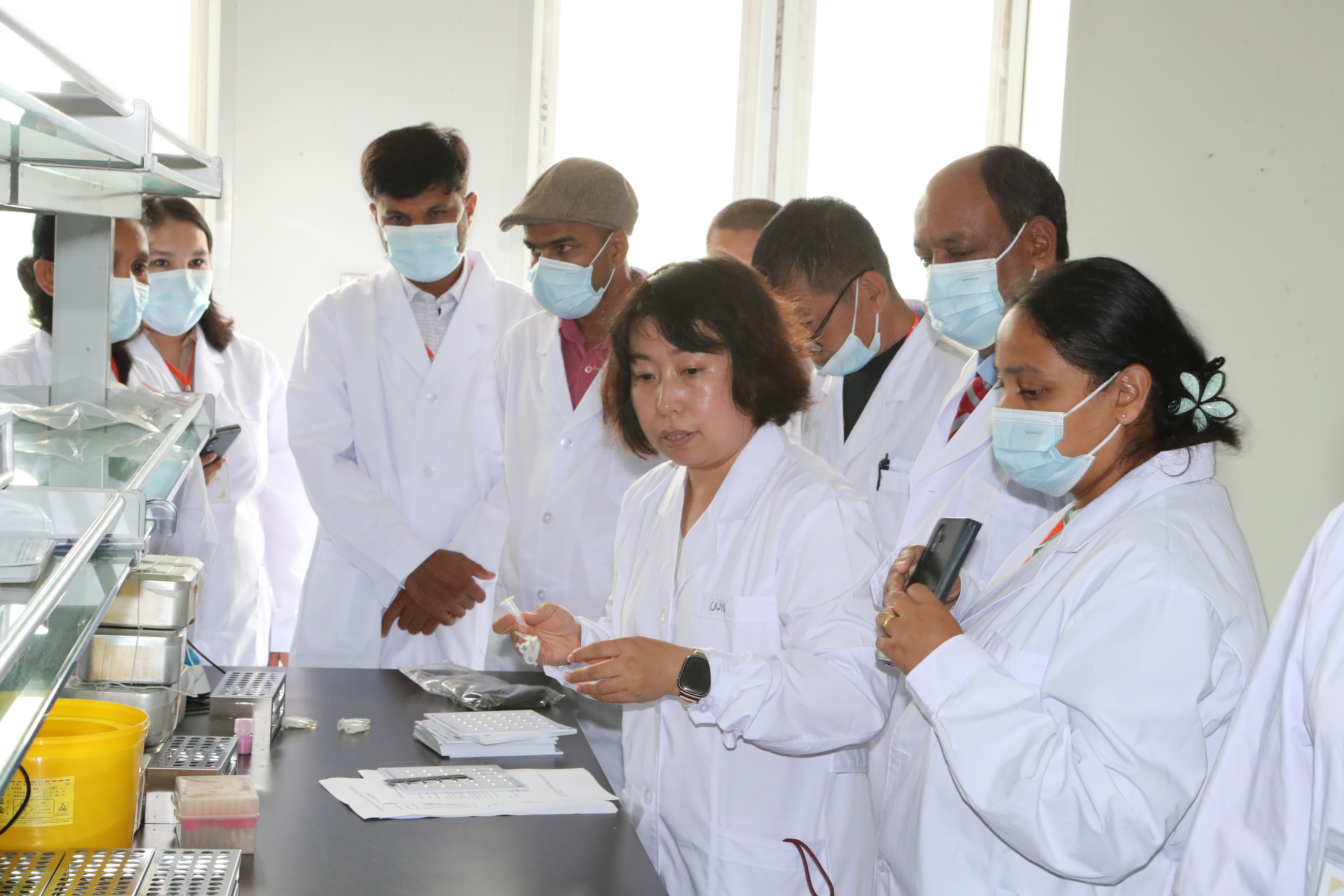
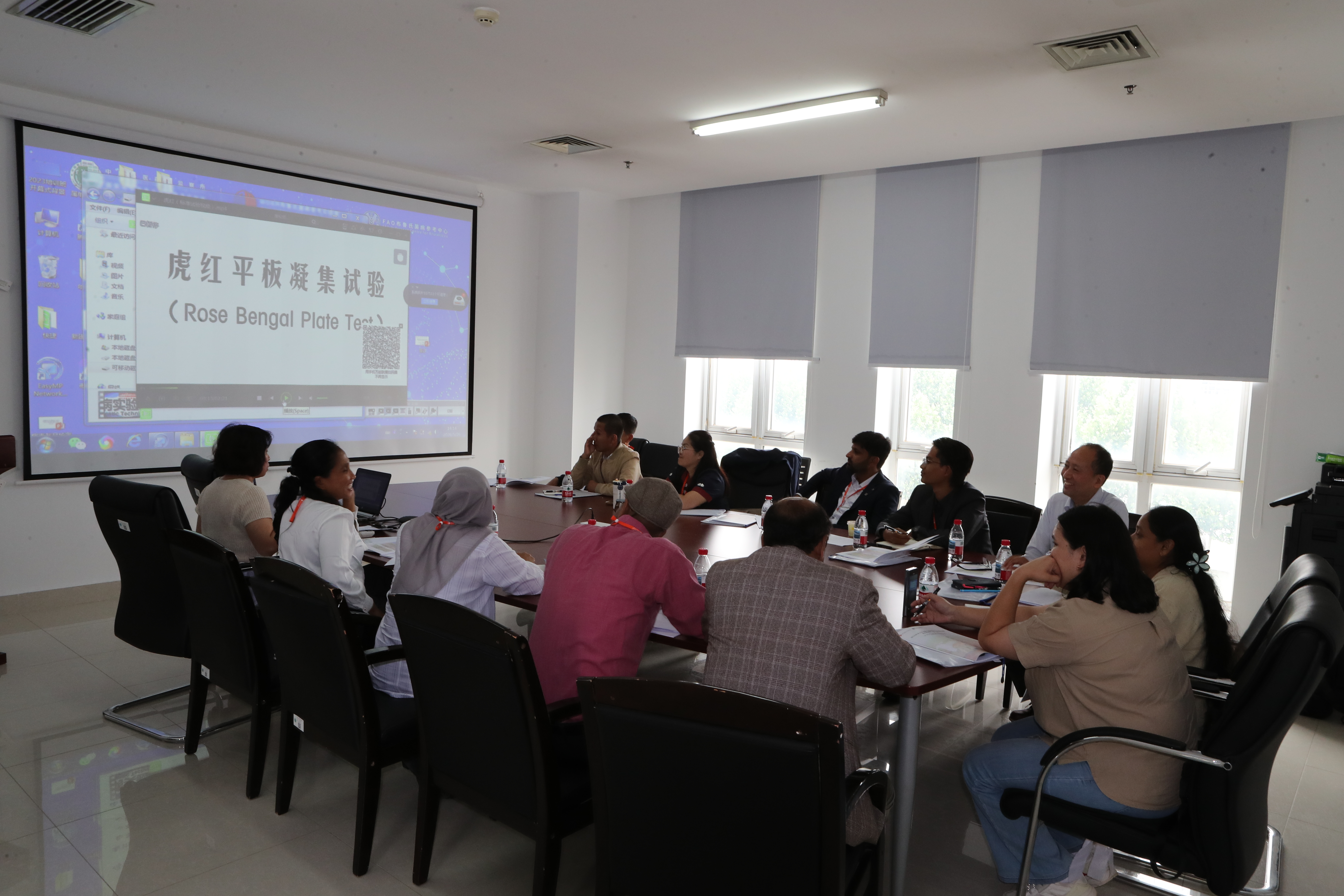
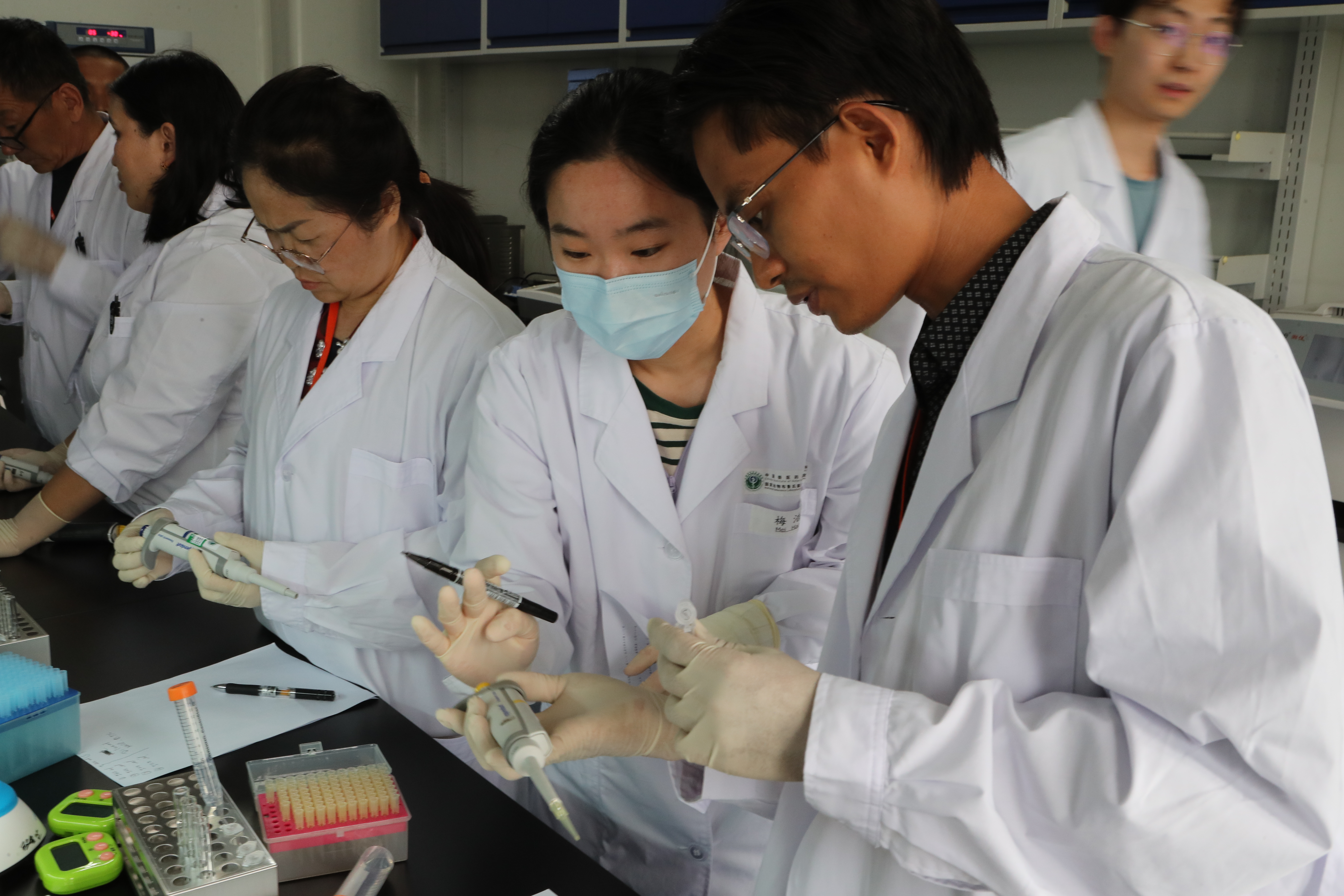
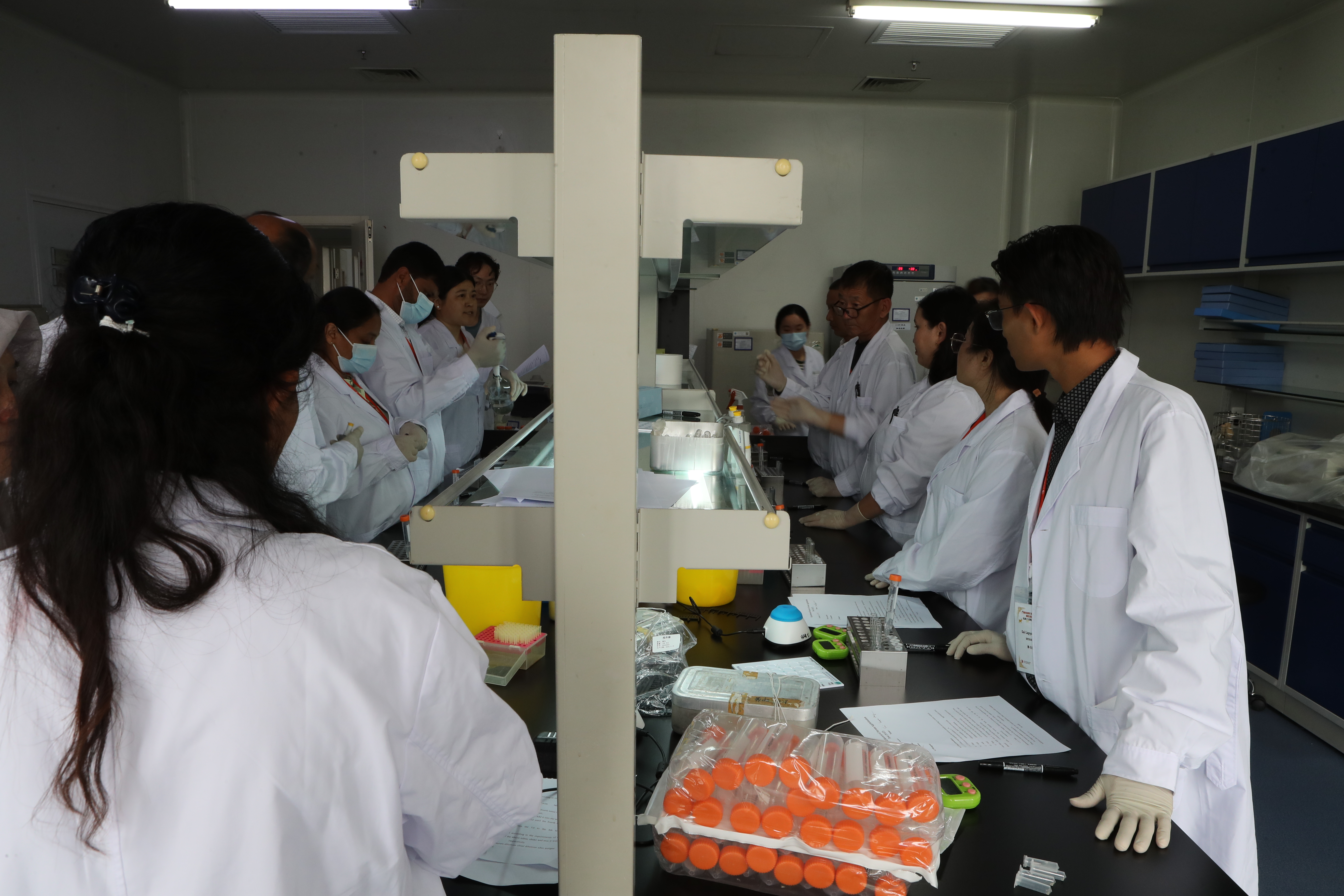
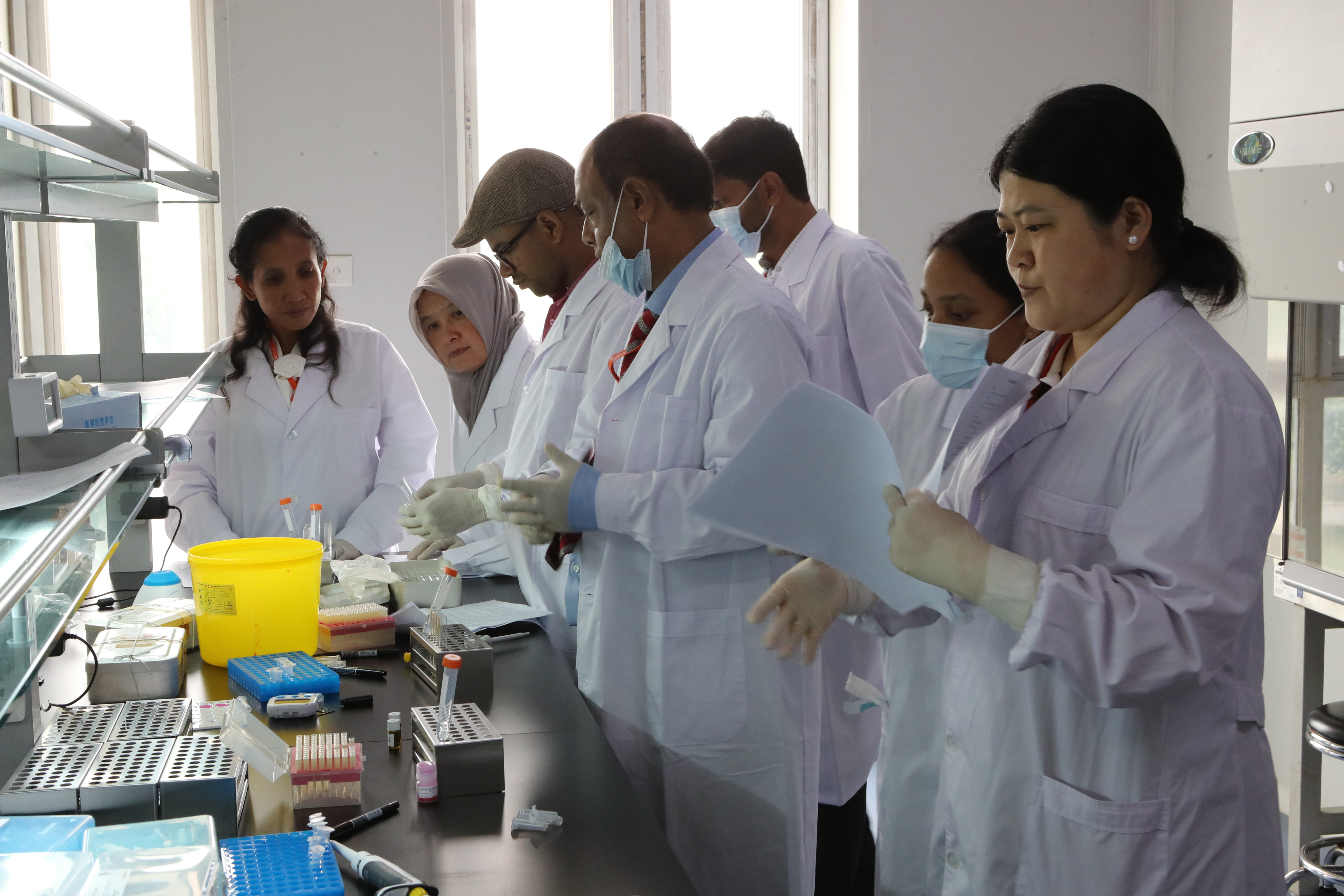
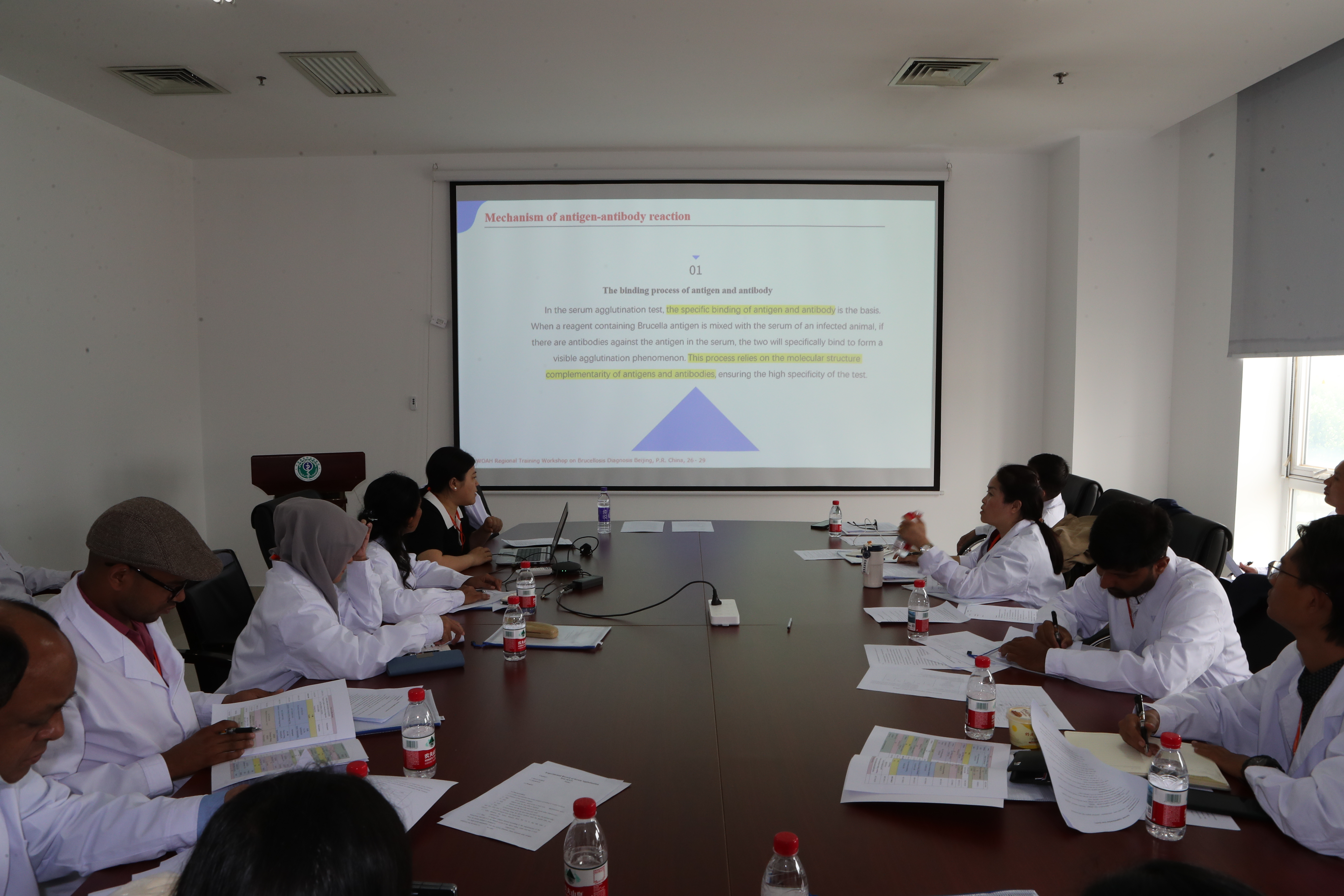
The training was conducted in person through a combination of theory and hands-on practice of diagnostic tests at IVDC, as recommended in the WOAH Terrestrial Manual. Participation was based on invitations extended to WOAH Members.
Experts from the WOAH Reference Laboratory for brucellosis at IVDC in Beijing conducted the training.
Language
The training was conducted in English.
Details
Dates: 26-29 May, 2026
Venue: Institute of Veterinary Drugs Control, Beijing, P.R. China
Agenda:
Country presentations: Bhutan, Cambodia, Indonesia, Lao PDR, Mongolia, Myanmar, Nepal, Pakistan, Sri Lanka, Timor-Leste
Presentations from IVDC:
This training was funded through the generous support of the People’s Republic of China.
format: 0; filter: 0; fileterIntensity: 0.0; filterMask: 0; captureOrientation: 0; runfunc: 0; algolist: 0; multi-frame: 1; brp_mask:0; brp_del_th:0.0000,0.0000; brp_del_sen:0.0000,0.0000; motionR: 0; delta:1; bokeh:1; module: photo;hw-remosaic: false;touch: (0.77006924, 0.17732008);sceneMode: 13107200;cct_value: 0;AI_Scene: (-1, -1);aec_lux: 228.69229;aec_lux_index: 0;albedo: ;confidence: ;motionLevel: 0;weatherinfo: weather??, icon:2, weatherInfo:100;temperature: 33;zeissColor: bright;