
SEACFMD Campaign
16th Meeting of the Upper Mekong Working Group on FMD Zoning and Animal Movement Management
April 10, 2026
Read more
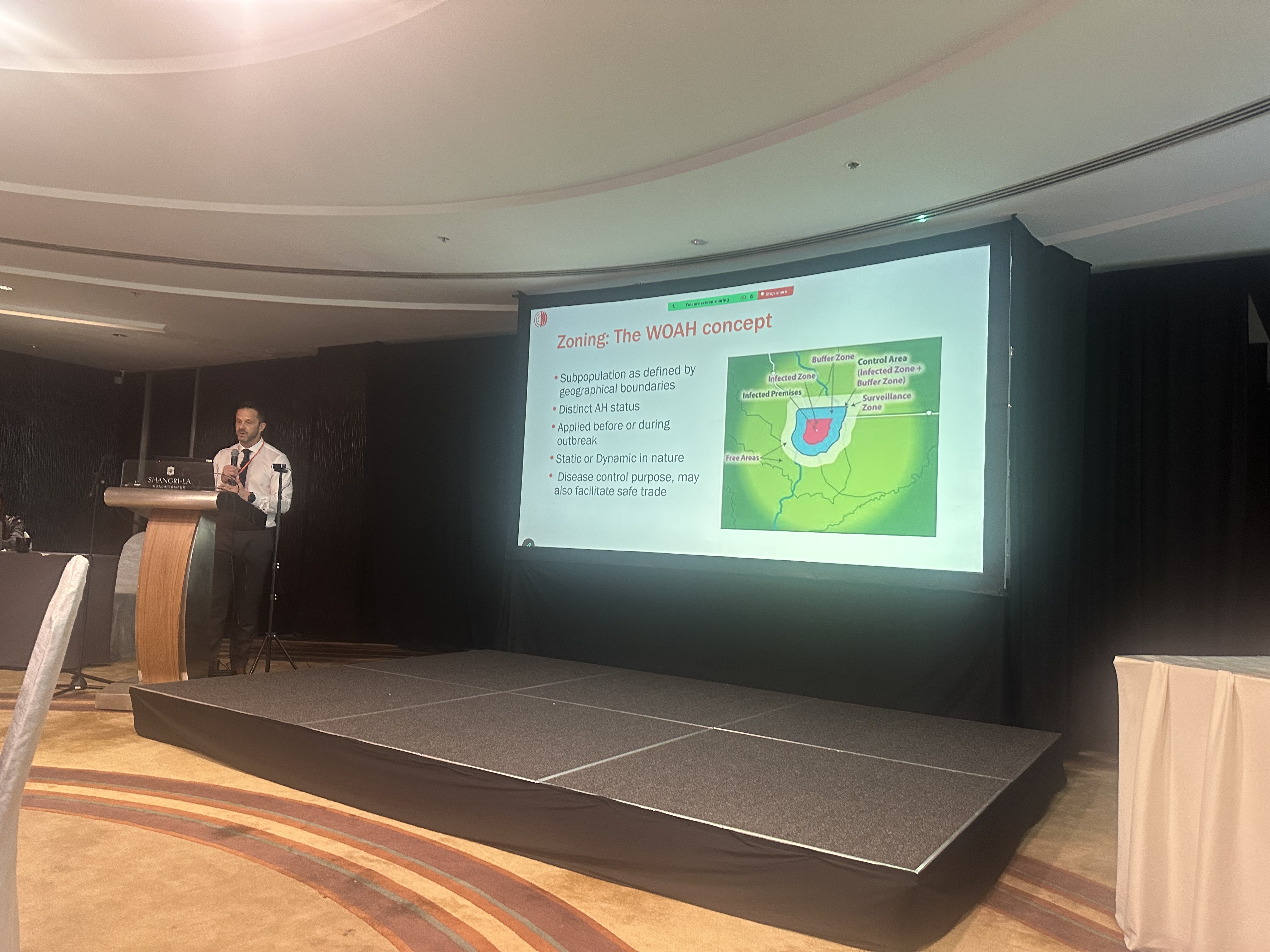
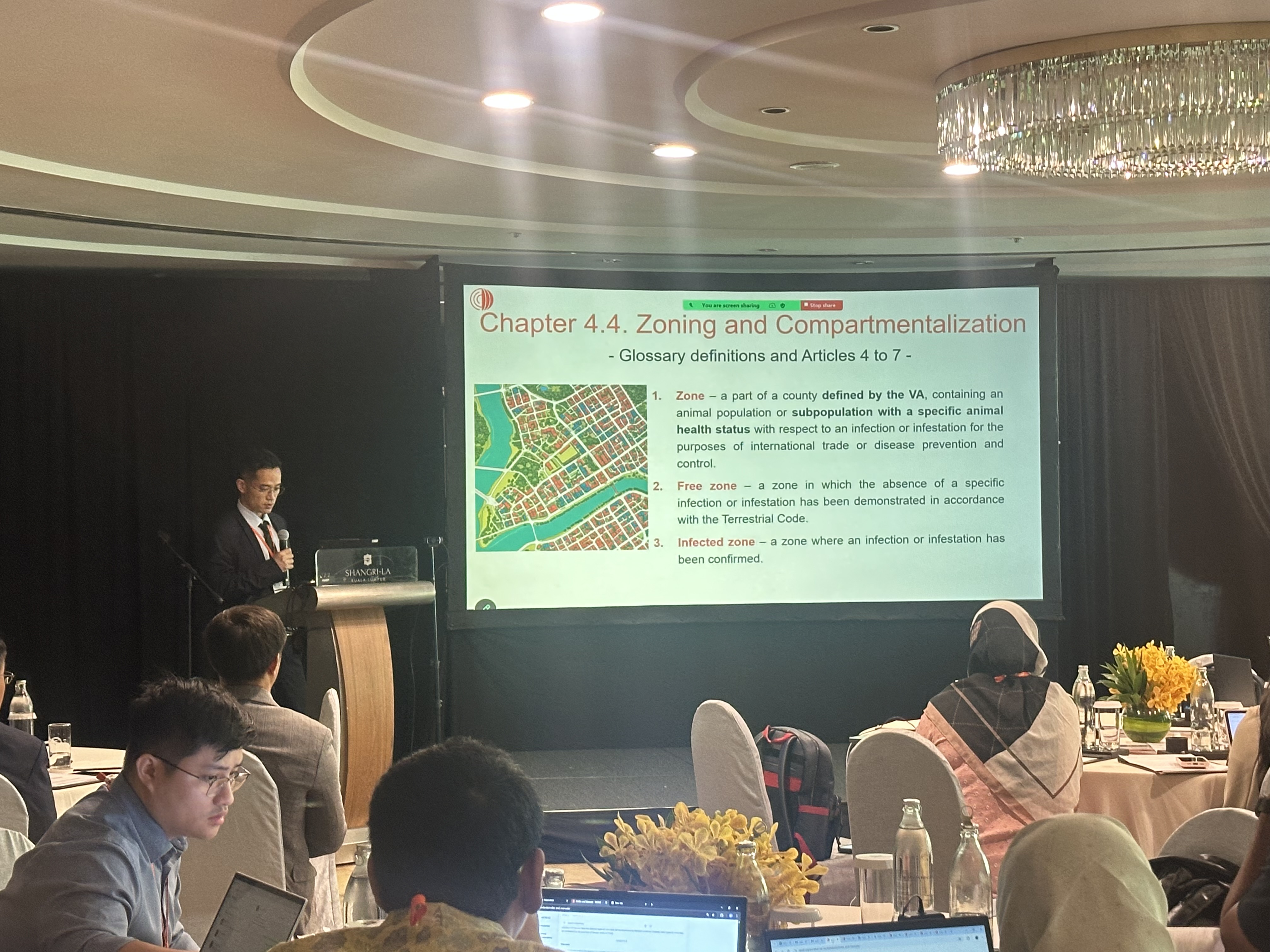
WOAH standards and guidelines on zoning and compartmentalisation support Members to prevent and control disease spread and contribute to ensuring safe trade of animals and related commodities, and limit the disruption of international or regional trade in the event that the disease enters a given territory.
Chapter 4.4 on zoning and compartmentalisation was first adopted in 1998, most recently updated in 2021. Chapter 4.5 application of compartmentalisation was first adopted in 2008 and updates in 2012. For African Swine Fever (ASF) in particular, dedicated Compartmentalisation Guidelines were developed and published in 2021. Point to note: Chapter 4.4. Zoning and compartmentalisation will be revised to focus on defining animal subpopulations, and a new Chapter 4.Y. on the Application of zoning. Chapter 4.5. Application of compartmentalisation remains.
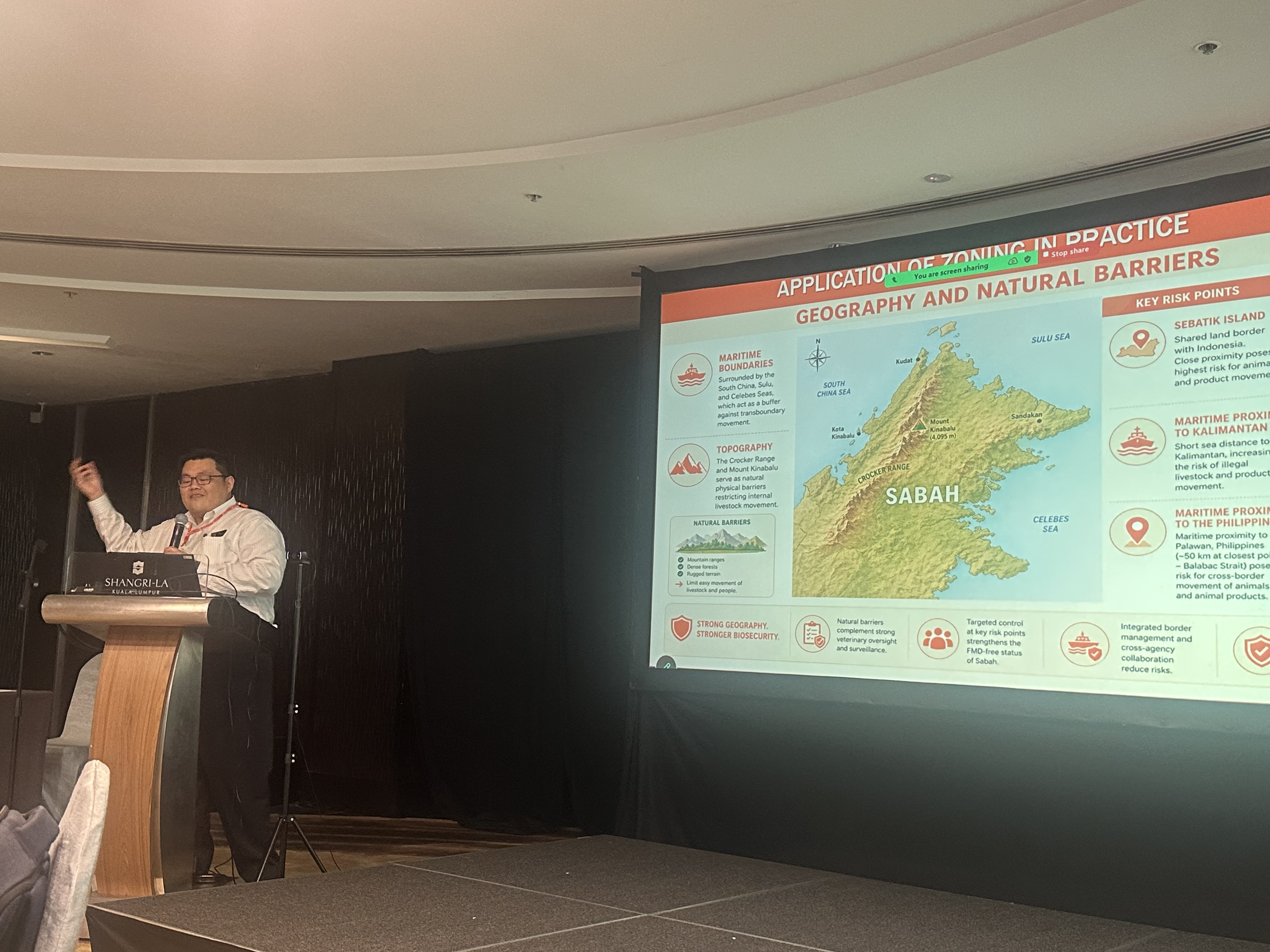
Following the WOAH Global Forum on Zoning that took place in December 2025, Members exchanged on practical challenges with the design and implementation of a zoning strategy and discussed the importance of quality Veterinary Services supported by strong public-private partnerships and an enabling regulatory environment to implement zoning plans effectively. Members also exchanged on the importance of technical capacities such as surveillance and laboratory diagnostics, reliable animal identification and traceability systems and effective movement controls within and between zones.
WOAH’s annual observatory report (2022) indicated a growing number of Members are reporting the application of zoning, but effective implementation remains challenging, and Members’ capacity regarding zoning and compartmentalisation remains limited.
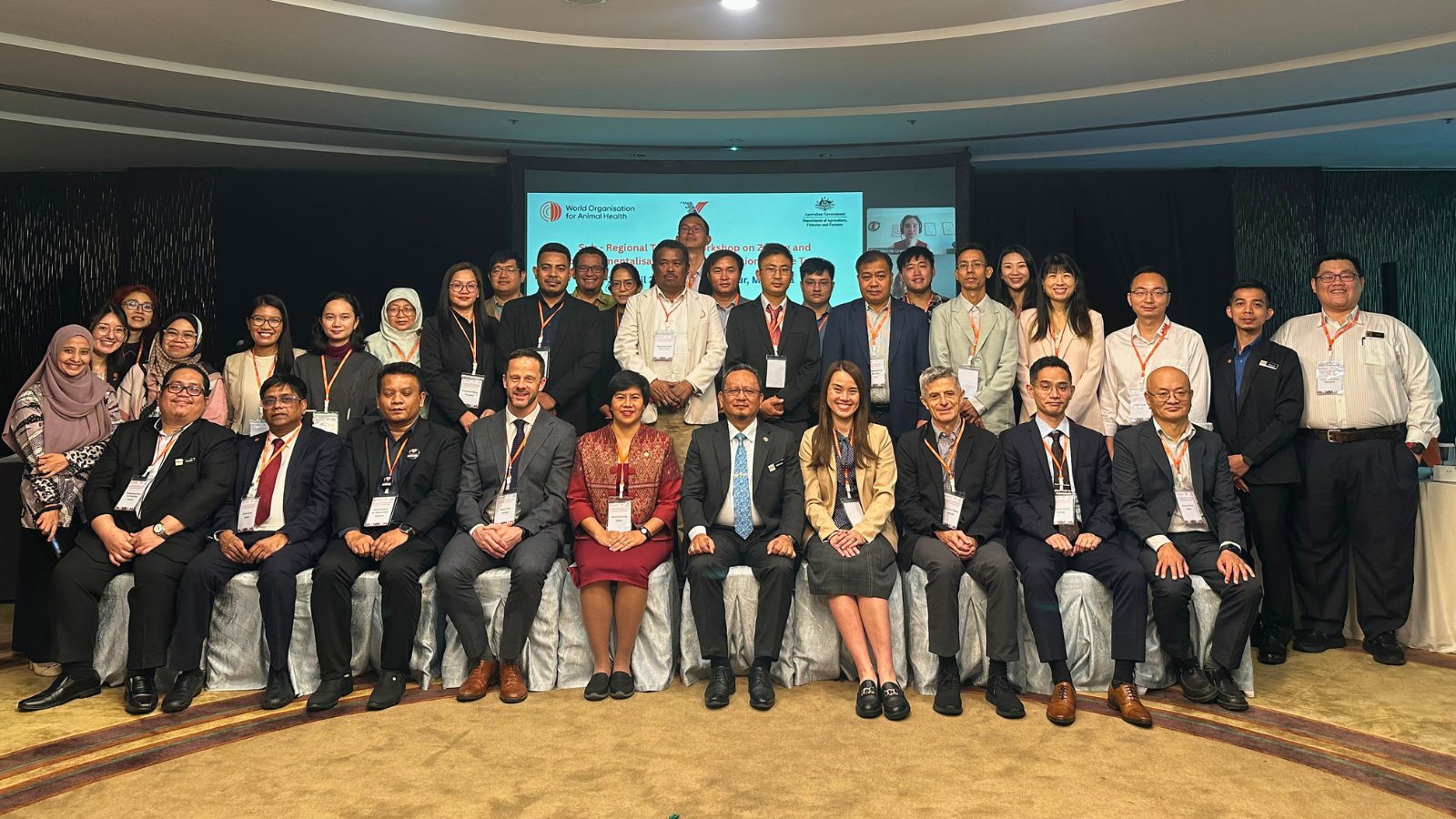
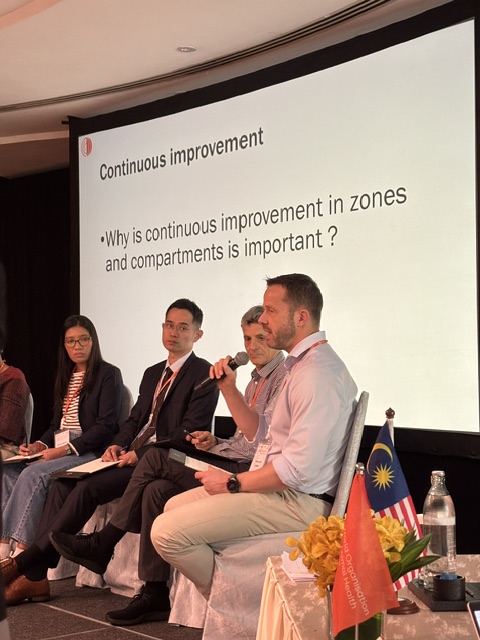
The objective of this training workshop was to strengthen the capacity of WOAH Members in South-East Asia to effectively implement zoning and compartmentalisation as outlined in the WOAH standards and guidelines. The workshop aimed to:
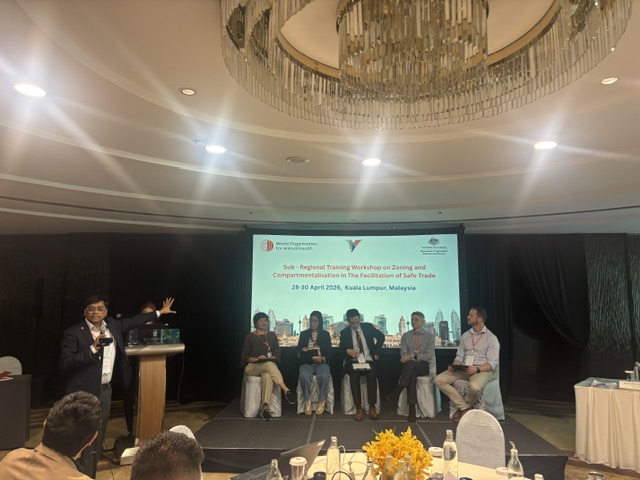
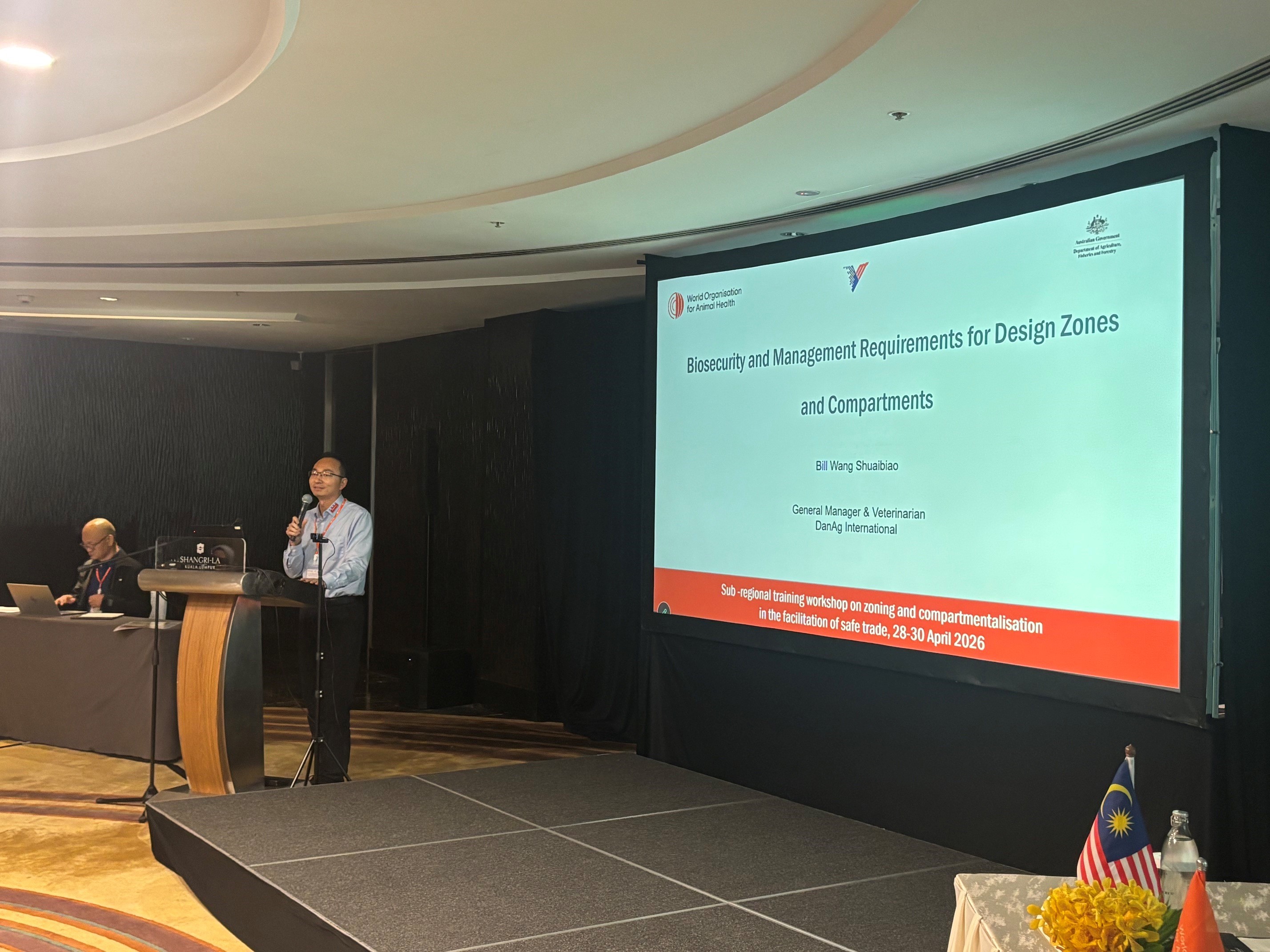
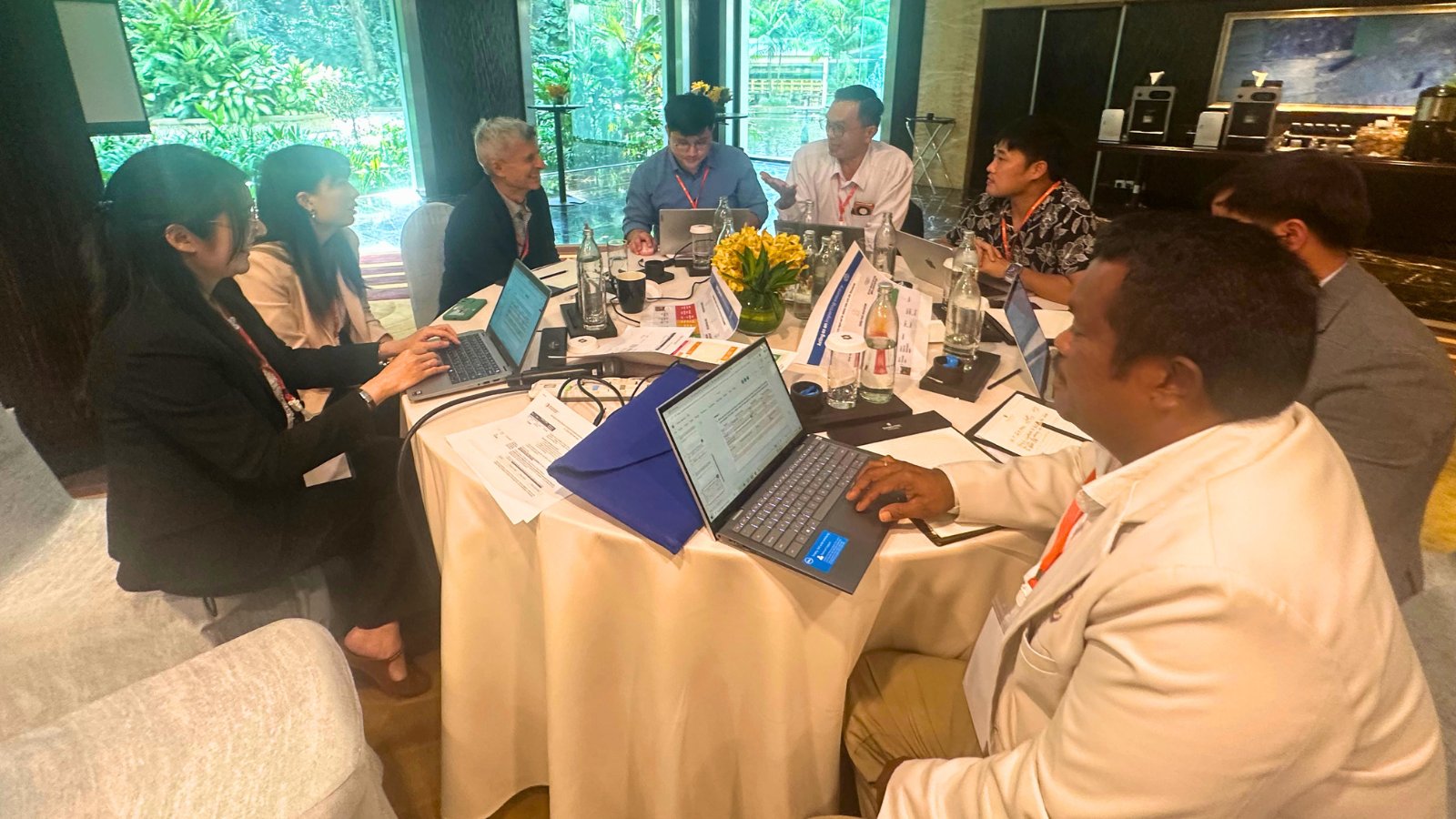
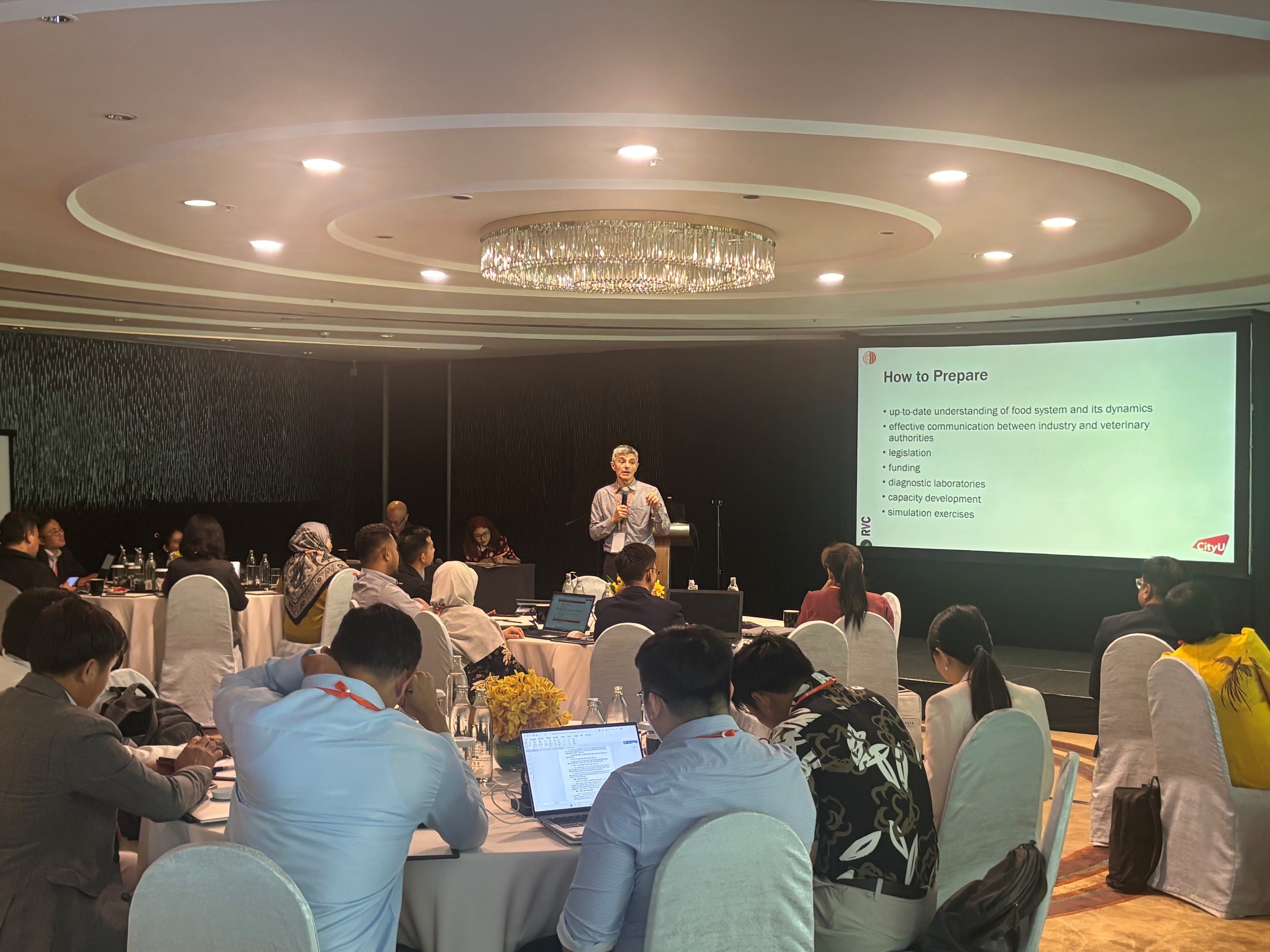
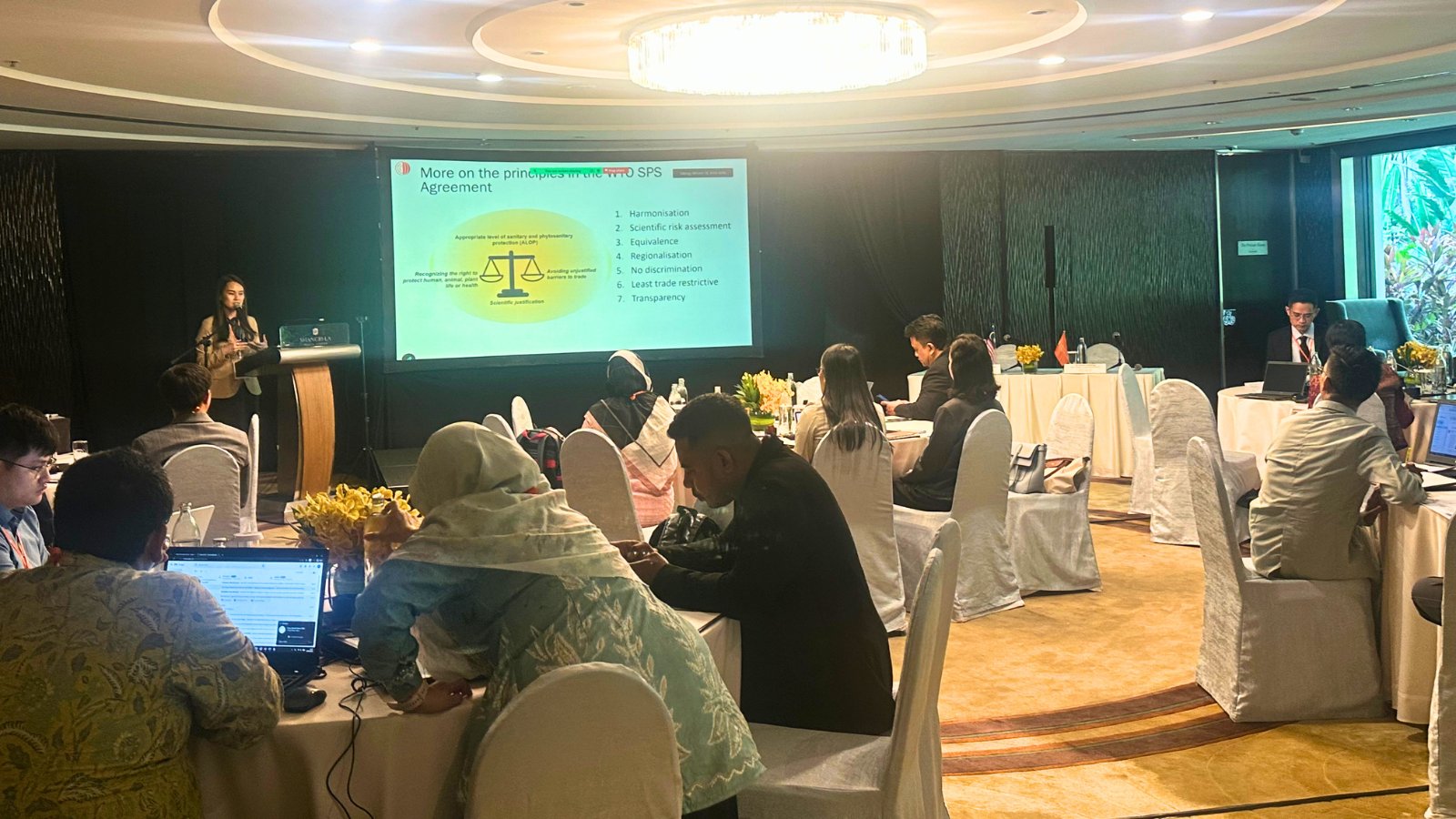
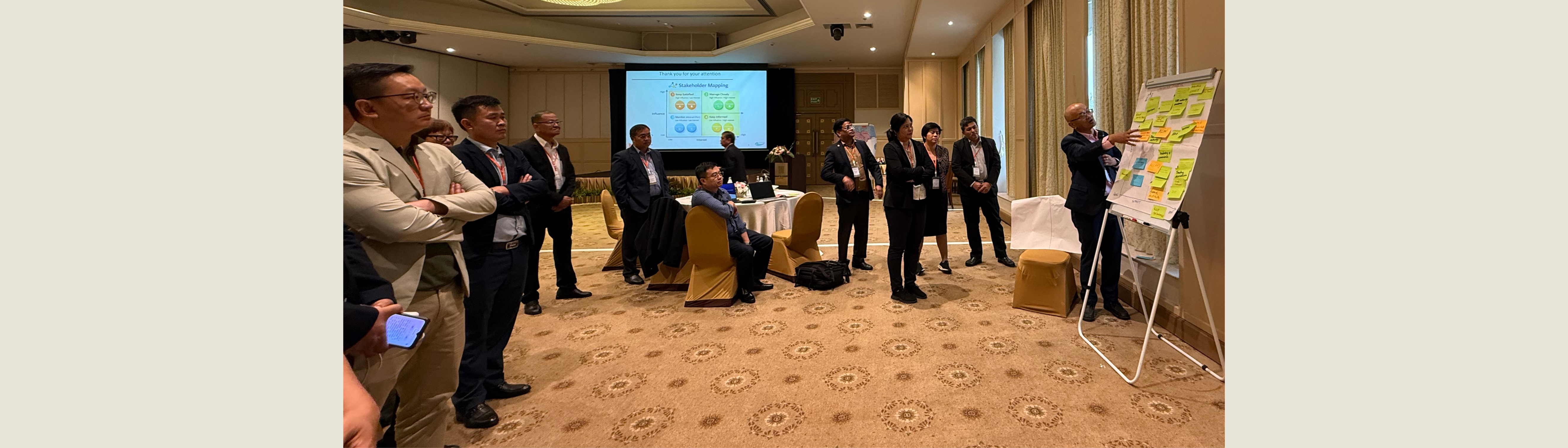
The workshop consisted of a blend of presentations, sharing experiences and group exercises based on fictitious scenarios involving priority regional diseases. In this way, participants can apply a regional or country context to assess an appropriate zoning or compartmentalisation strategy.
Dates: 28-30 April 2026
Venue: Kuala Lumpur, Malaysia
Participation: By invitation
Presentations and recommendations: (See below)