
Consultation Series
Developing an AMR communication strategy for Mongolia
April 30, 2025
Read more
Antimicrobial resistance (AMR) is a critical global health and development challenge driven by the misuse and overuse of antimicrobials in humans, animals, and agriculture. Addressing AMR requires coordinated action across sectors and a One Health approach that combines surveillance, governance, awareness, and behavioural change.
In response, the World Organisation for Animal Health (WOAH) has led global efforts to strengthen antimicrobial use (AMU) monitoring in animals, following the adoption of key resolutions in 2015 and 2016 and the launch of its Strategy on AMR and the Prudent Use of Antimicrobials. Central to this effort is the ANIMUSE Global Database, launched in 2022, which enables Members to report and analyse national AMU data. Capacity-building activities, including regional trainings and webinars, have supported Members in improving data collection and use.
Mongolia actively reported AMU data in earlier reporting rounds; renewed engagement with the General Authority of Veterinary Services (GAVS) was necessary to re-establish sustainable reporting.
At the national level, Mongolia has demonstrated strong commitment to tackling AMR through successive Multi-Sectoral National Action Plans and coordinated governance mechanisms. To reinforce these efforts, national authorities and partners have jointly developed Mongolia’s AMR Communication Strategy (2026–2030) to promote consistent messaging, awareness, and behavioural change across sectors.
Within this context, a series of complementary activities were implemented to strengthen AMU surveillance, improve understanding of AMR and related regulations, and promote responsible antimicrobial use among both current and future stakeholders. These included:
These activities aimed to strengthen Mongolia’s response to antimicrobial resistance by combining technical capacity-building, policy and regulatory engagement, strategic communication, and awareness-raising among both current stakeholders and future veterinary professionals.
The objectives were to:
Together, these objectives supported improved antimicrobial use monitoring, coordinated implementation of national strategies, and the promotion of responsible practices within a One Health framework.
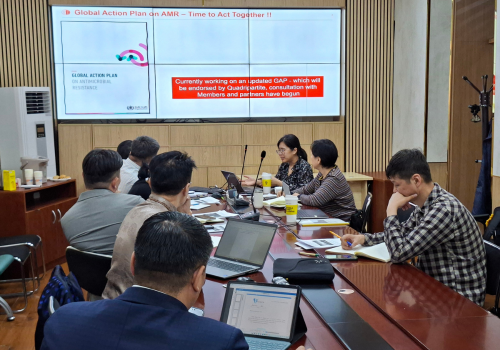
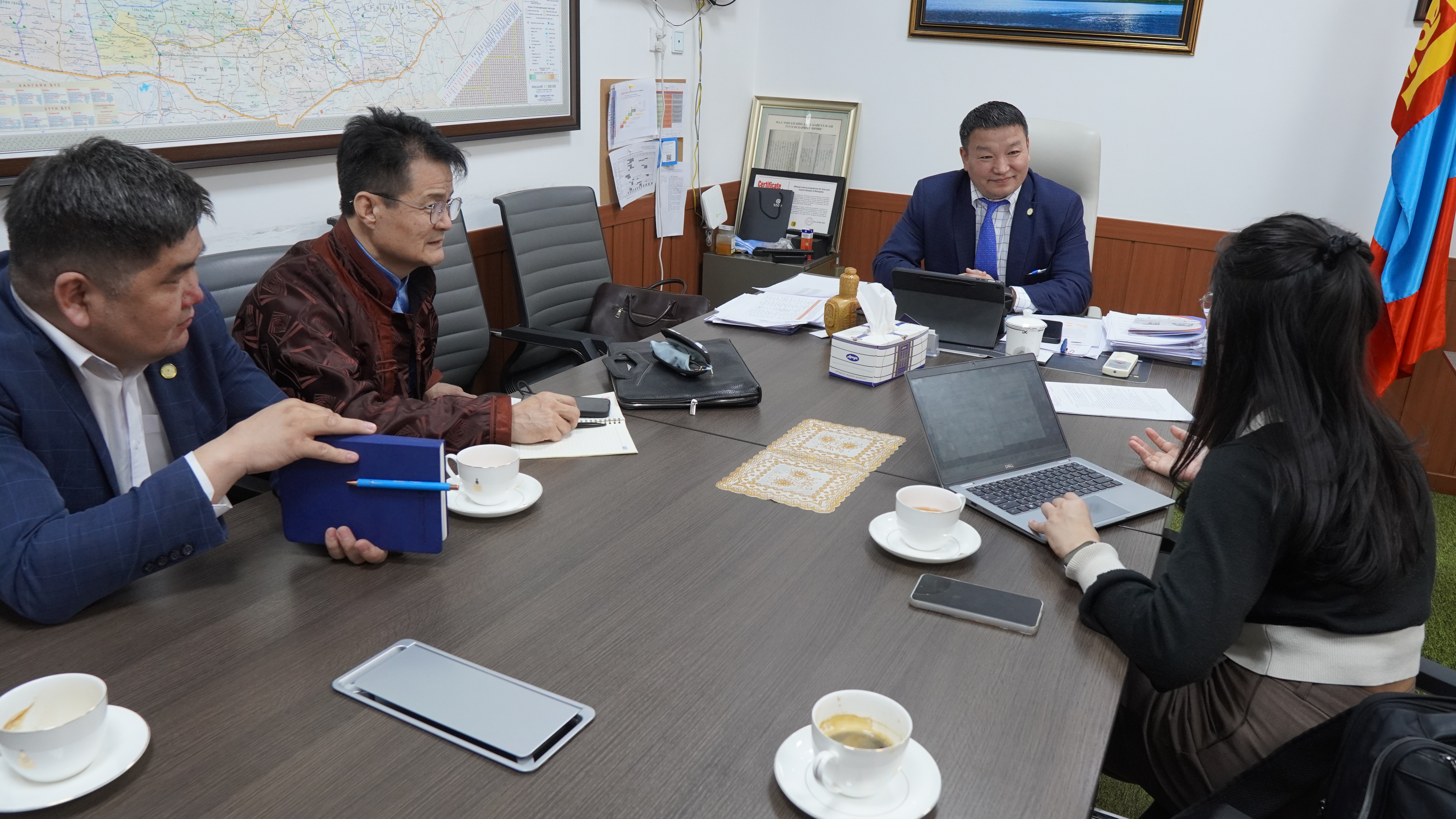
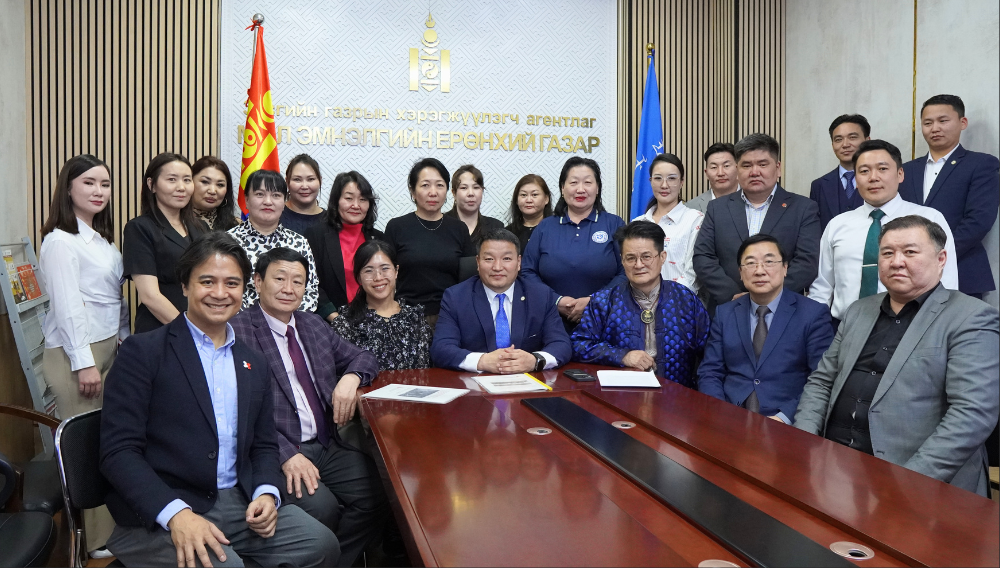
Consulting with staff of Mongolia’s GAVS in Ulaanbaatar on the benefits and process of antimicrobial use (AMU) data submission to WOAH.
WOAH engaged with Mongolia’s General Authority for Veterinary Services (GAVS) in Ulaanbaatar through a dedicated consultation meeting focused on antimicrobial use (AMU) data submission on 8 April 2026. The discussions brought together technical experts to address key institutional and operational challenges affecting data collection, validation, and reporting, while reintroducing the ANIMUSE global reporting system and reinforcing coordination between WOAH and national counterparts.
The meeting combined technical presentations with in-depth exchanges, enabling GAVS to share recent AMU data and receive hands-on guidance for submission through the ANIMUSE platform. This collaborative process resulted in the successful completion and validation of Mongolia’s 2024 AMU data, strengthening national capacity and reaffirming commitment to regular reporting, while supporting evidence-based decision-making on antimicrobial resistance.
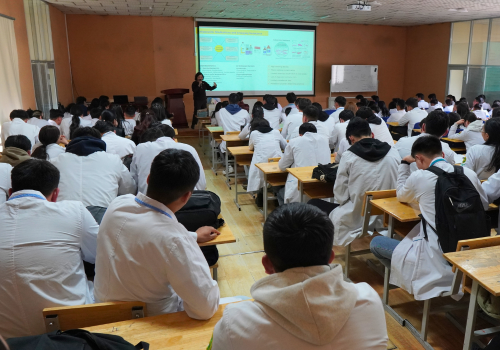
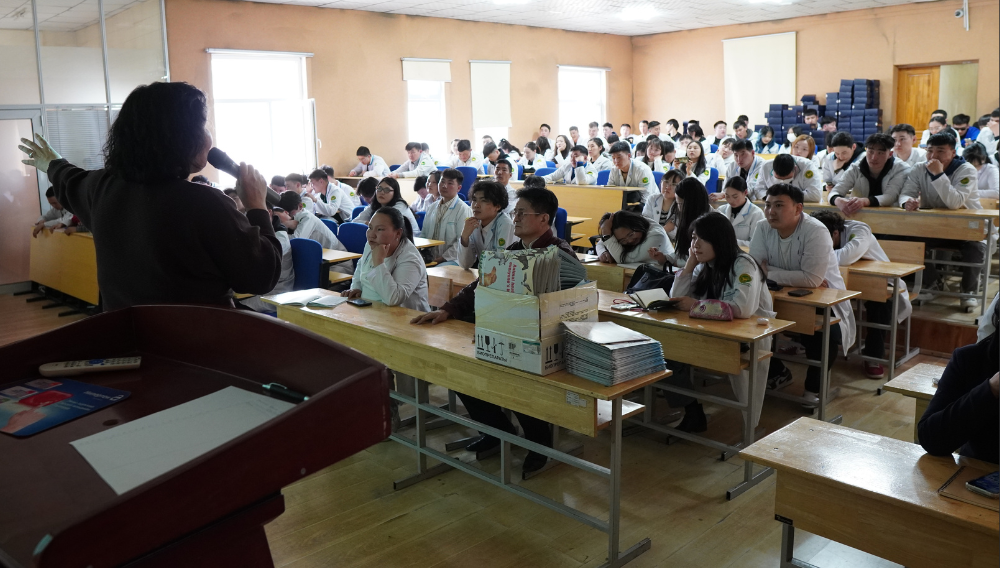
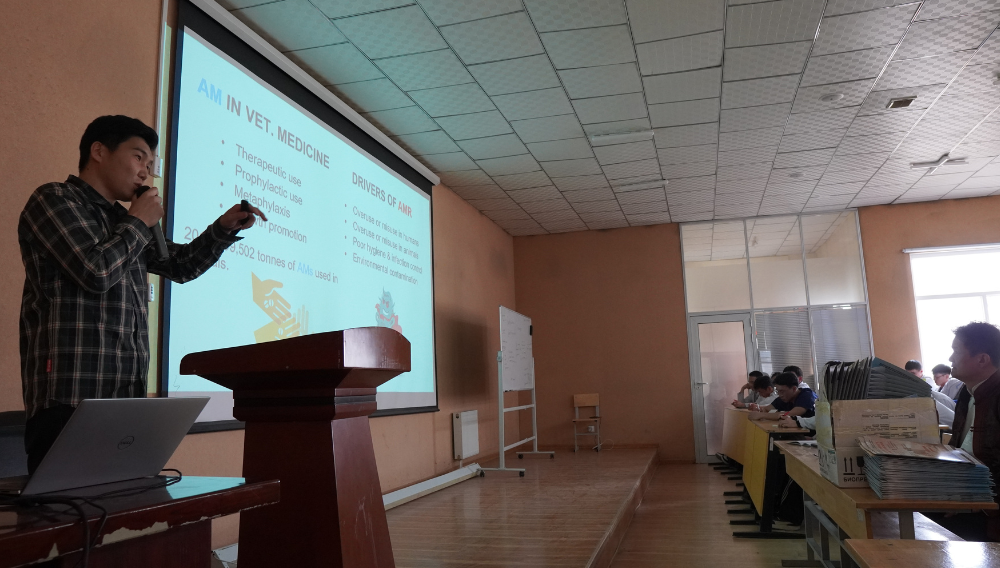
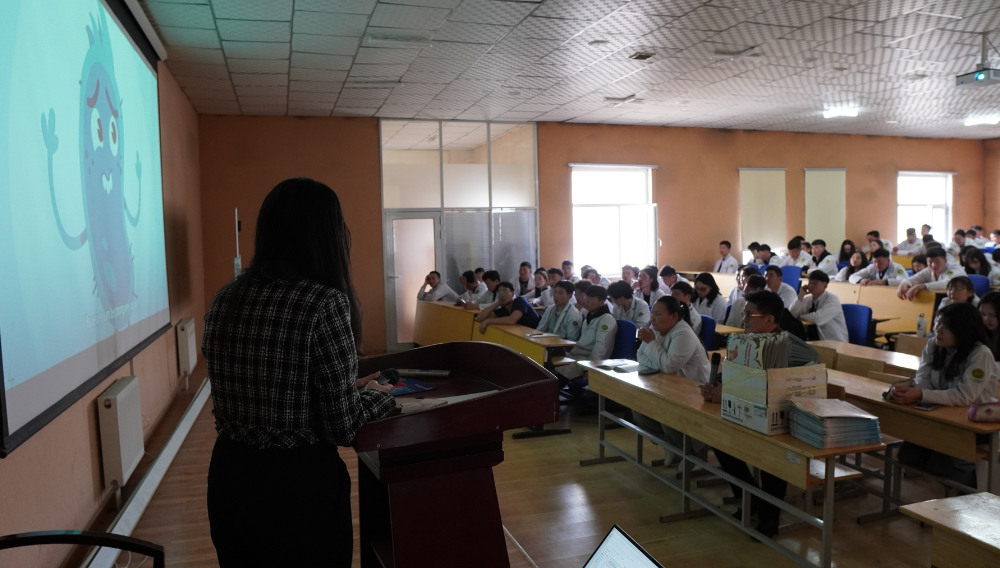
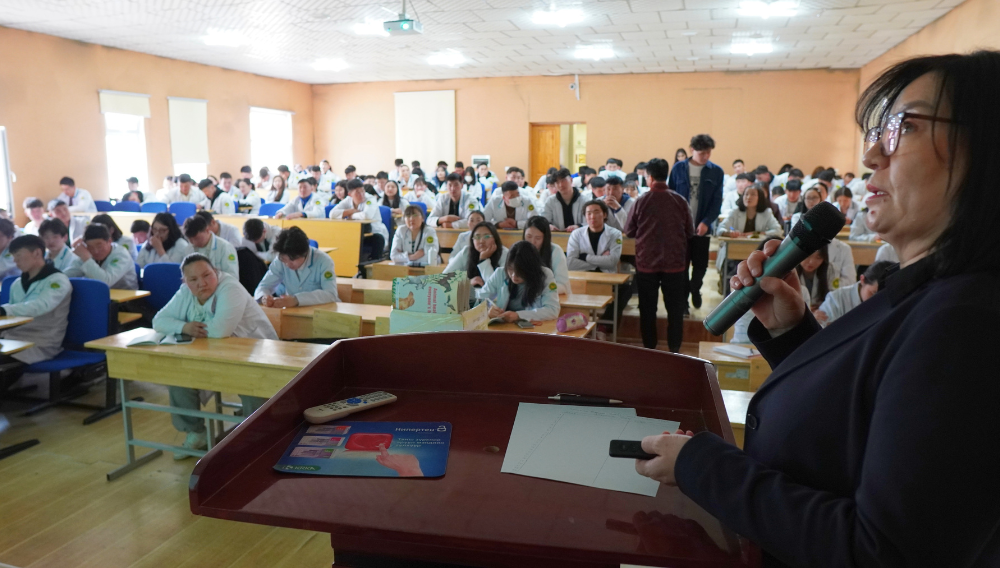
IVM expert presenting at the seminar for veterinary students at MULS-SVM to strengthen understanding of AMR and AMU.
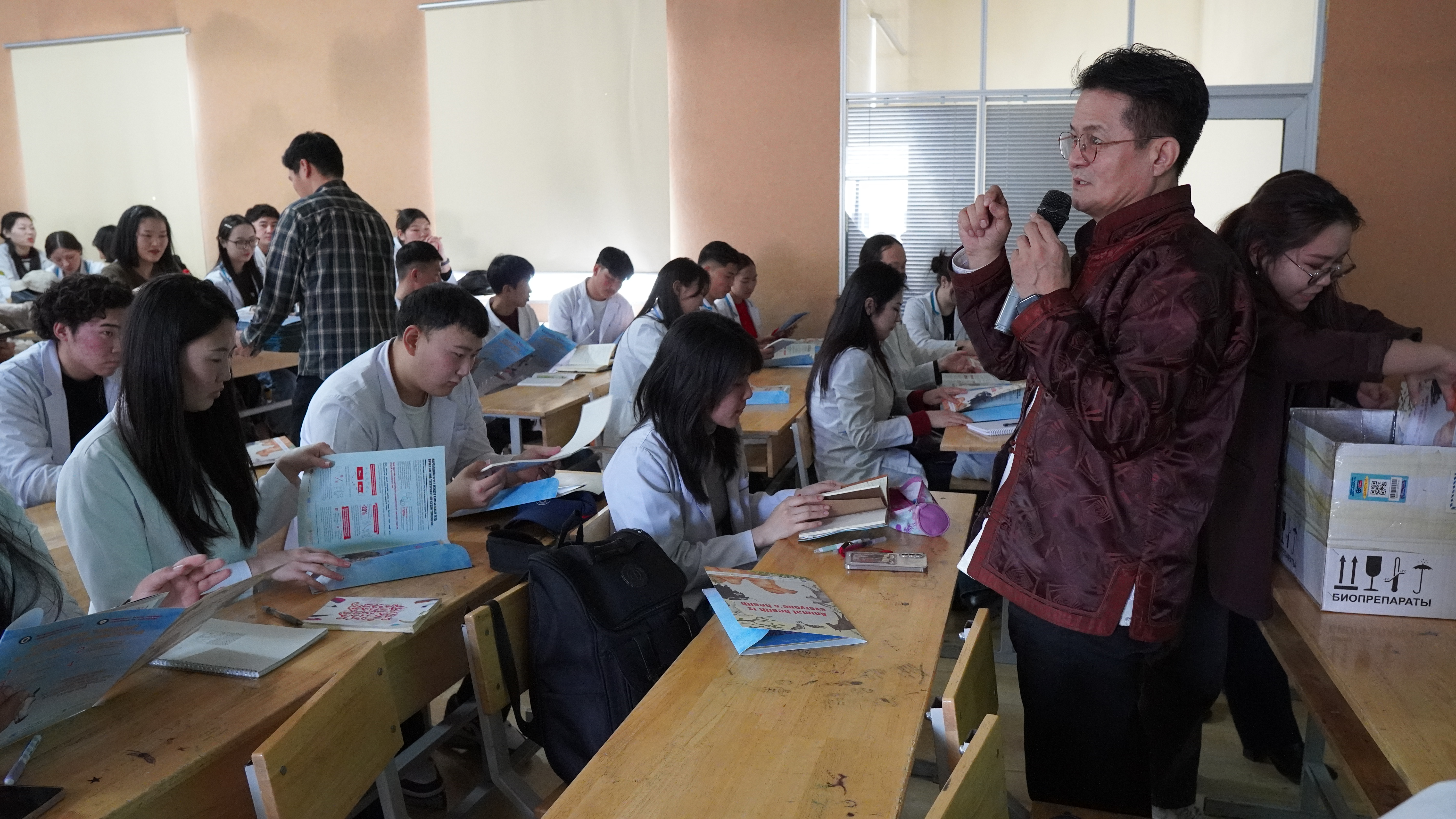
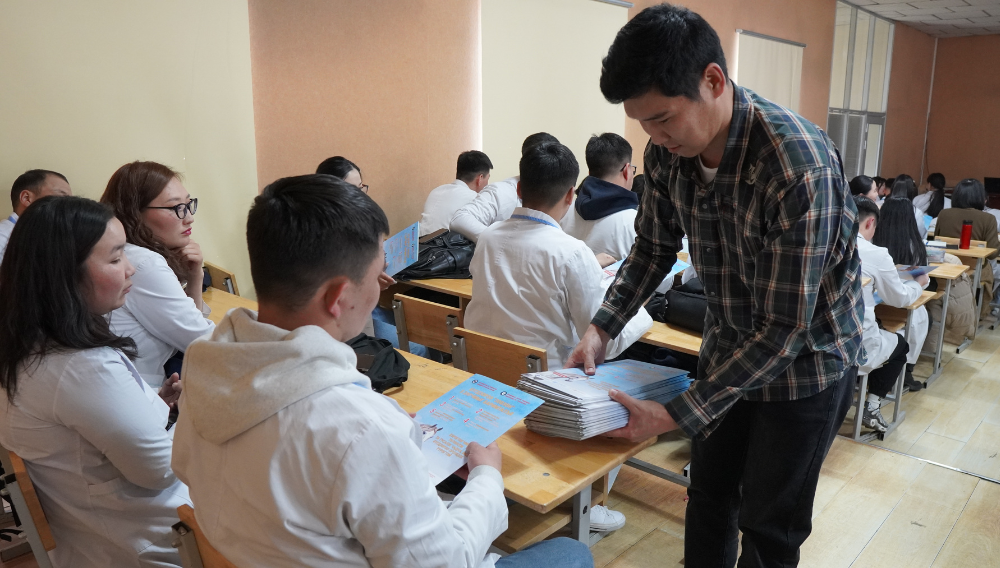
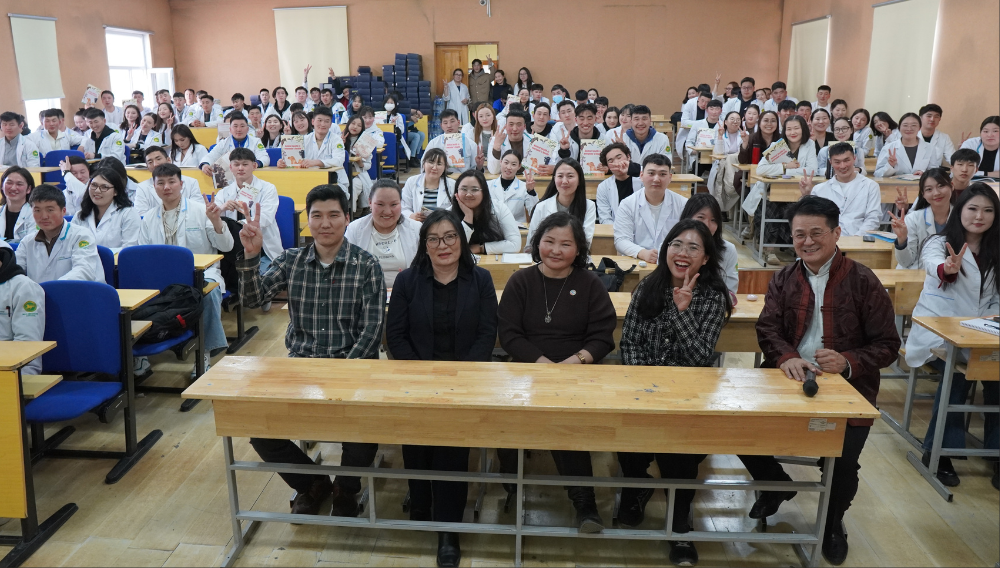
On 9 April 2026, WOAH, in collaboration with the General Authority for Veterinary Services (GAVS) and the Institute of Veterinary Medicine (IVM), delivered a seminar for veterinary students at the Mongolian University of Life Sciences (MULS) School of Veterinary Medicine (SVM) under the theme “Spread Awareness, Stop Resistance.” The event aimed to strengthen students’ understanding of antimicrobial resistance (AMR), promote responsible antimicrobial use, and empower future veterinarians to play an active role in One Health efforts to combat AMR.
Bringing together around 150 students, the seminar featured expert presentations on the global AMR situation, One Health approaches, and responsible veterinary practices, complemented by interactive lectures and a knowledge quiz. The session fostered engagement and practical learning, encouraging participants to apply responsible antimicrobial use in their future professional roles and contribute to national and global AMR mitigation efforts.
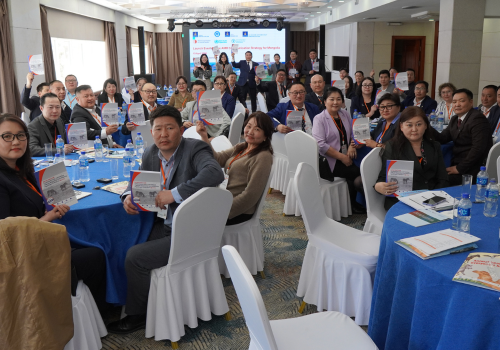
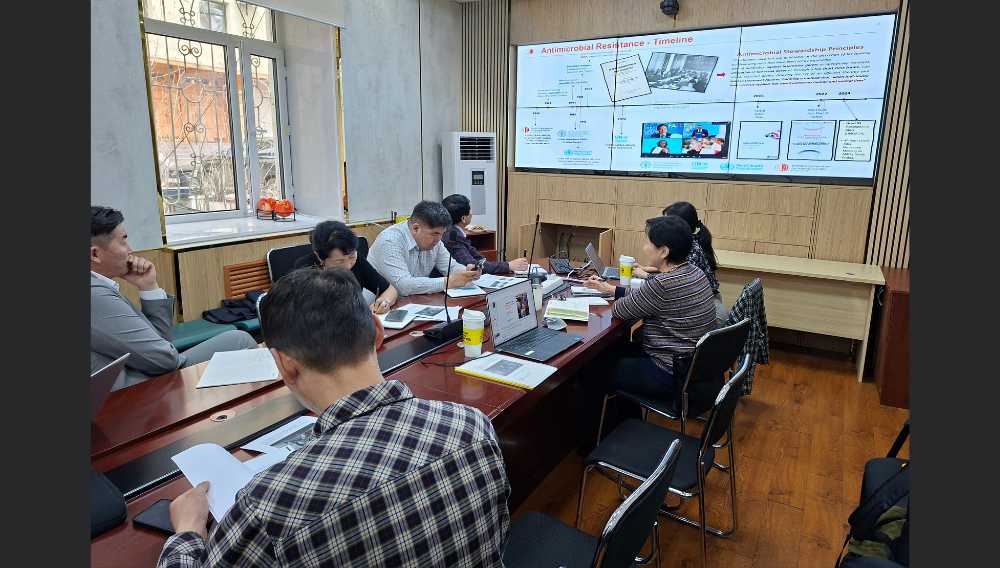
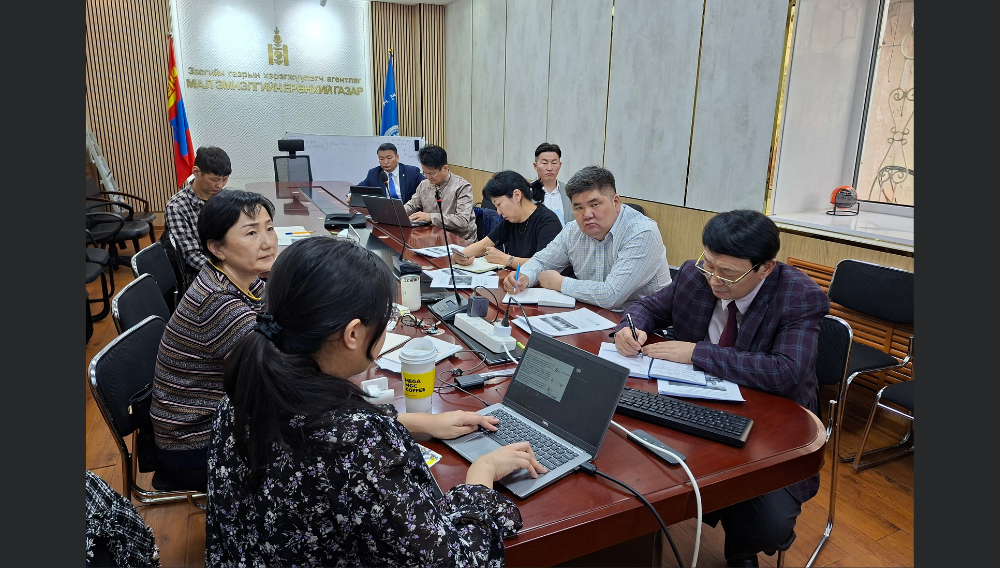
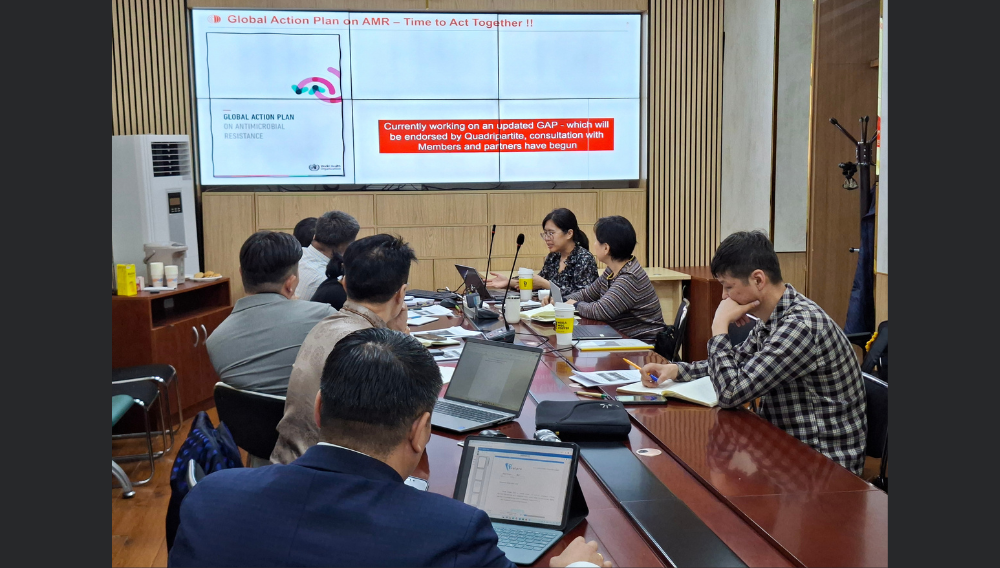
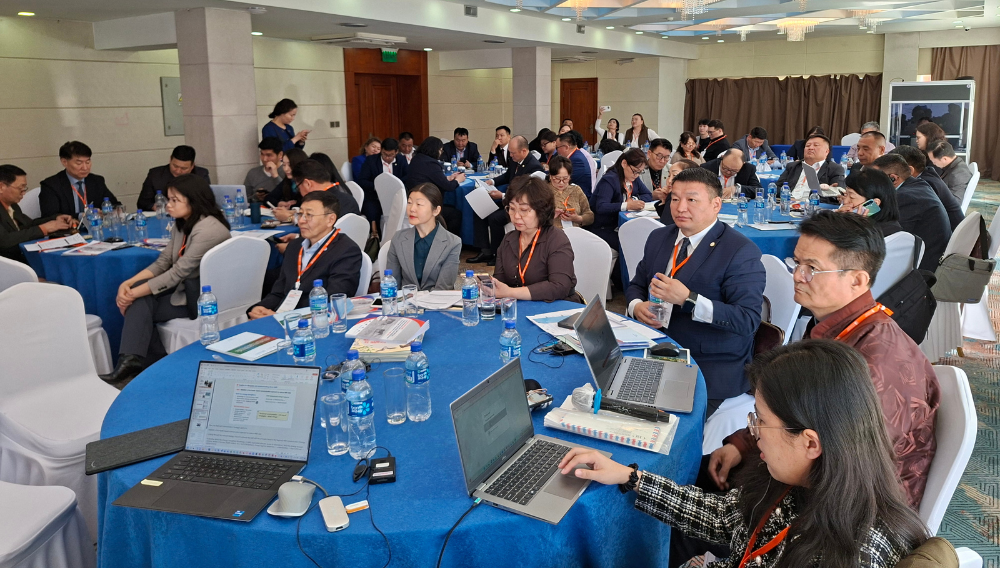
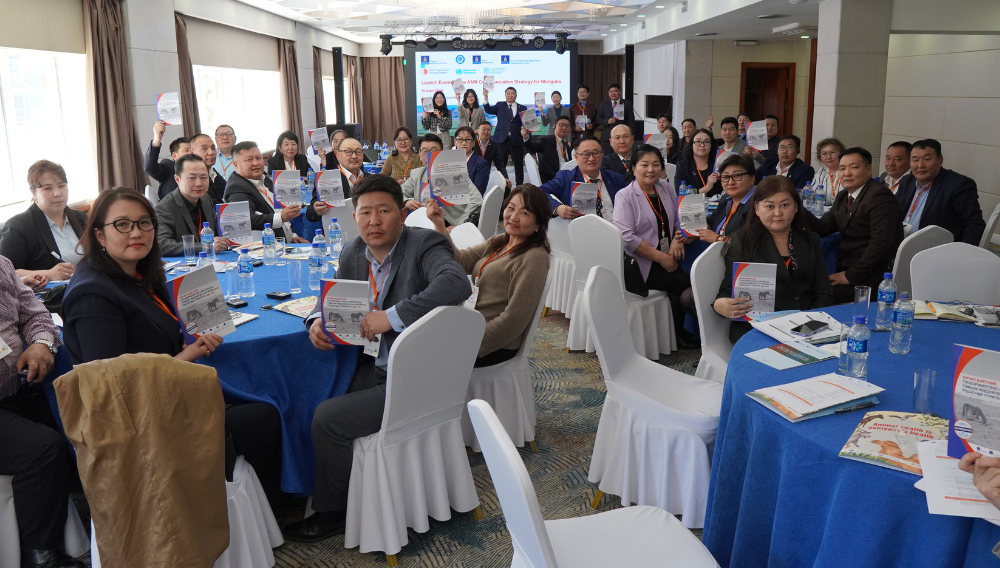
Participants at the launch event of the Mongolia National AMR Communication Strategy.
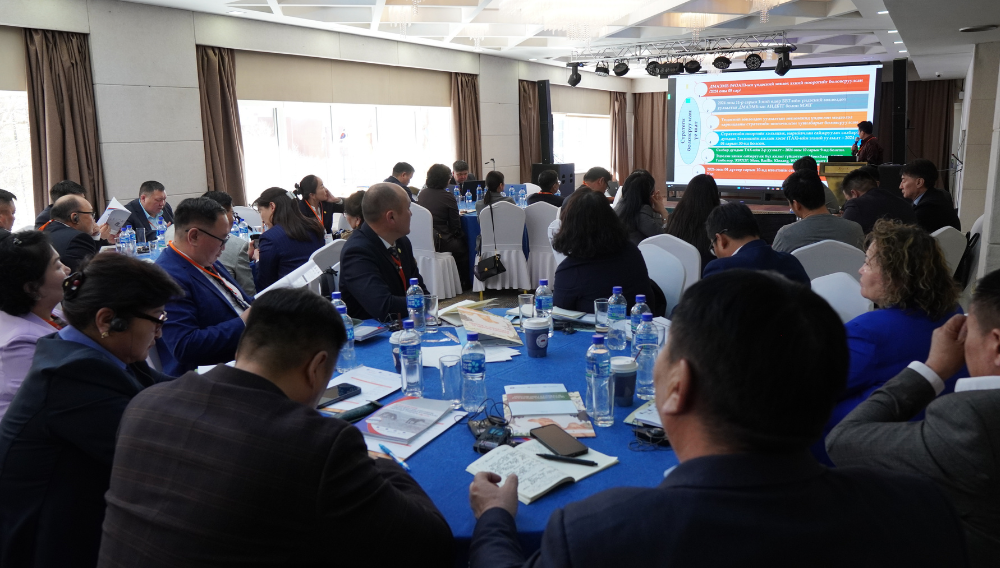
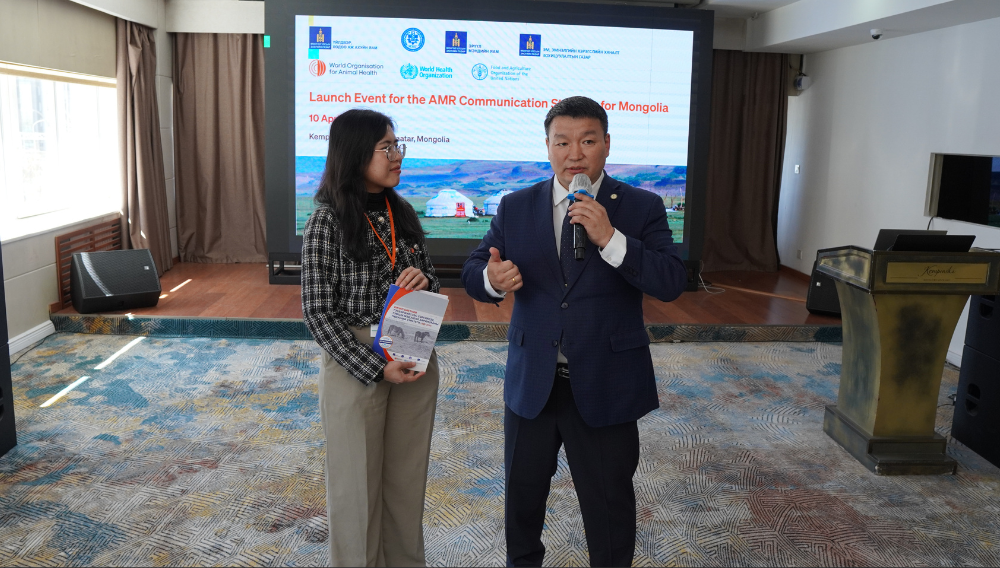
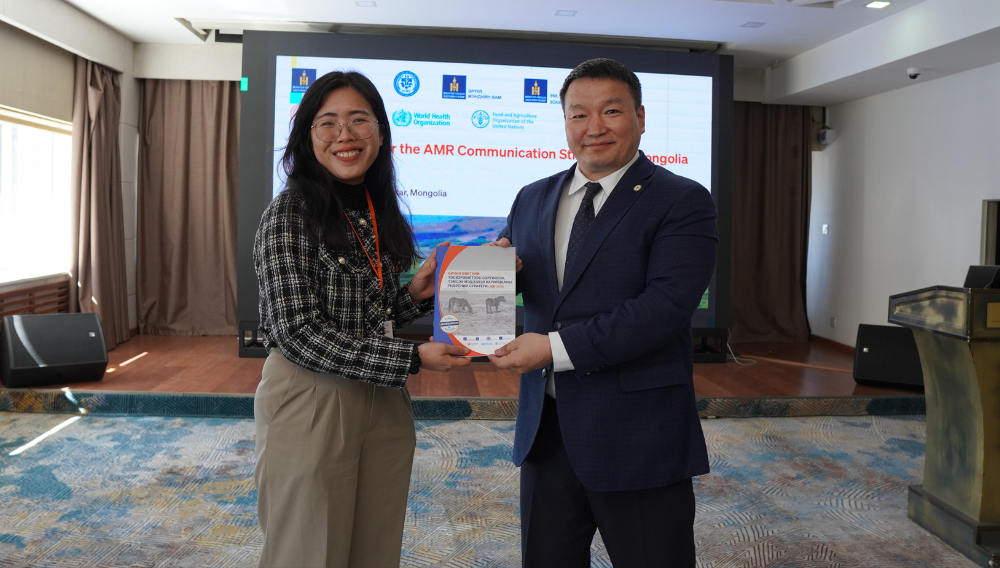
In collaboration with national and international partners, on 10 April 2026, WOAH supported the official launch of Mongolia’s AMR Communication Strategy (2026–2030) (Mongolian, English) in Ulaanbaatar. The event brought together around 60 stakeholders from government, academia, private sector and international organizations to strengthen a coordinated, One Health response to antimicrobial resistance. The strategy provides a national roadmap to raise awareness, promote behavioural change, and ensure consistent messaging on antimicrobial use across sectors.
Through a series of technical presentations and discussions, participants reviewed the AMR situation in Mongolia, shared sector-specific insights, and explored roles and responsibilities for implementing the strategy. The event fostered strong multisectoral engagement and collaboration, reinforcing national commitment to responsible antimicrobial use and supporting the effective roll-out of the strategy in the years ahead.
Together, the three-day mission demonstrated a comprehensive and coordinated approach to tackling antimicrobial resistance in Mongolia, from strengthening technical capacity for AMU data reporting with government counterparts to raising awareness and building advocacy among future veterinarians, culminating in the launch of a national communication strategy bringing stakeholders across sectors together. These combined efforts reinforced Mongolia’s commitment to a One Health approach and laid a solid foundation for sustained collaboration, evidence-based decision-making, and effective AMR mitigation nationwide.
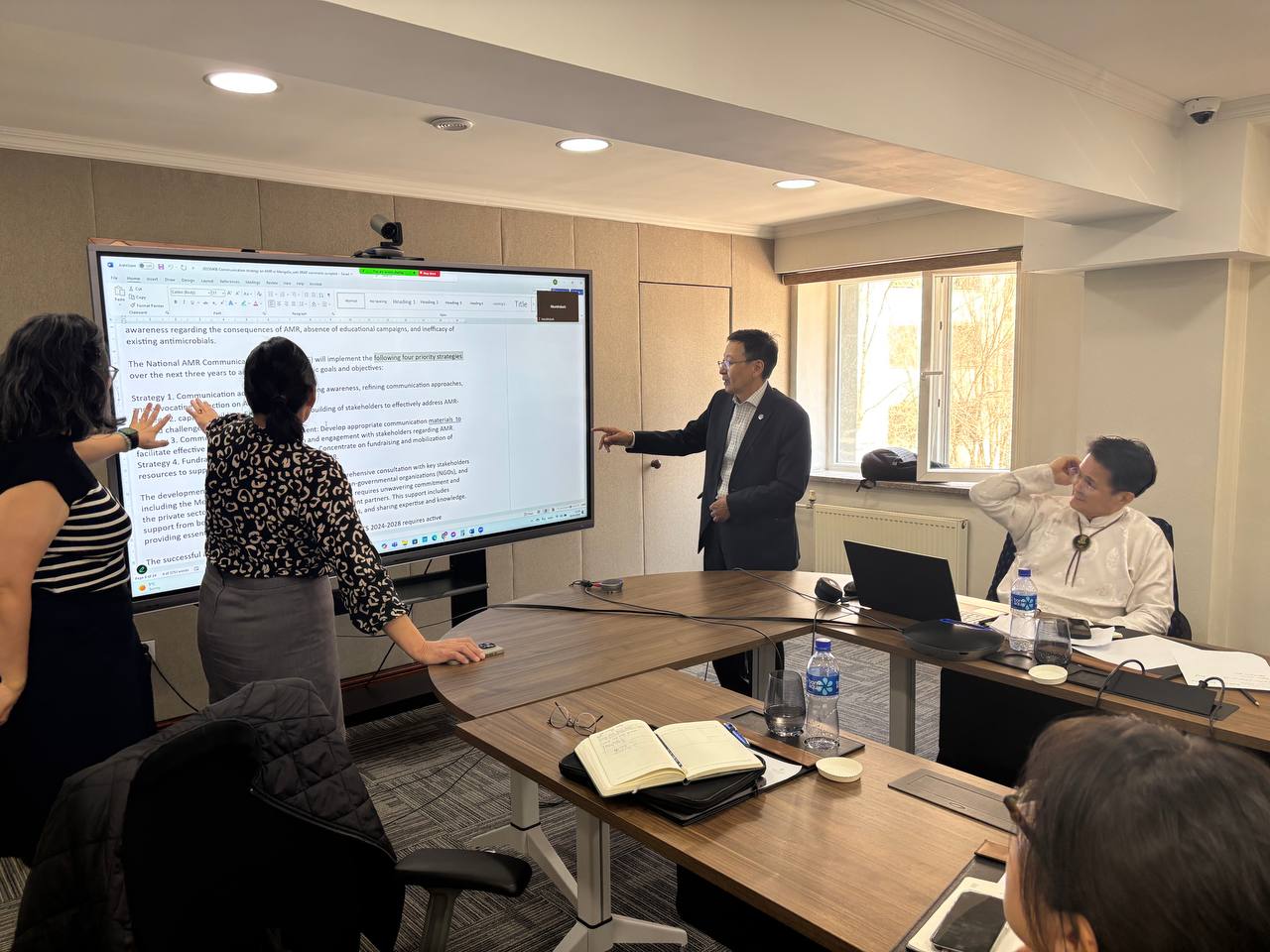
(7 April 2026) Meeting with Mongolia’s then-acting CVO Dr B. Basan and GAVS staff in advance of the larger meeting on the benefits and process of antimicrobial use (AMU) data submission.
(8 April 2026) Meeting with Mongolia’s GAVS on the benefits and process of antimicrobial use (AMU) data submission.
(8 April 2026) Meeting with Mongolia’s GAVS on the benefits and process of antimicrobial use (AMU) data submission.
(8 April 2026) Meeting with Mongolia’s GAVS on the benefits and process of antimicrobial use (AMU) data submission.
(8 April 2026) Group photo from the meeting with Mongolia’s GAVS on the benefits and process of antimicrobial use (AMU) data submission.
(9 April 2026) Dr M. Zolzaya (IVM) presenting at the seminar for veterinary students at SVM to strengthen understanding of antimicrobial resistance (AMR) and promote responsible antimicrobial use.
(9 April 2026) Dr E. Purev (IVM) speaking at the seminar for veterinary students to strengthen understanding of antimicrobial resistance (AMR) and promote responsible antimicrobial use.
(9 April 2026) WOAH National Consultant Dr B. Sodnom addressing students at the seminar at MULS-SVM to strengthen understanding of AMR and AMU.
(9 April 2026) Dr P. Suwanthada, WOAH Regional AMR Project Officer, presenting at the seminar for veterinary students to strengthen understanding of antimicrobial resistance (AMR) and promote responsible antimicrobial use.
(9 April 2026) Dr S. Lkhagvatseren (IVM) presenting to students at the seminar at MULS-SVM to strengthen understanding of AMR and AMU.
(9 April 2026) Dr Purev (IVM) handing out materials at the seminar for veterinary students on AMR and AMU.
(9 April 2026) Group photo of participants and organisers at the seminar for veterinary students on AMR.
(10 April 2026) Participants at the launch event for the Mongolia National AMR Communication Strategy.
(10 April 2026) Participants at the launch event of the Mongolia National AMR Communication Strategy, displaying the document.
(10 April 2026) Participants at the launch event for the Mongolia National AMR Communication Strategy.
(10 April 2026) Dr Basan (GAVS) and Dr Suwanthada (WOAH) offer remarks at the launch event of the Mongolia National AMR Communication Strategy.
(10 April 2026) Dr B. Batsukh (GAVS), and Dr Suwanthada (WOAH), present the Mongolia National AMR Communication Strategy.