
Assessing and Managing Health Risks in Wildlife Trade
March 26, 2024
Read more
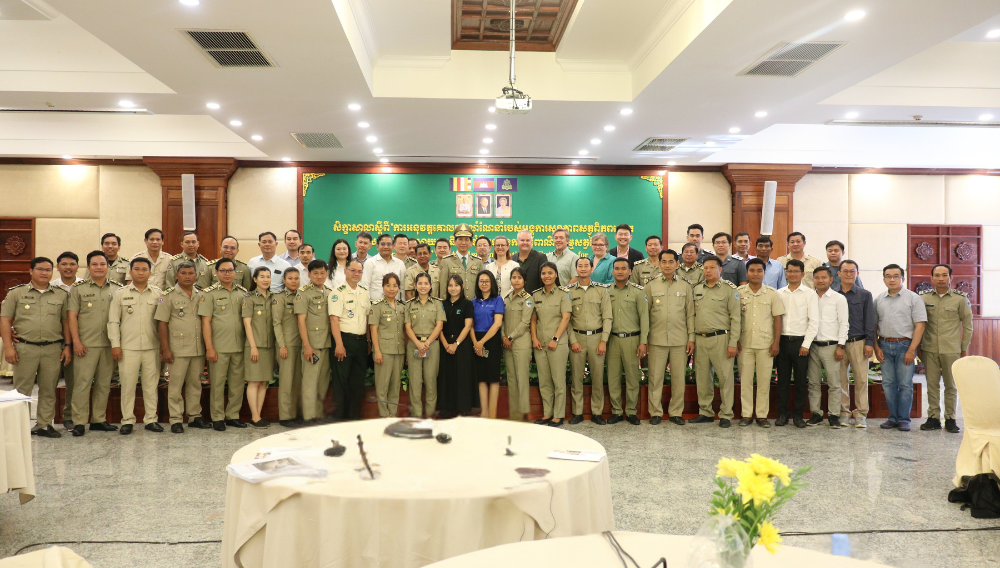
The World Organisation for Animal Health (WOAH) convened a national technical workshop in Cambodia to support the implementation of the Guidelines for Addressing Disease Risks in Wildlife Trade (2024). The workshop brought together representatives from animal health, forestry, wildlife management, public health, research institutions and enforcement agencies to apply a structured Wildlife Disease Risk Analysis (WDRA) process to selected wildlife trade supply chains of national relevance.
Using a One Health framework, participants mapped wildlife trade pathways, identified infectious and non-infectious hazards, conducted semi-quantitative risk assessments, and developed risk management options based on the hierarchy of controls. The workshop emphasised practical application within existing national mandates and regulatory systems.
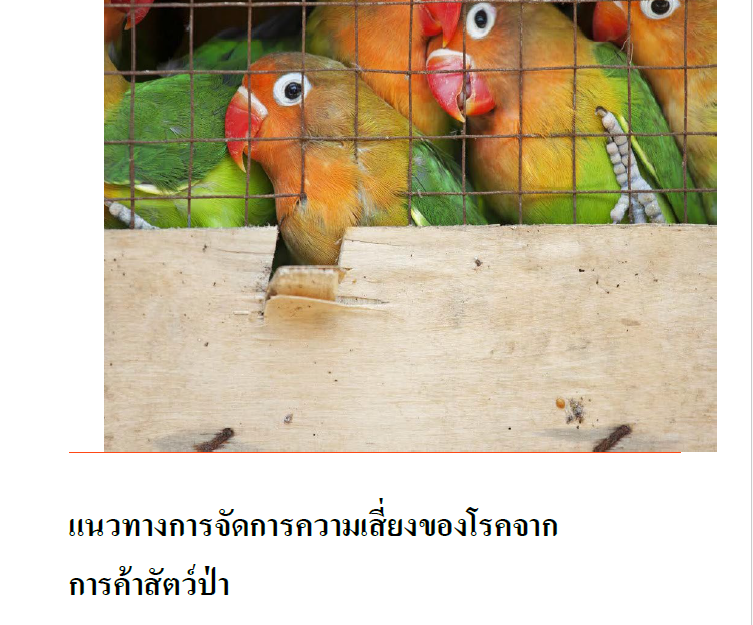
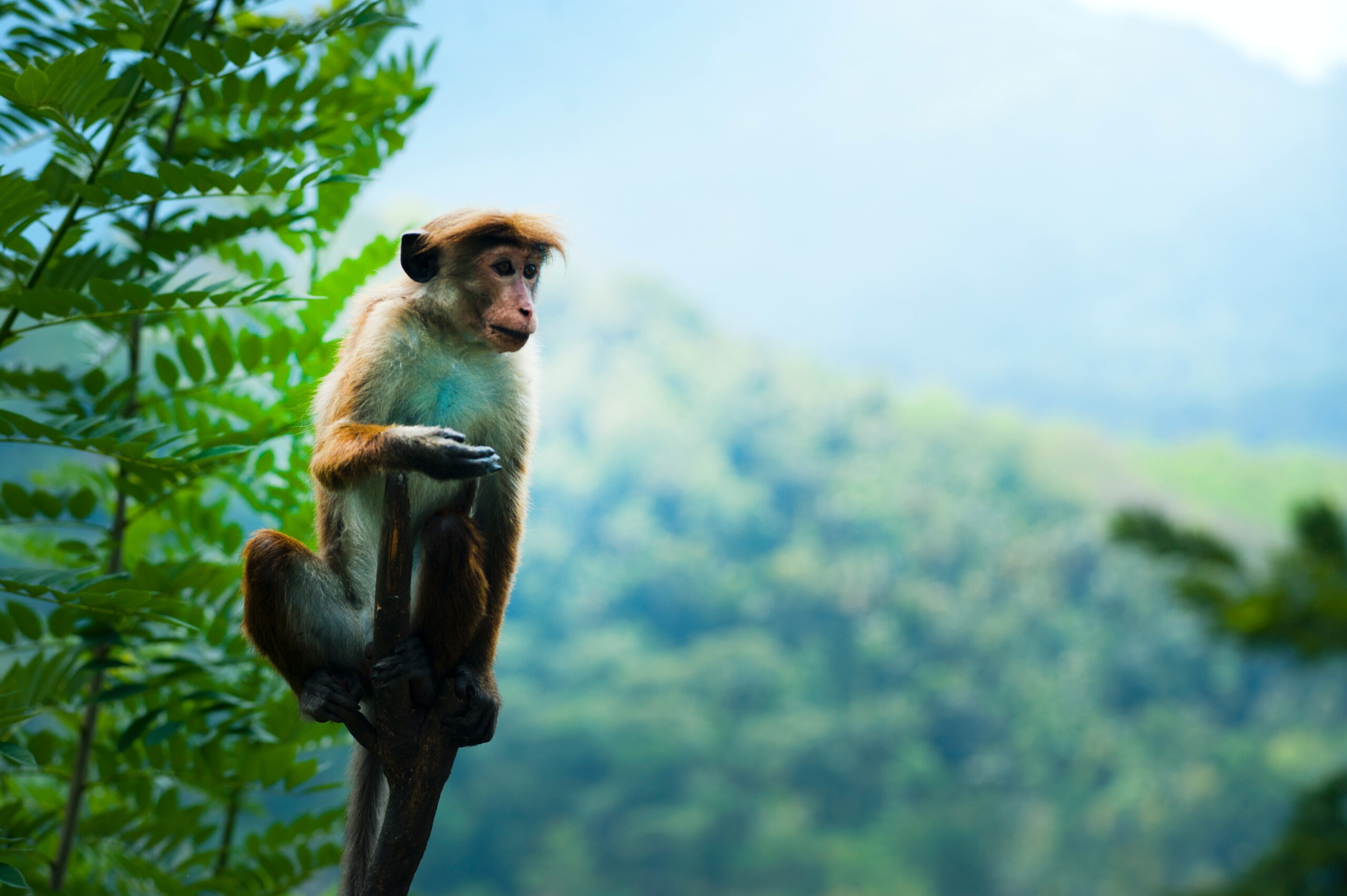
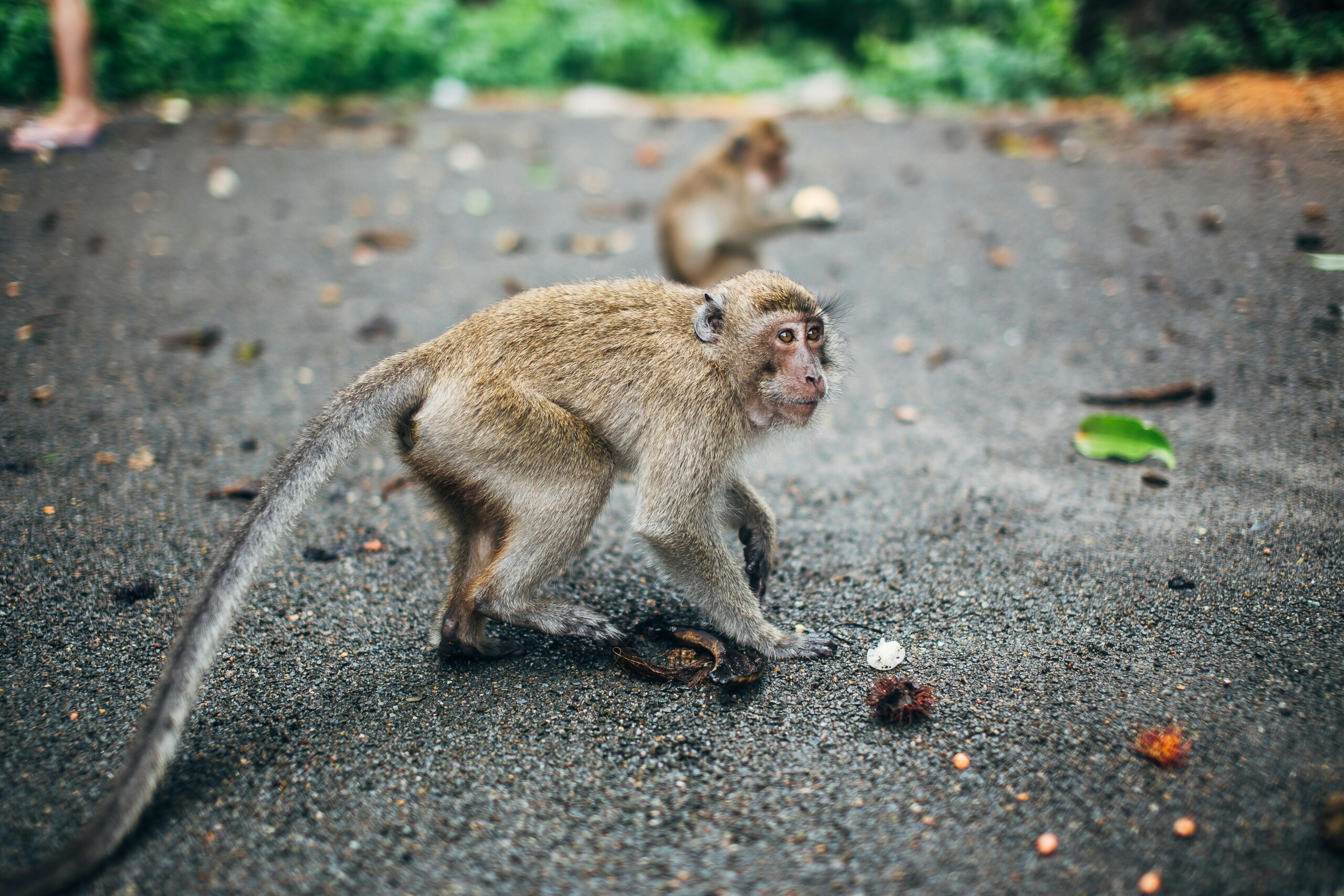
The exercise focused on priority trade systems identified by Cambodian authorities, including wild boar meat trade, macaque trade for biomedical research, bat guano trade, and elements of the pet/zoo-associated wildlife trade.
The increasing global risk of emerging infectious diseases linked to wildlife trade has reinforced the importance of structured, science-based risk analysis approaches. In response, WOAH developed the Guidelines for Addressing Disease Risks in Wildlife Trade to provide Members with tools to identify hazards, assess risk pathways, and design proportionate risk mitigation strategies.
Following pilot testing in Thailand, Cambodia was selected as a country-level implementation exercise to contextualise the Guidelines, assess their practical applicability in Southeast Asia, and strengthen national capacity in wildlife disease risk analysis.
The workshop builds on the principles outlined in the Guidelines and associated training materials, including the WDRA process and risk management framework
The workshop aimed to:
Dates: 2-5 February 2026
Venue: Siem Reap, Cambodia
Participation: By invitation
Agenda: WOAH guidelines for addressing disease risks in wildlife trade in Cambodia, Agenda, Feb 2026