
Disease
Bovine Tuberculosis
Read more
The WHO Global Tuberculosis Report of 2023 reported that in 2022, Tuberculosis (TB, Mycobacterium tuberculosis) was the second leading infectious human disease killer after COVID-19, and an estimated 1.3 million people died of the disease that year. Nearly 90% of all human TB cases are located in South Asia (India, Bangladesh, Pakistan), East Asia (China), Southeast Asia (Philippines, Indonesia) and the most populous countries in Africa (South Africa and Nigeria).
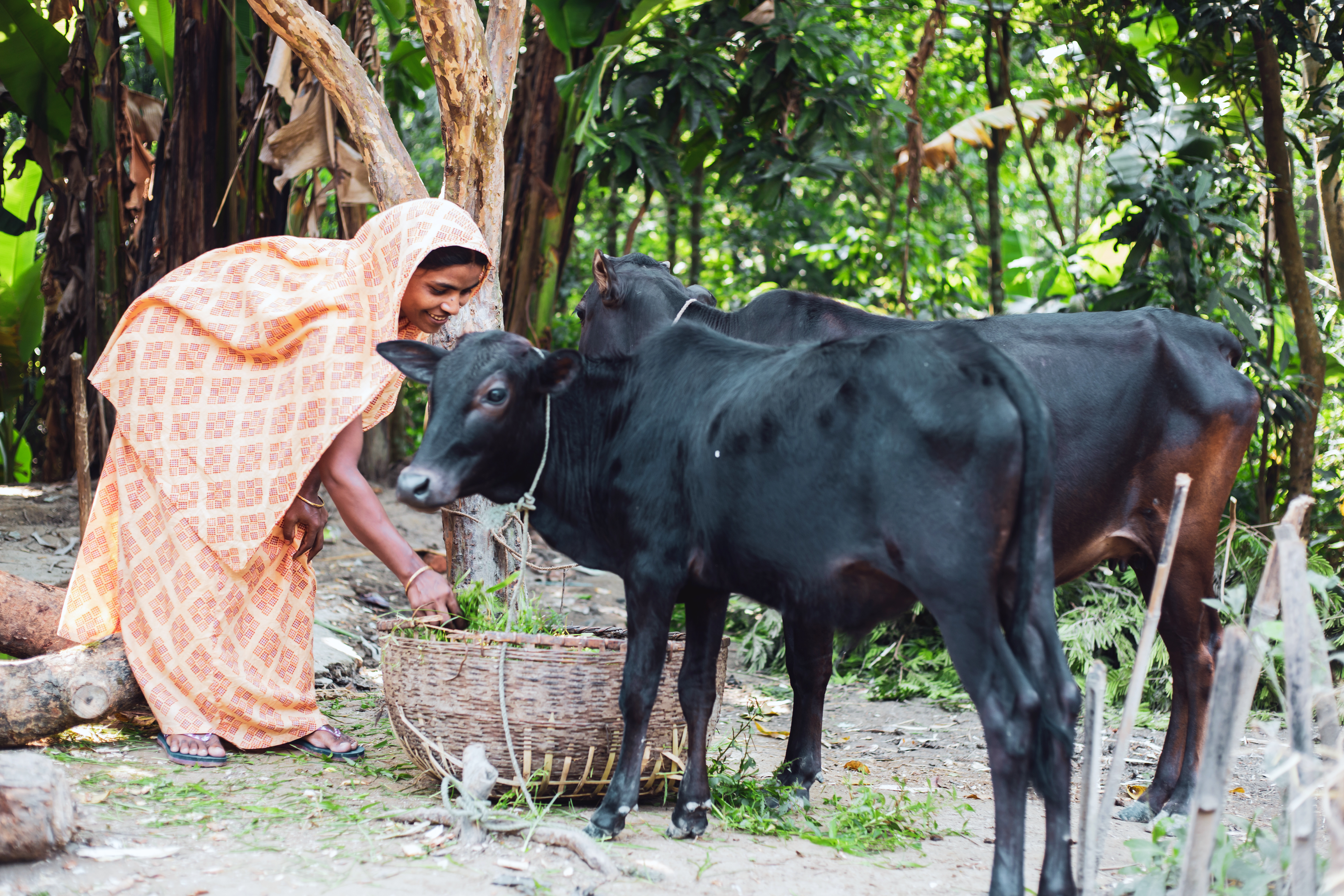
Bovine tuberculosis (bTB) is a chronic bacterial disease of animals caused by members of the Mycobacterium tuberculosis complex (MTBC) primarily by M. bovis, but also by M. caprae and to a lesser extent M. tuberculosis. It is a major zoonotic disease, and cattle are the main source of infection for humans. It also affects other domesticated animals such as sheep, goats, equines, pigs, dogs and cats, and wildlife species such as wild boars, deer and antelopes. Bovine tuberculosis remains a serious problem for animal and human health in many developing countries, with parts of Asia reporting high prevalence.
Zoonotic tuberculosis (zTB) is a form of tuberculosis that is transmitted from animals to humans, mainly through consumption of raw or undercooked animal products, contact with infected animals or their secretions, or inhalation of aerosols. Zoonotic TB is a form of TB in people predominantly caused by M. bovis, which belongs to the MTBC which includes several species that can infect humans and animals. zTB poses a serious threat to public health and animal health, especially in low- and middle-income countries where the disease is endemic and control measures are inadequate. zTB is often underdiagnosed and underreported, due to the lack of awareness, resources, and diagnostic tools. To support the Roadmap for Zoonotic Tuberculosis and as a call for action to tackle zTB in people and animals, WOAH has developed Guidelines for for the control of Mycobacterium tuberculosis complex in livestock. The objective of these guidelines is to provide alternative strategies for control of Mycobacterium tuberculosis complex infection in livestock.
At the September 2024 Workshop on Zoonotic Tuberculosis and Brucellosis Control in the Asia Pacific Region held in Qingdao, China P.R., countries voiced the need to enhance their laboratory diagnostic capacity for diagnosis of bTB/zTB to enhance surveillance and understand the true burden of zTB in livestock.
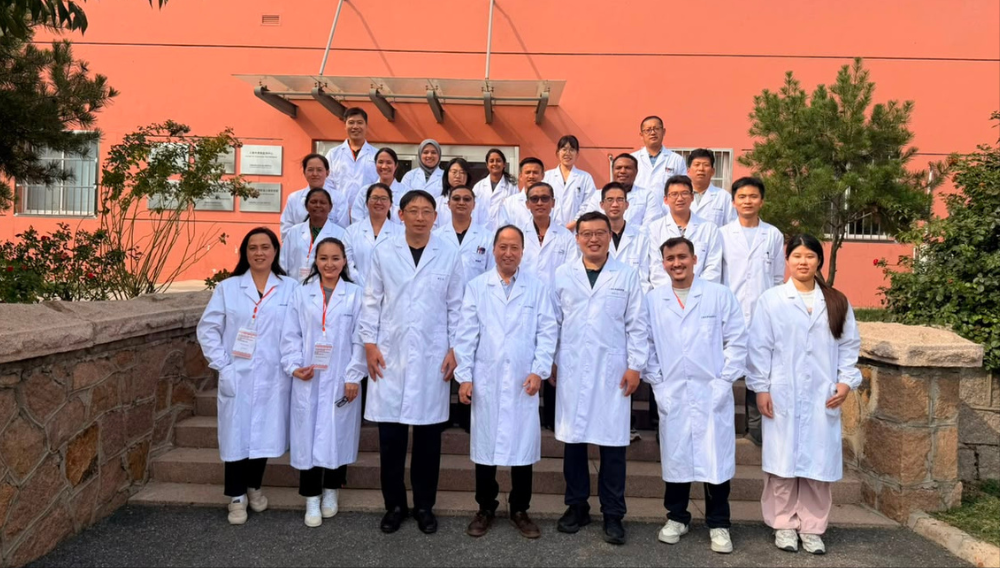
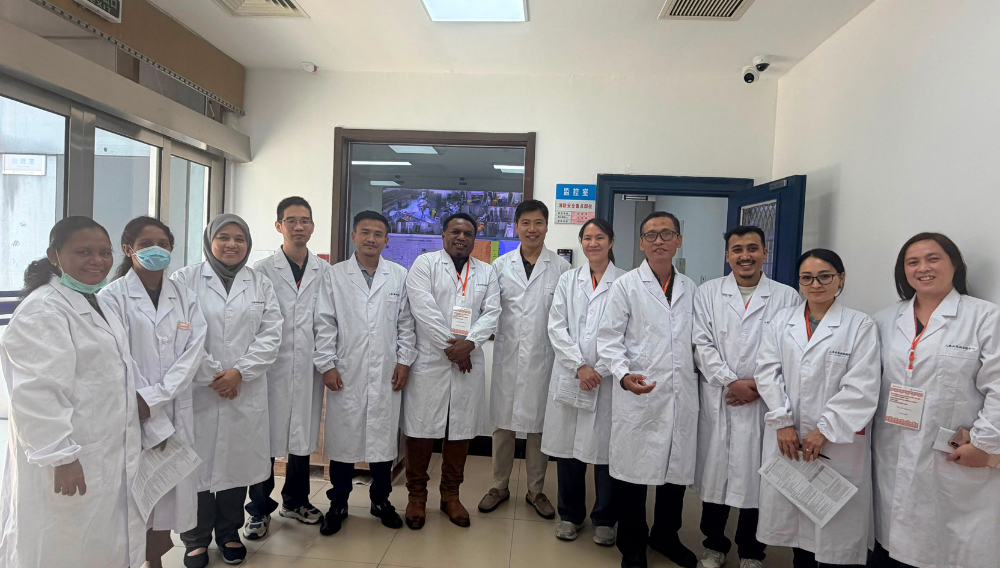
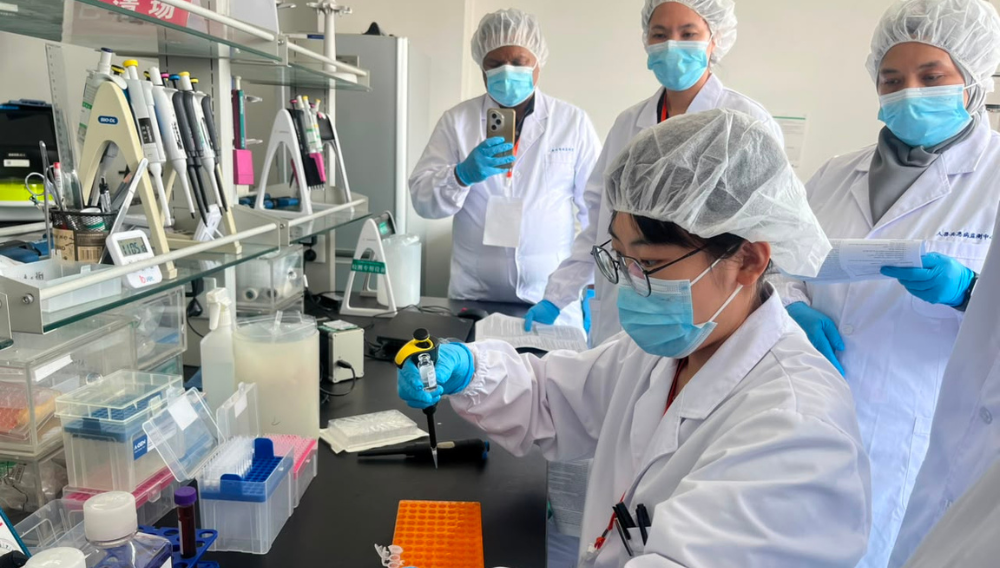
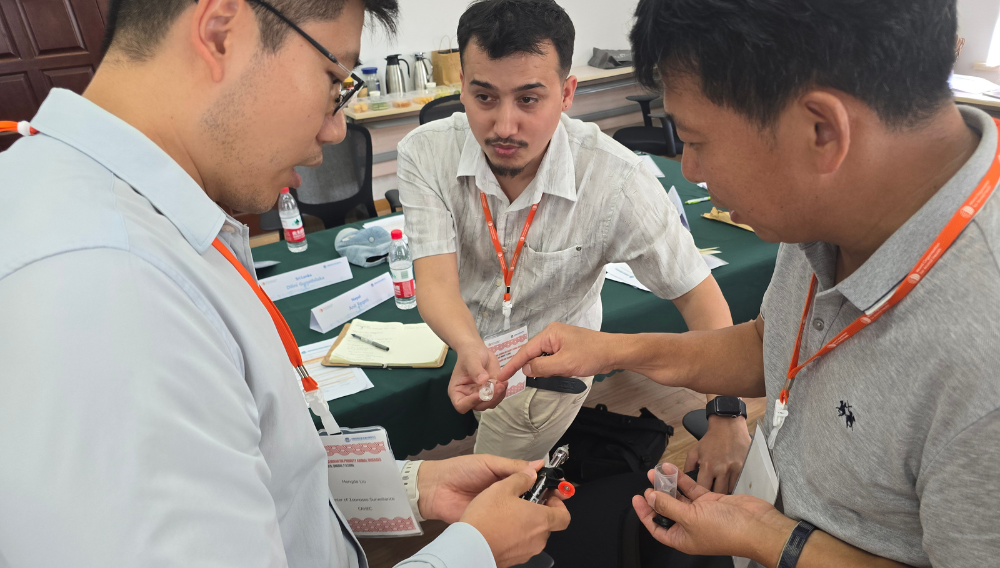
Recognizing the burden of bovine TB/zTB in the region and the need to strengthen capacity for accurate diagnosis and surveillance, WOAH RRAP in collaboration with the China Animal Health and Epidemiology Center (CAHEC), which is the WOAH Collaborating Centre for Veterinary Epidemiology and Public Health based in Qingdao, P.R. China, organised the WOAH Regional Hands-on Training on Zoonotic TB Diagnosis at Qingdao, on 1-5 September 2025. This hands-on laboratory training provided the latest knowledge and skills in the use of diagnostic tests recommended by WOAH for the routine diagnosis and surveillance of bTB/zTB. At this training, participants expressed the need for similar trainings to be continued in the future as laboratory diagnostic capacity and disease surveillance are still lacking in many zTB endemic Members.
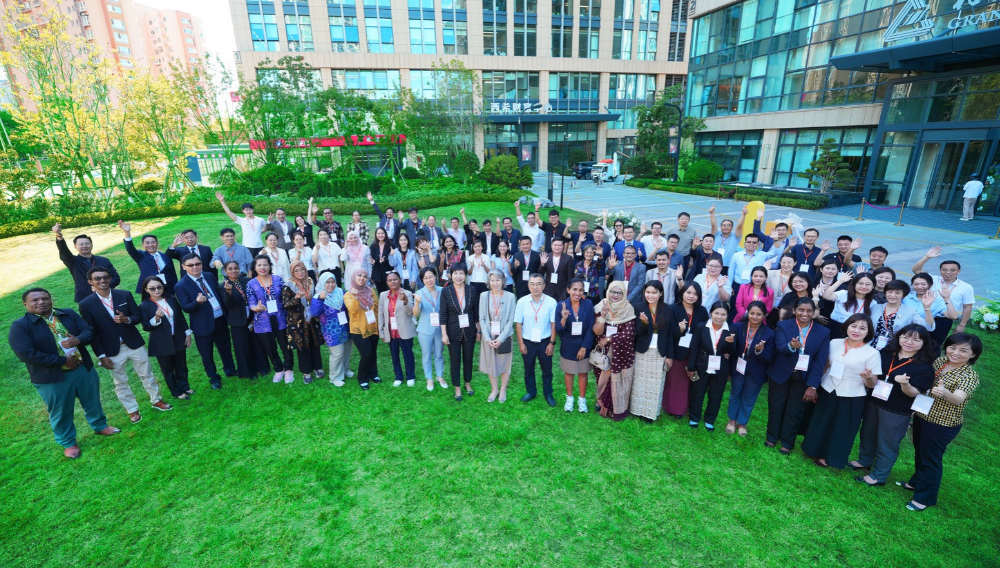
Therefore, WOAH RRAP in collaboration with CAHEC organised the 2nd training on 14-18 September 2026 at Qingdao in parallel with the hands-on training for African Swine Fever (ASF), Avian Diseases, Lumpy Skin Disease (LSD), and Peste des Petits Ruminants (PPR) in the same week. The zTB hands-on training was part of the WOAH Regional Capacity Training on Priority Animal Disease Control and Prevention in Asia and the Pacific that consisted of 1.5 days of international seminar followed by 3.5 days of hands-on laboratory training on each of the five diseases which equipped participants with practical knowledge and skills in laboratory diagnostics, epidemiological surveillance, and outbreak management, contributing to improved control and eradication efforts of TADs and zoonotic diseases in the region.
The key objectives for the hands-on training on zTB were:
A total of ten laboratory technicians/veterinarians working on bovine tuberculosis/zoonotic tuberculosis (TB) diagnosis at the national/sub-national laboratories from Bhutan, Indonesia, Malaysia, Mongolia, Nepal, Papua New Guinea, Sri Lanka, Thailand, Timor-Leste and Viet Nam participated in this hands-on training.
Dates: 14-18 September 2026
Venue: Qingdao, P.R. China
Participation: By invitation
Agenda: See here
Presentations: download from this page