

Regional activities
Activities for World Rabies Day in our region in 2026
Read more
As the global community marks World Rabies Day 2026 under the theme “Stronger Together”, Bhutan has provided the Asia-Pacific region with a powerful example of what can be achieved through sustained commitment, strong partnerships and a One Health approach.
In September 2026, the World Health Organization (WHO) formally validated Bhutan for the elimination of dog-mediated human rabies as a public health problem, making Bhutan the first country in the WHO South-East Asia Region and the first country outside the Americas to achieve this important milestone. (See article: WHO validates Bhutan for eliminating dog-transmitted human rabies)
Rabies remains one of the world’s deadliest neglected tropical diseases, yet it is entirely preventable. Around 99% of human rabies cases originate from infected dogs. Bhutan’s success demonstrates that eliminating human deaths from dog-mediated rabies is achievable when governments, communities, veterinary services, public health authorities and international partners work together towards a common goal.
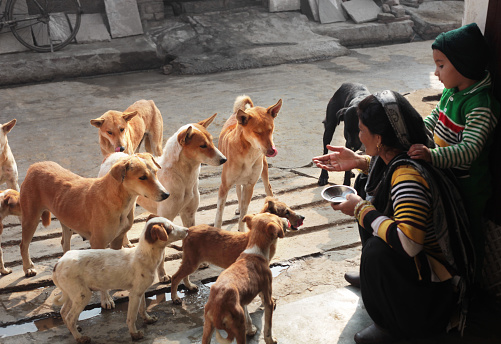
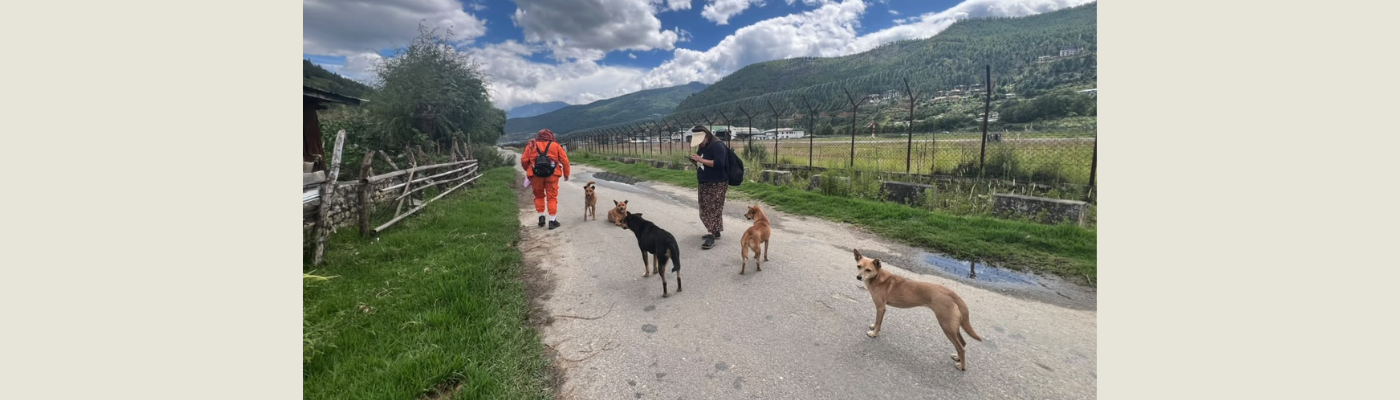
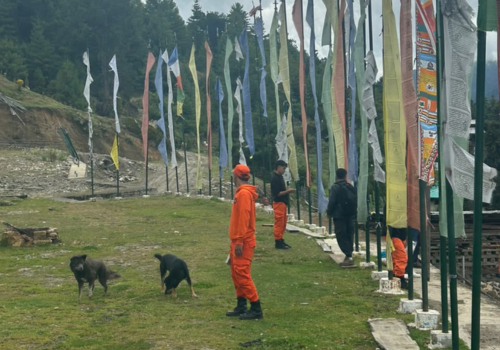
For more than a decade, Bhutan has pursued an ambitious and sustained effort to control rabies through mass dog vaccination, dog population management, universal access to post-exposure prophylaxis (PEP), community engagement and strong surveillance systems. The country’s Nationwide Accelerated Dog Population Management and Rabies Control Programme (NADPM & RCP), implemented under the dynamic and visionary leadership of His Majesty The King of Bhutan, has achieved dog vaccination coverage exceeding 90% and 100% sterilisation of free-roaming dogs. (See article: Bhutan achieves sterilisation of all the country’s free-roaming dogs in under two years)
The WHO validation mission observed sustained zero human deaths from dog-mediated rabies since 2023, uninterrupted availability of rabies vaccines and immunoglobulins throughout the country, effective disease surveillance systems, and high levels of public awareness regarding rabies prevention. The mission also highlighted Bhutan’s strong One Health governance framework.
From an animal health perspective, Bhutan’s achievement reflects years of investment in strengthening veterinary services, improving disease surveillance, expanding diagnostic capacity and implementing evidence-based dog vaccination programmes. The country has developed integrated information systems linking human and animal health sectors and strengthened laboratory capacity for rabies diagnosis.
The World Organisation for Animal Health (WOAH) has been a long-standing partner in Bhutan’s rabies elimination journey. Over the years, WOAH has supported Bhutan through rabies vaccine donations, capacity building for mass dog vaccination and dog population management, strengthening rabies diagnostics and surveillance systems, and providing technical assistance during outbreaks. Bhutan has also benefited from WOAH-led regional initiatives, training opportunities and access to international expertise. (See article: National Workforce Development Workshop for Bhutan)
During the WHO validation mission, WOAH participated as an observer and technical partner, contributing expertise on animal rabies surveillance, diagnostics, vaccination strategies, dog population management and alignment with international standards. The mission recognised Bhutan as one of the strongest examples in the region of how a One Health approach can successfully deliver rabies elimination outcomes.
Bhutan’s success also carries an important lesson for the region. Elimination of dog-mediated human rabies has been achieved not through a single intervention, but through the collective efforts of multiple sectors working stronger together. Veterinary professionals, medical personnel, laboratory experts, local governments, volunteers, communities and international partners have all contributed to this achievement.
Elimination of dog-mediated human rabies has been achieved not through a single intervention, but through the collective efforts of multiple sectors working stronger together.
While WHO validation marks a major milestone, it is not the end of the journey. Continued vigilance will be essential to maintain surveillance, sustain high vaccination coverage, strengthen wildlife rabies surveillance, enhance cross-border collaboration and ensure long-term financing for rabies prevention and control activities.
As the world observes World Rabies Day 2026, Bhutan’s accomplishment stands as an inspiring success story for Asia and the Pacific. It demonstrates that when countries embrace the One Health approach and work “Stronger Together”, eliminating dog-mediated human rabies is not merely an aspiration, but an achievable reality.
Dr Rinzin Pem, Chief Veterinary Officer of the Department of Livestock, adds that, “The launch of the third phase of the Nationwide Accelerated Dog Population Management and Rabies Control Programme on 5th September 2026, under the enlightened and benevolent leadership of His Majesty The King, reaffirms Bhutan’s commitment to protecting and sustaining its rabies-free status and preventing the re-establishment of dog-mediated rabies. Through this phase and beyond, Bhutan will remain steadfast in safeguarding these gains through sustained vigilance, shared responsibility and coordinated action.”