

Regional
Rabies
Read more
World Rabies Day, observed every year on 28 September, is an opportunity for WOAH Members, partners and communities to raise awareness, strengthen collaboration and accelerate action towards the elimination of dog-mediated human rabies.
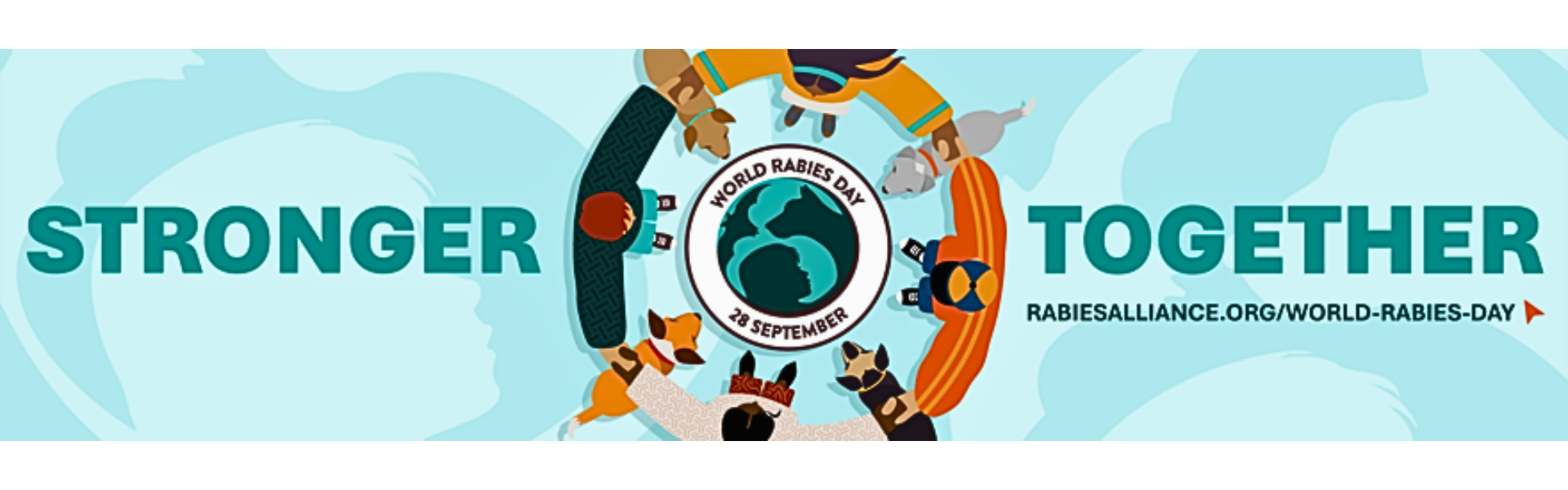
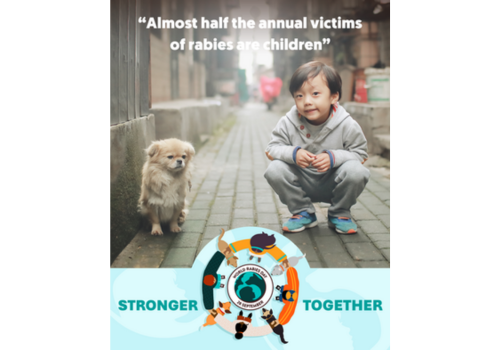
In 2026, we mark the 20th World Rabies Day under the theme “Stronger Together.” The theme, established by the Global Alliance for Rabies Control (GARC), highlights a simple but essential message: rabies elimination is only possible when communities, veterinary services, human health authorities, governments, educators and international partners work together.
The 2026 theme calls for stronger partnerships, better communication and more coordinated action across human and animal health systems. It recognises that fragmented systems, gaps in information-sharing and duplicated efforts can slow progress, while aligned One Health action can save lives and protect both people and animals.
The tools to eliminate dog-mediated rabies already exist. These include mass dog vaccination, effective surveillance and reporting, public awareness, responsible dog population management, and timely access to post-exposure prophylaxis. Working together, countries and communities can turn these tools into sustained action and help achieve the global goal of zero human deaths from dog-mediated rabies by 2030.
“Stronger Together” reflects the shared responsibility of all those involved in rabies prevention and elimination.
Communities can promote awareness, responsible animal care and early reporting of suspected cases.
Veterinary professionals and Veterinary Services can support mass dog vaccination, surveillance, diagnosis and humane dog population management.
Healthcare workers can provide timely advice, wound care and post-exposure prophylaxis following possible exposure.
Governments and policymakers can strengthen national programmes, legislation, coordination and sustainable financing.
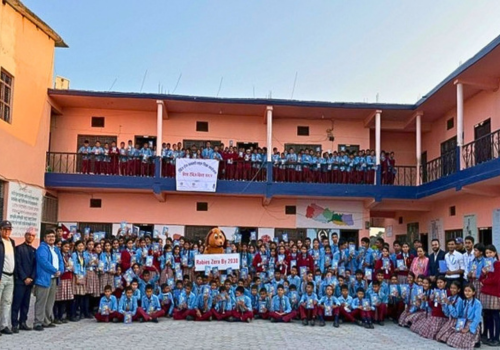
Educators and youth can help spread accurate information and encourage preventive action.
International and regional partners can share expertise, resources, tools and lessons learned across borders.
These actions are interconnected. Education supports vaccination uptake; surveillance helps target interventions; veterinary and human health services must exchange information; and national programmes require political commitment and sustained investment.
Rabies is a zoonotic disease that affects both animals and people. In the Asia and Pacific region, dog-mediated rabies remains the predominant source of human disease, while under-diagnosis, under-reporting and insufficient investment continue to hinder progress.
A One Health approach brings together the sectors and disciplines needed to interrupt transmission at its animal source and prevent human deaths. This includes:
Coordinating human and animal health authorities.
Expanding access to high-quality vaccination for dogs.
Strengthening surveillance, laboratory diagnosis and reporting.
Improving access to wound management and post-exposure prophylaxis.
Supporting responsible and humane dog population management.
Working with local authorities, communities, schools and civil society.
Using evidence and locally appropriate solutions to guide action.
World Rabies Day is a moment to highlight this collaboration, but rabies elimination requires sustained work throughout the year.
spotlights that rabies elimination is only possible when communities, veterinary services, human health authorities, governments, educators and international partners work together.
The WOAH Regional Representation for Asia and the Pacific and its partners will use World Rabies Day 2026 to highlight collaborative activities and examples of One Health action across the region.
This page will be updated with information about regional events, national initiatives, Member activities and stories demonstrating how stakeholders are working together to prevent rabies and advance elimination. You may keep updated on stories via this page or at our site’s News section.
If you are organising an activity or implementing an initiative related to rabies prevention and elimination in Asia and the Pacific, we invite you to share your story with us. Examples may include:
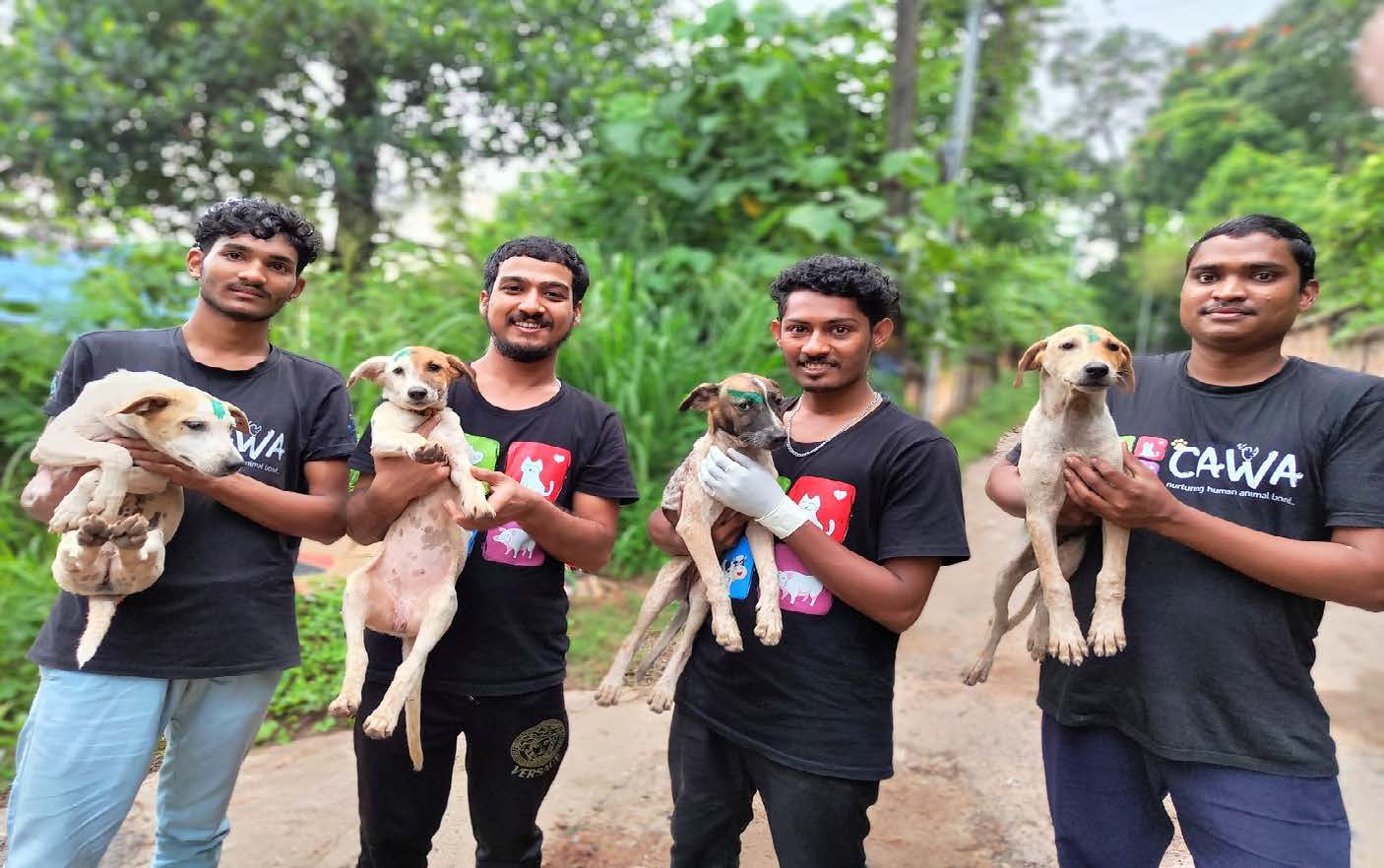
Mass dog vaccination campaigns.
Joint activities involving veterinary and human health authorities.
Rabies surveillance or laboratory-strengthening initiatives.
Community education and awareness programmes.
School, youth or civil-society activities.
Training, workshops or policy dialogues.
Local partnerships supporting responsible dog ownership and animal welfare.
Please email [email protected] with “WOAH WRD 2026” in the subject line. Submissions may be considered for publication on this page or through the WOAH Regional Representation’s news channels.
You can support World Rabies Day 2026 by:
Organising a local awareness event, school activity or community discussion.
Sharing reliable information about rabies prevention and exposure response.
Supporting or participating in dog vaccination activities.
Connecting veterinary, medical, education and local-government partners.
Promoting timely reporting, wound washing and access to medical care after a bite or other possible exposure.
Advocating for stronger, coordinated and sustainably funded rabies programmes.
Sharing examples of local collaboration through social media.
For social media activities, use the official World Rabies Day hashtags:
#WorldRabiesDay #WorldRabiesDay2026 #WRD2026 #StrongerTogetherWRD
Follow and tag @WOAH, @WOAH_Asia and @rabiesalliance, where appropriate to join the global conversation.
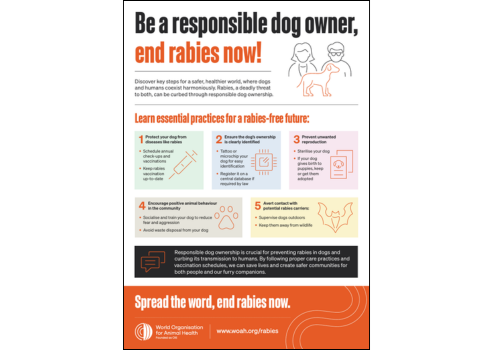
World Rabies Day event resources (social media cards, posters, other media)
WRD is a chance for the regional community to join a global movement rooted in local action and engagement. You may find a listing of WRD events organised in the region (registered with GARC), which may also serve as inspiration for how you might celebrate World Rabies Day.