


Antimicrobial resistance

Spreading awareness of AMR in Bangladesh

Header

Bridging the gap between high-level policy makers and ground-level practicioners in Bangladesh: “Combating antimicrobial resistance (AMR) through One Health collaboration”

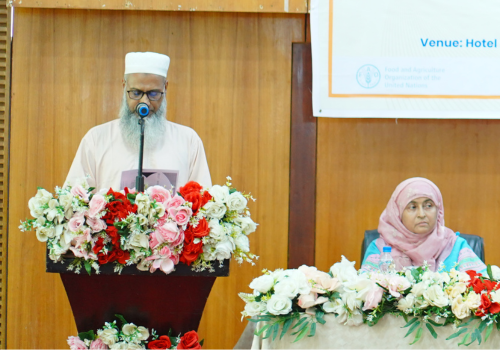
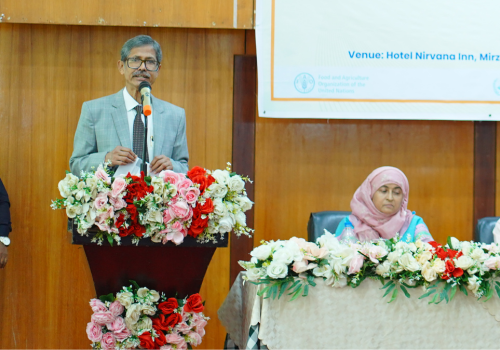
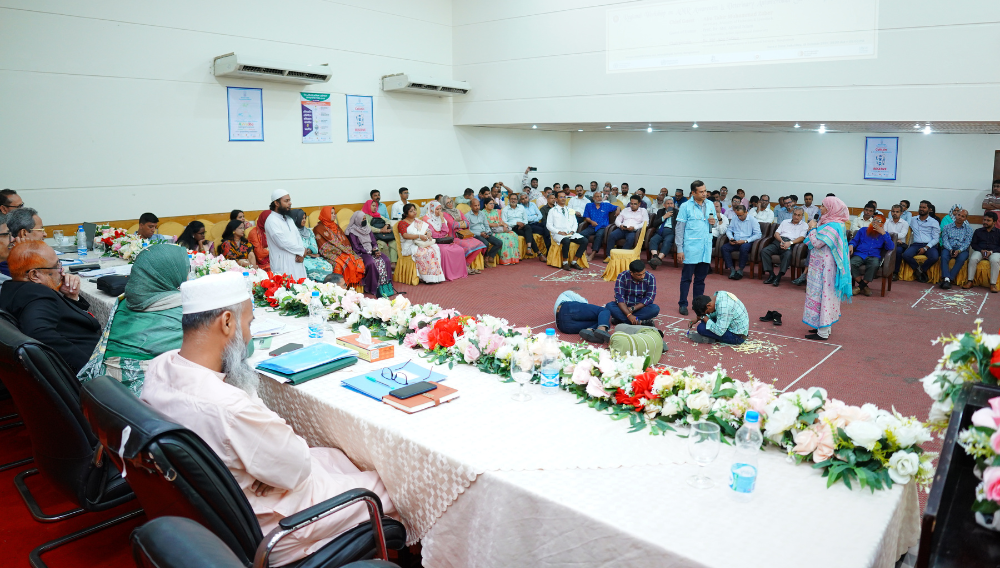
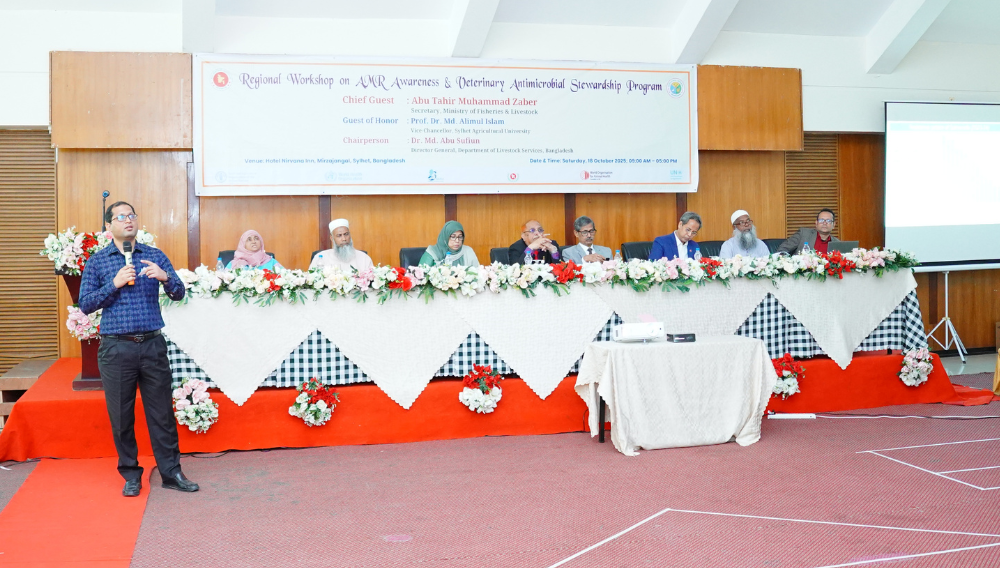
(Banner photo: Speakers convening the workshop for AMR awareness in Sylhet, Bangladesh)

11 Oct 2025 (Bangladesh) – A successful one-day “Regional Workshop on AMR Awareness” was held in Sylhet, Bangladesh, assembling a diverse group of One Health stakeholders. Attendees included professionals from human health, animal health (terrestrial and aquatic), environment, drug administration, and agriculture, alongside farmers, sellers, pharmaceutical representatives, and private organisations. The workshop aimed to raise awareness of the grave AMR threat and foster a collaborative One Health approach. Featuring expert talks, engaging dramas, and participatory group discussions, the event culminated in a set of practical, field-based recommendations for the Veterinary Antimicrobial Stewardship Guideline (VAG). Crucially, the workshop successfully bridged the gap between high-level policy and on-ground practices, particularly involving field personnel and farmers.

Introduction

Antimicrobial resistance (AMR) poses a critical threat to global health, food security, and livestock development. Recognising the need for a multi-sectoral response, the workshop was organised to share knowledge, disseminate recent findings, and build a cohesive network to tackle AMR challenges in the Sylhet region and beyond. The event strongly emphasised the interconnectedness of human, animal, and environmental health – the core of the One Health approach.

Proceedings of the workshop

The workshop was structured around three main components: technical presentations, innovative awareness activities, and participatory group discussions. The session was facilitated by Dr Md Junaed Kabir (ULO, Gulapganj, Sylhet) and Rahat Ara Karim (National Technical Advisor, ECTAD FAO), with Dr Tilak Chandra Nath (Chairman, Parasitology, Sylhet Agricultural University) serving as rapporteur.


The Divisional Director of the Bangladesh Department of Livestock Services (DLS), Sylhet delivers welcome remarks.

Welcome notes from the host and speeches from honorable guests

  • Dr Abu Jafar Md Ferdaus, Divisional Director, Department of Livestock Services (DLS) Sylhet welcomed the guests and the distinguished participants.
  • Dr Begum Shamsunnahar Ahmed, Director, Extension, Department of Livestock Services (DLS) called upon relevant stakeholders to embrace the One Health approach, outlining the critical roles each must play to ensure unified action.
  • Dr Md Abu Sufiun, Director General of DLS, highlighted that AMR has emerged as a global public health threat requiring immediate action. The DLS stresses the need for collaborative efforts from all stakeholders to effectively combat resistance. Our strategy focuses on promoting good management practices and curtailing the needless use of antibiotics. We are steadfast in our commitment to securing a healthier future for generations to come.

The Secretary of the Bangladesh Ministry of Fisheries and Livestock delivers a speech, expressing gratitude to organisers and participants for joining.

  • Dr Alimul Islam, Vice Chancellor, Sylhet Agricultural University, stressed the critical nature of AMR risks. Drawing on his background in microbiology, he not only acknowledged its importance but also scientifically detailed the role and mechanism of AMR.
  • Dr Hirofumi Kugita, Regional Representative for the WOAH Regional Representation for Asia and the Pacific, Japan, extended his thanks to the organizers, the distinguished guests and participants. He outlined WOAH’s strategy to tackle AMR, specifically emphasizing how data sharing via ANIMUSE is crucial for informing policy decisions. Dr Kugita concluded his recorded speech by encouraging participants to embrace the responsible use of antibiotics and to work collaboratively under the One Health approach.
  • Abu Tahir Muhammed Zaber, Secretary of the Ministry of Fisheries and Livestock, expressed his gratitude to the organizers for assembling such a diverse group. He specifically noted the participation of DLS officials and staff, livestock farmers, and key stakeholders from the health, fisheries, agriculture, drug administration, and environment sectors. Highlighting the global threat of AMR, he stressed the crucial need for interconnectedness and collaborative action among all attendees.

Technical presentations

  • Dr Md Sohel Rana, Senior Scientific Officer, DLS, Dhaka, delivered an outstanding presentation on “AMR in Animal Health,” where he comprehensively analyzed the challenges of antibiotic misuse in livestock. His talk detailed strategic pathways to combat AMR, underscoring the vital roles of preventive healthcare and responsible veterinary practices.
  • Professor Dr Premananda Das, Head of Microbiology at Sylhet Osmani Medical College, presented on “AMR in Human Health,” detailing how Antimicrobial Resistance directly impedes the treatment of common infections in hospitals. He discussed the causes of resistance in clinical settings and outlined essential mitigation steps for both healthcare professionals and the general public.
  • Dr Kazi Kamaruddin, AH & OH Lead, FFCGB, illuminated the “Scenario of Antimicrobial Usages in Livestock” by presenting recent data and findings from the Fleming Fund. His presentation was valuable for establishing the national context of current antibiotic consumption patterns and their connection to resistance.
  • Dr Sultan Ahmed, Professor of Microbiology & Immunology at Sylhet Agricultural University offered a unique perspective with his presentation on “AMR in Wildlife.” He led a detailed discussion on the often-overlooked role of wild animals as reservoirs and vectors for resistant bacteria, thereby highlighting the environmental dimension of AMR.
  • Dr Md Habibur Rahman, National AMR MPTF Consultant for Bangladesh, WOAH, presented on the “Role of stakeholders involved in veterinary antimicrobial stewardship,” focusing on progressively reducing AMR risks nationwide. He then engaged participants in a discussion about how international organizations can best support and strengthen national and regional AMR surveillance and control networks.
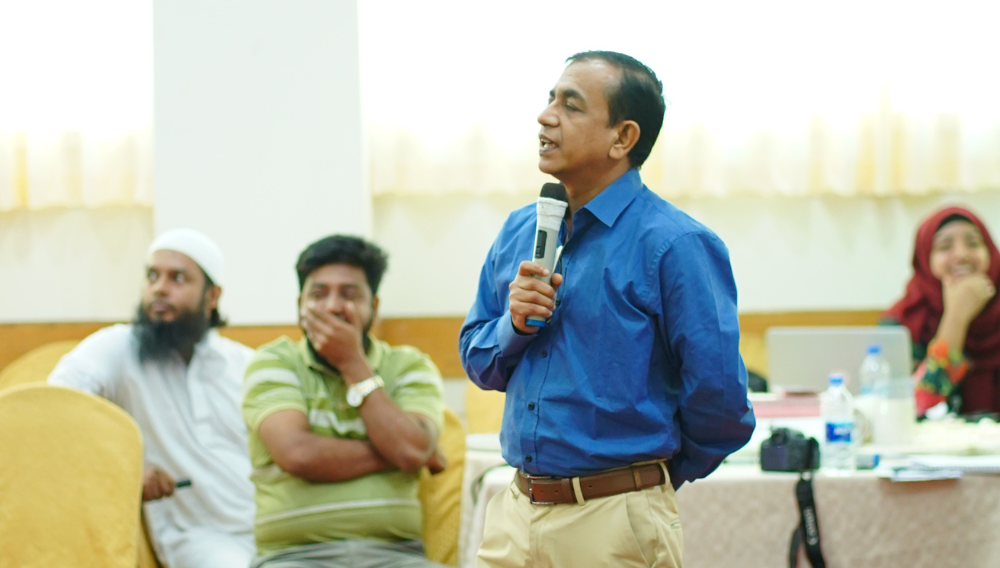
  • Dr Md Abu Sufiun, Director General of DLS, led a highly interactive Participatory Briefing on AMU in Farms. He directly engaged with poultry and dairy farmers, pharmaceutical representatives, and pharmacy association members. The session focused on the current Antimicrobial Use (AMU) situation in farming, heavily emphasizing the feasibility and benefits of raising animals with minimal or no antibiotics.

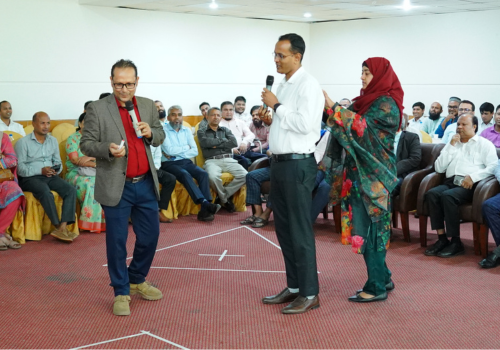
Roleplay activity on the spread of resistant genes conducted by the WOAH consultant and participants from the UN Food and Agricultural Organization (FAO) and Bangladesh DLS.

Innovative Awareness Session: Drama Shows

This session, using innovative methods to communicate complex scientific concepts, was facilitated by Dr Md Habibur Rahman (National AMR MPTF Consultant, WOAH), Dr Kamrun Naher (Senior National Technical Advisor, ECTAD FAO), Rahat Ara Karim (National Technical Advisor, ECTAD FAO) and Dr Rajib Chakraborty (ULO, Osmaninagar, Sylhet). They effectively engaged diverse sectors to deliver the concept.

  • The First Drama introduced the microorganisms causing AMR through a visual depiction of their transmission and cross-contamination pathways. It clearly illustrated how the misuse of antibiotics creates selection pressure for resistant strains.
  • The Second Drama effectively illustrated the transfer of resistant organisms from farms and markets to homes. This demonstrated the direct link between current agricultural practices and risks to human health.

The session successfully simplified the complex science of AMR, ensuring the concepts were both accessible and easy to recall for everyone, especially those from non-technical sectors.

Group work presentation of the feedback on the veterinary AMS guidelines developed by the Bangladesh DLS.

Participatory group discussion

Following the lunch break, participants were organised into specialised groups based on their expertise and field of engagement (e.g., farmers, veterinarians, pharmacists, and public health officials). These groups then began vibrant, detailed discussions focused on:

  • Identifying specific AMR problems encountered in the field
  • Brainstorming and proposing practical, actionable solutions tailored to the local context

Key Outcomes and Recommendations

The group discussions yielded a consensus on several key recommendations:

  • Promote alternative farming practices by offering training on how to achieve antibiotic-free livestock production through improved biosecurity, better nutrition, and the strategic use of vaccines and probiotics.
  • Strengthen farmer education by developing continuous and accessible awareness campaigns and training programs. These initiatives should highlight the economic and health benefits of using antibiotics responsibly.
  • Advocate for stricter enforcement of regulations controlling the sale and use of antibiotics across the veterinary and agricultural sectors.
  • Improve diagnostics by promoting the use of rapid and affordable diagnostic tests. This will ensure that antibiotics are used only when absolutely necessary.
  • Enhance cross-sectoral collaboration by establishing formal channels for regular communication and data sharing among the human health, animal health, and environmental sectors.
  • Scale up public awareness by utilizing innovative tools such as drama and community radio. These efforts will educate the general public on AMR and stress the importance of completing prescribed antibiotic courses.

Conclusion

The Regional Workshop on AMR Awareness in Sylhet proved to be a significant step toward forging a resilient, multi-sectoral alliance against Antimicrobial Resistance. By effectively merging expert knowledge, grassroots insights, and innovative communication, the event successfully highlighted the urgent AMR threat and the power of collective action. The resulting recommendations offer a clear roadmap for stakeholders to implement tangible solutions and ensure the future effectiveness of antimicrobials.

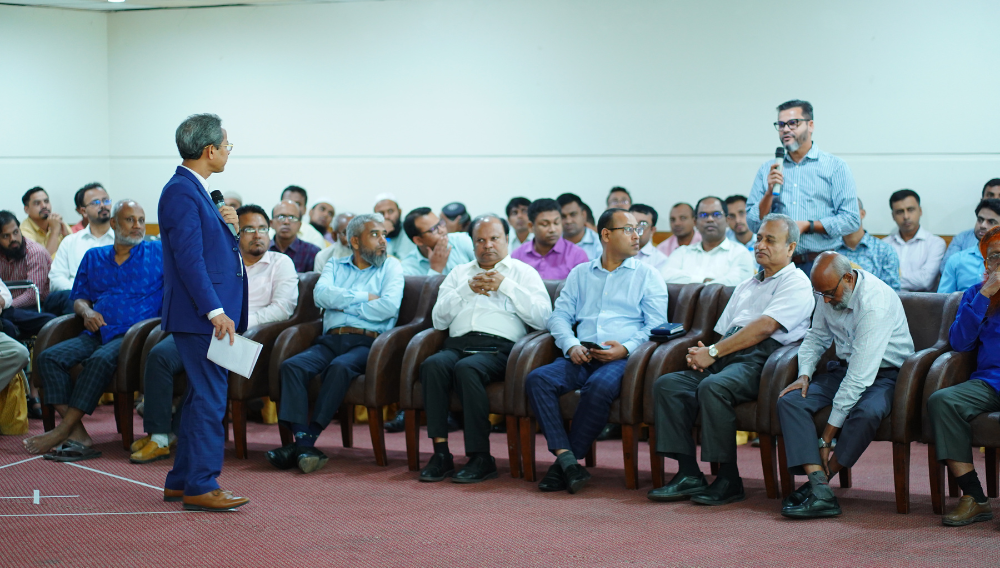
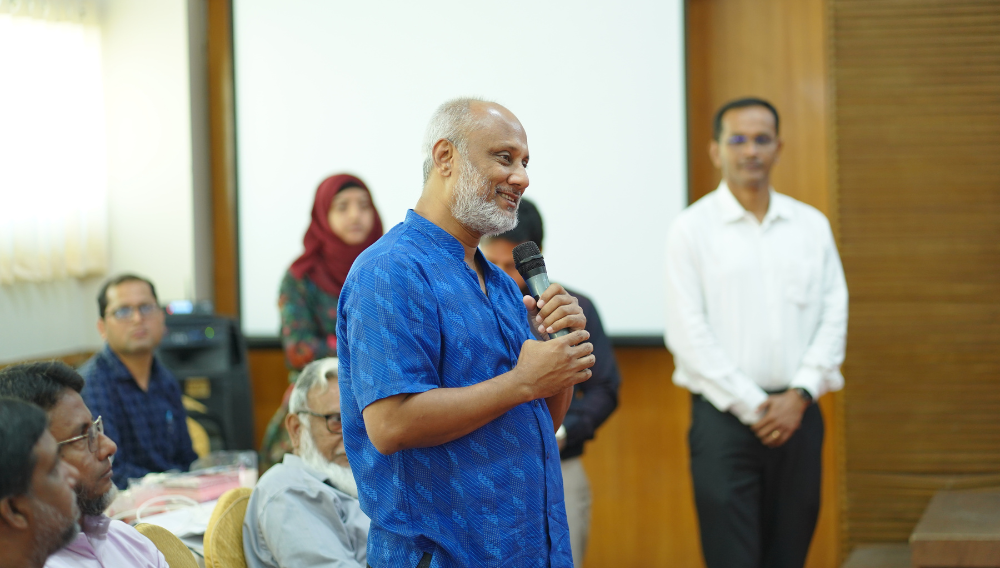
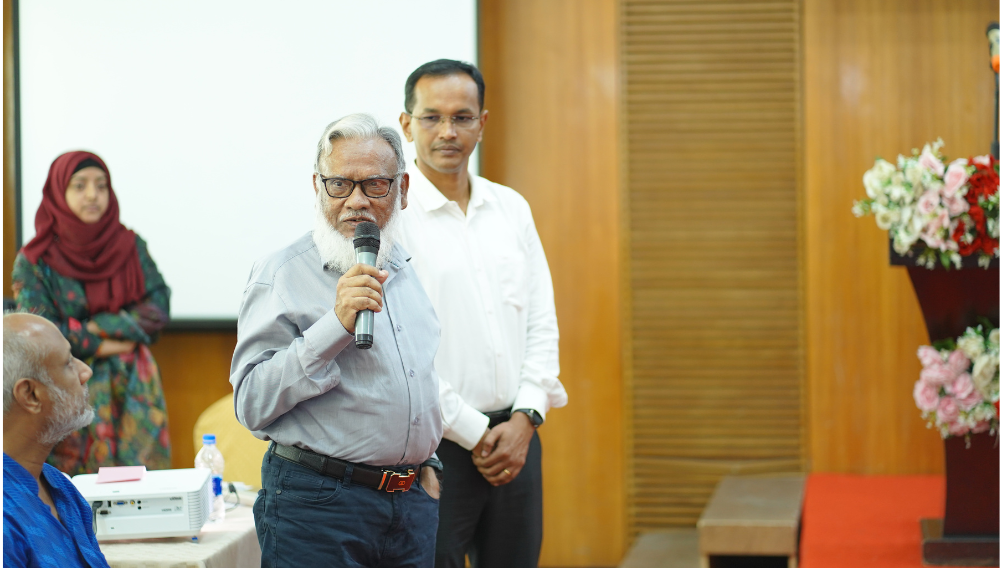
The Director General of the Bangladesh DLS facilitating a feedback session with participants.

Roleplay on the risks of AMR conducted by the FAO consultant and Bangladesh DLS, and joined by workshop participants.

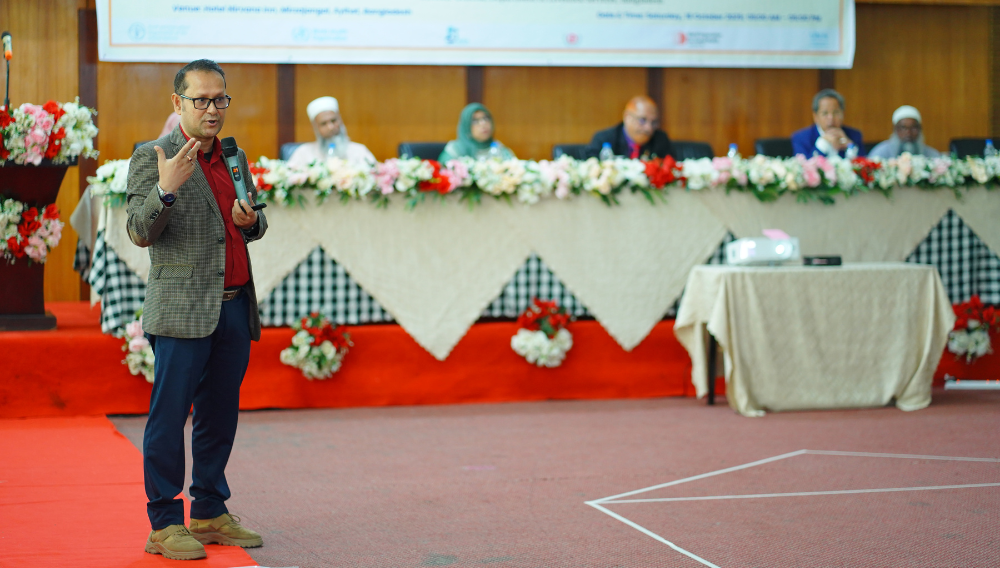
The Head of the Department of Microbiology, Sylhet Osmani Medical College delivers a presentation on “AMR in Human Health”.

The Professor of Microbiology and Immunology at Sylhet Agricultural University delivers a presentation on “AMR in Wildlife”.

The National AMR Multi-Partner Trust Fund (MPTF) Consultant for Bangladesh, WOAH delivering a presentation on “Veterinary Antimicrobial Stewardship”.

The Senior Scientific Officer at Bangladesh DLS, Dhaka delivering a presentation on “AMR in Animal Health”.

The Animal Health and One Health Lead of the Fleming Fund Country Grant to Bangladesh (FFCGB), delivering a presentation on the “Scenario of Antimicrobial Usages in Livestock”.


More information

Antimicrobial resistance

AMR workshop for Bangladesh veterinary and medical students

October 31, 2025
Read more
Regional

World AMR Awareness Week 2025

Read more
Global

United Nations General Assembly: High-Level Meeting on AMR

Read more
Forme