
Regional
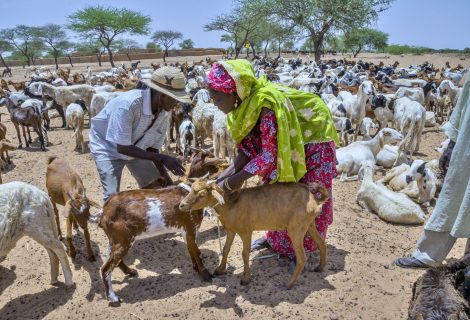
Peste des petits ruminants (PPR)
Read more
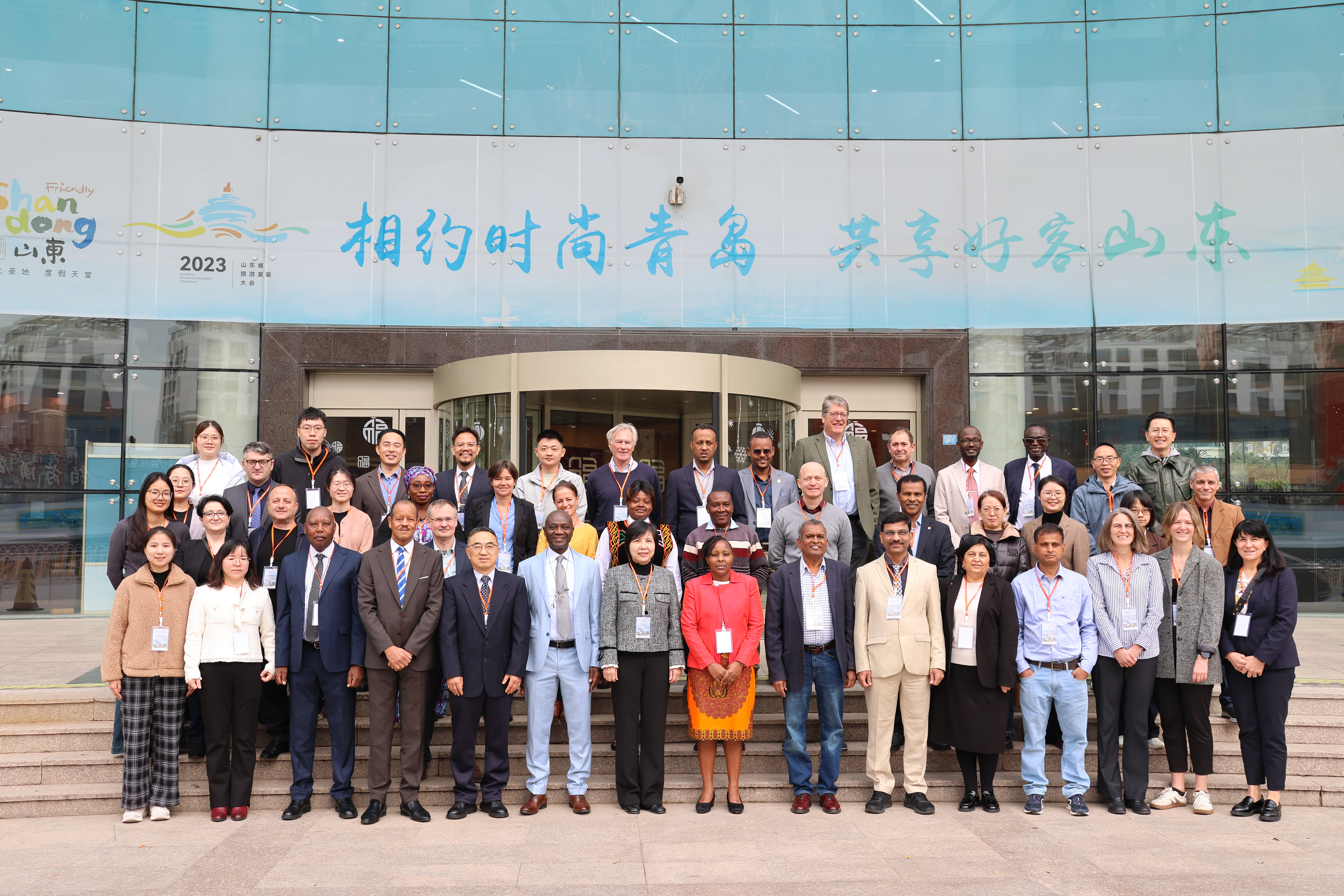
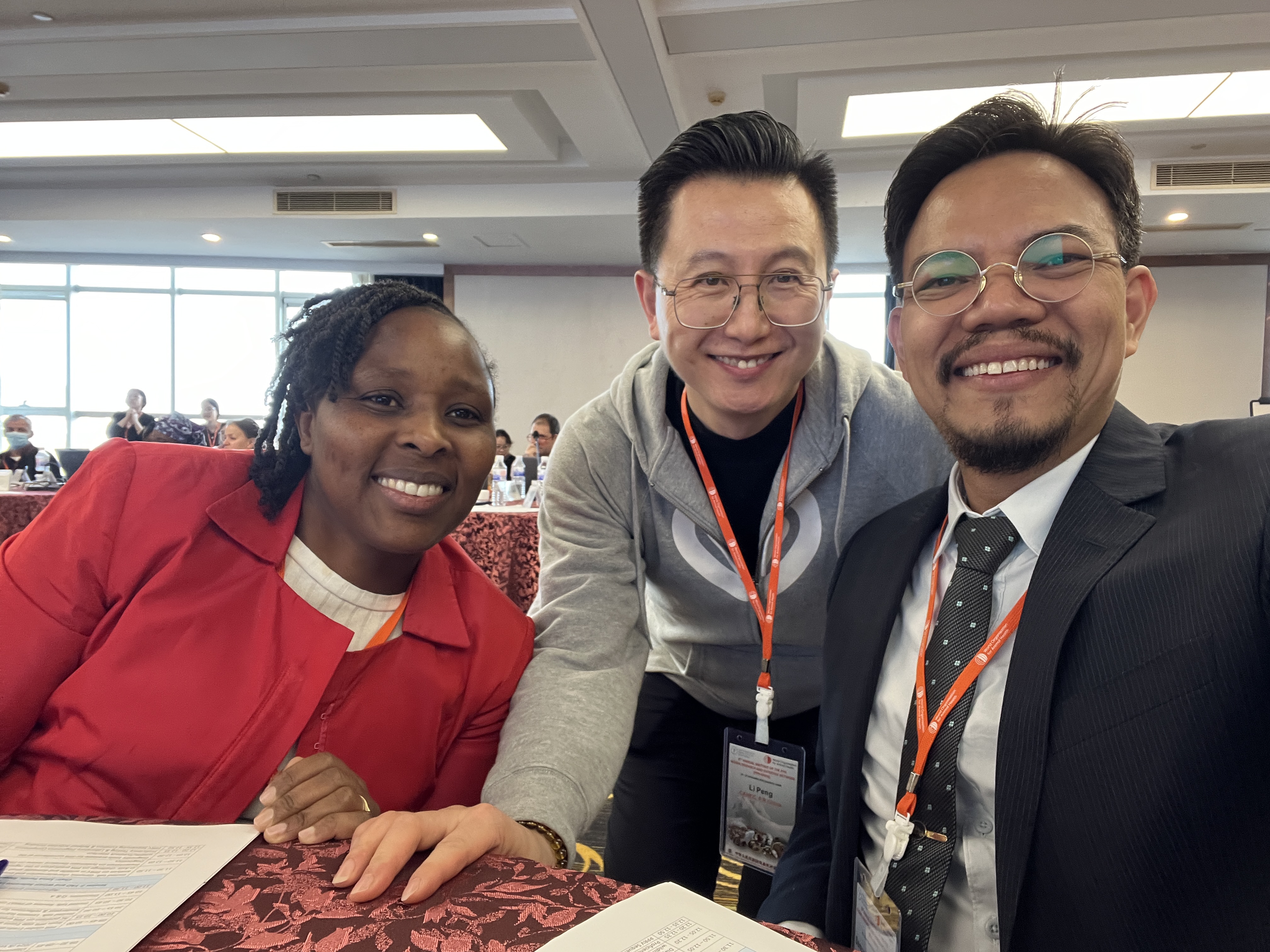
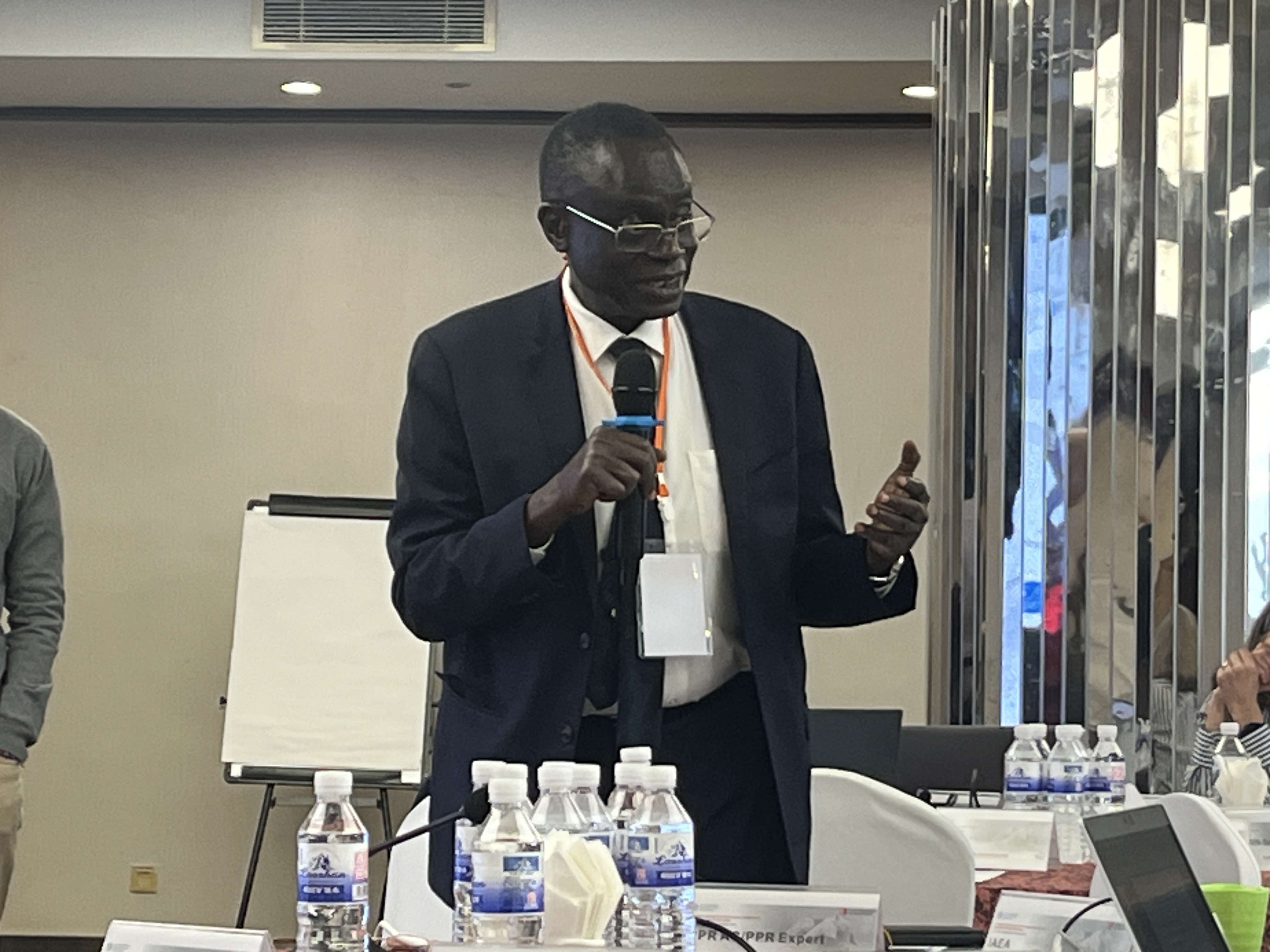
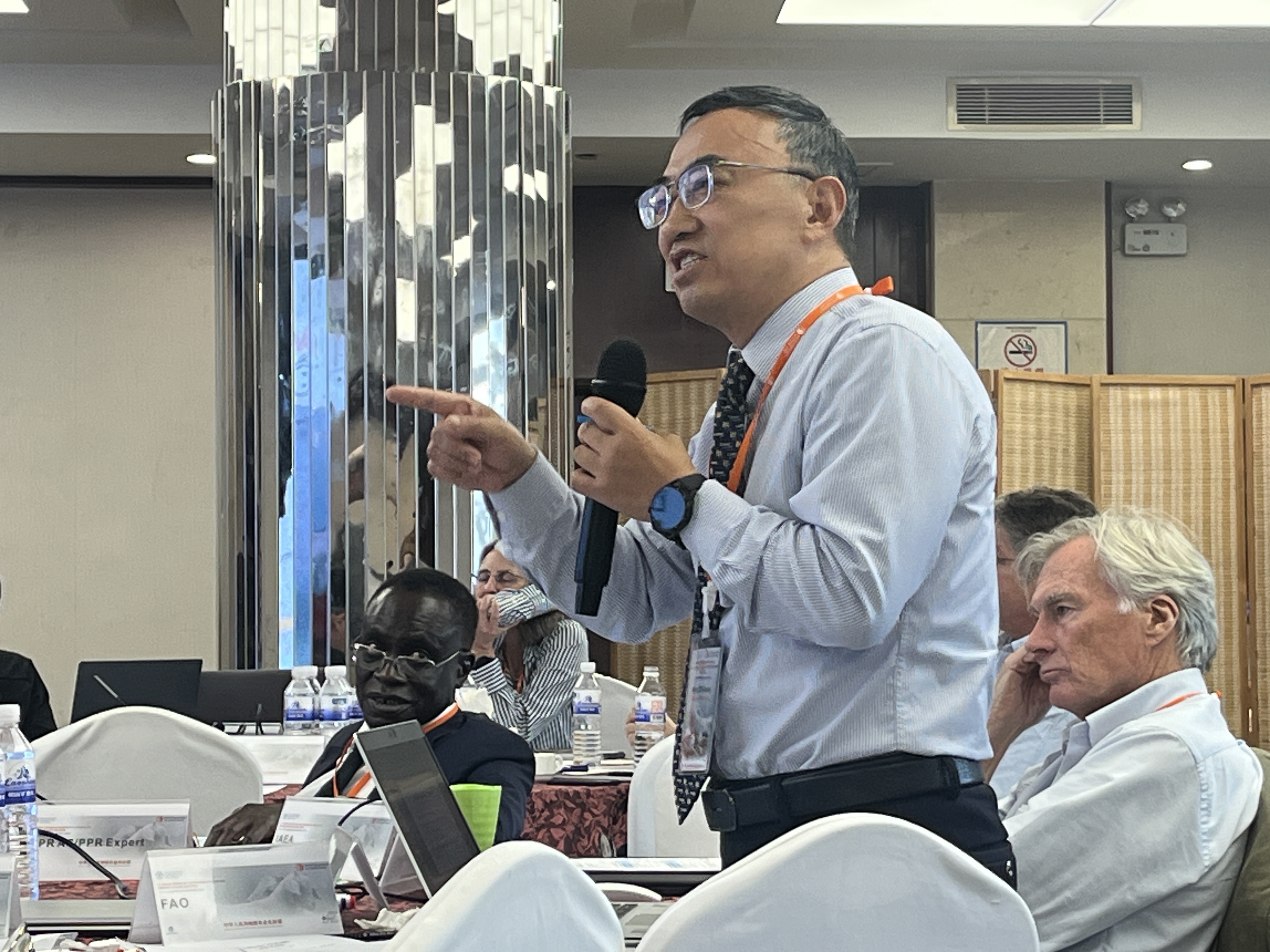
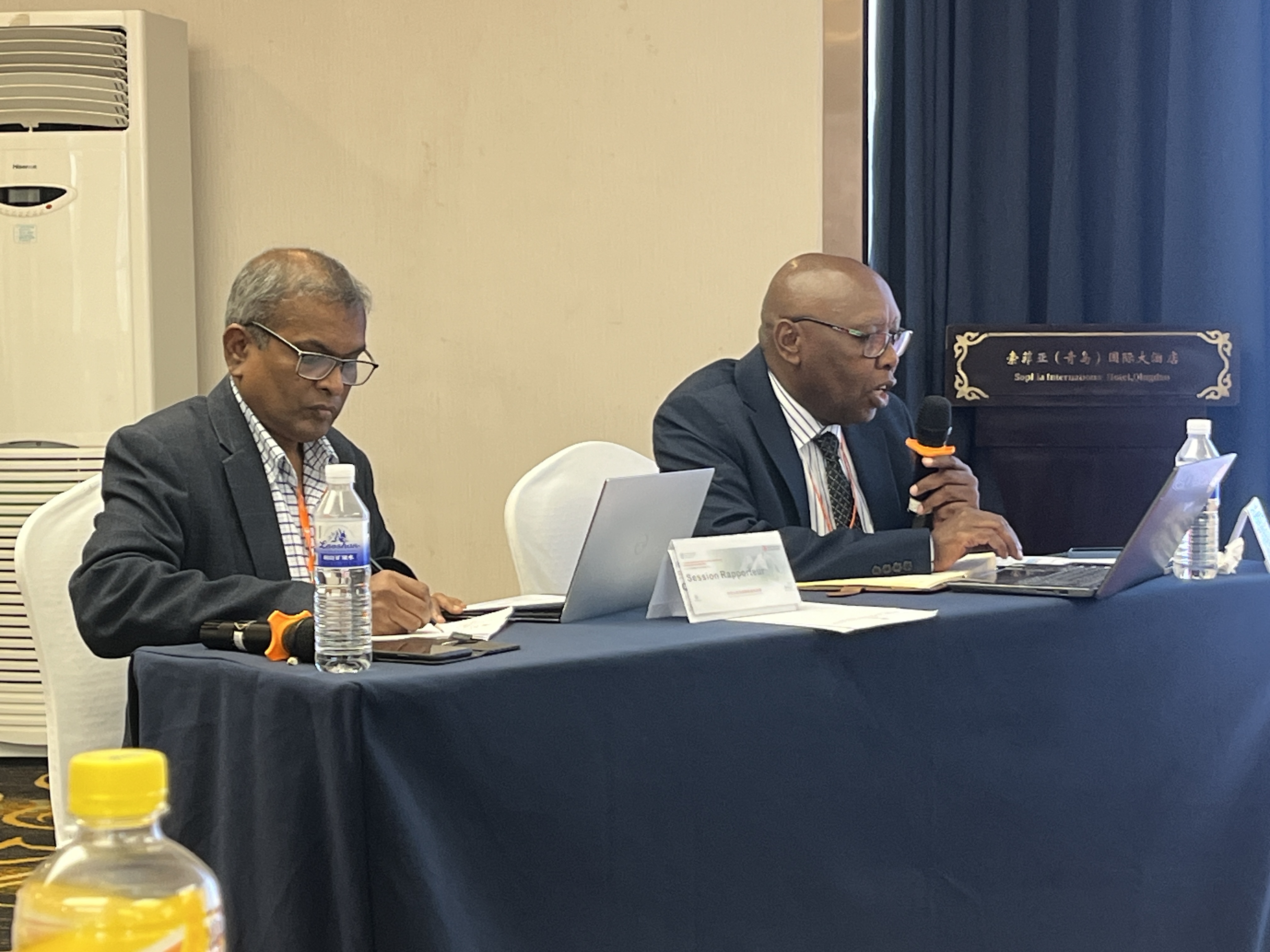
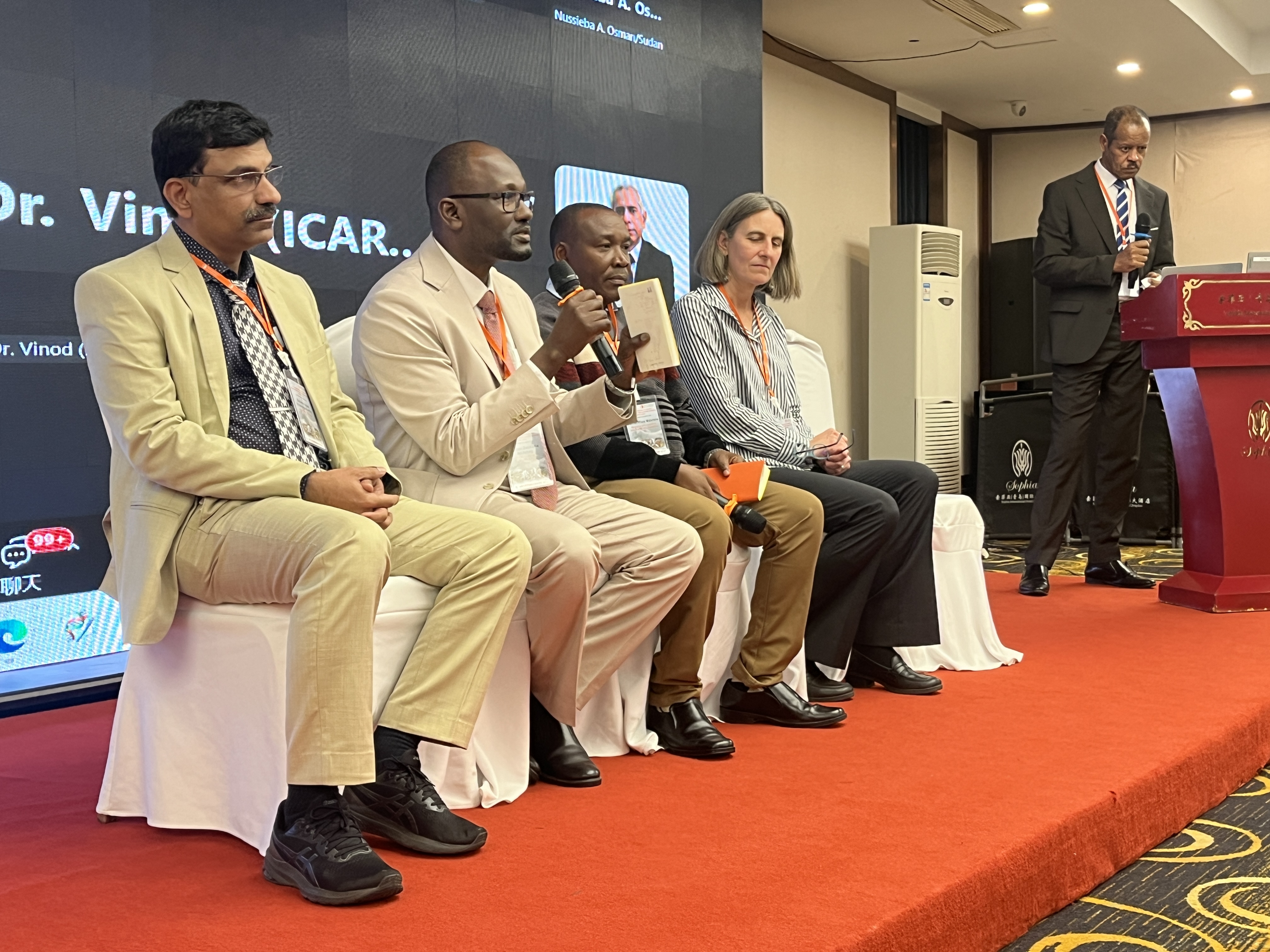
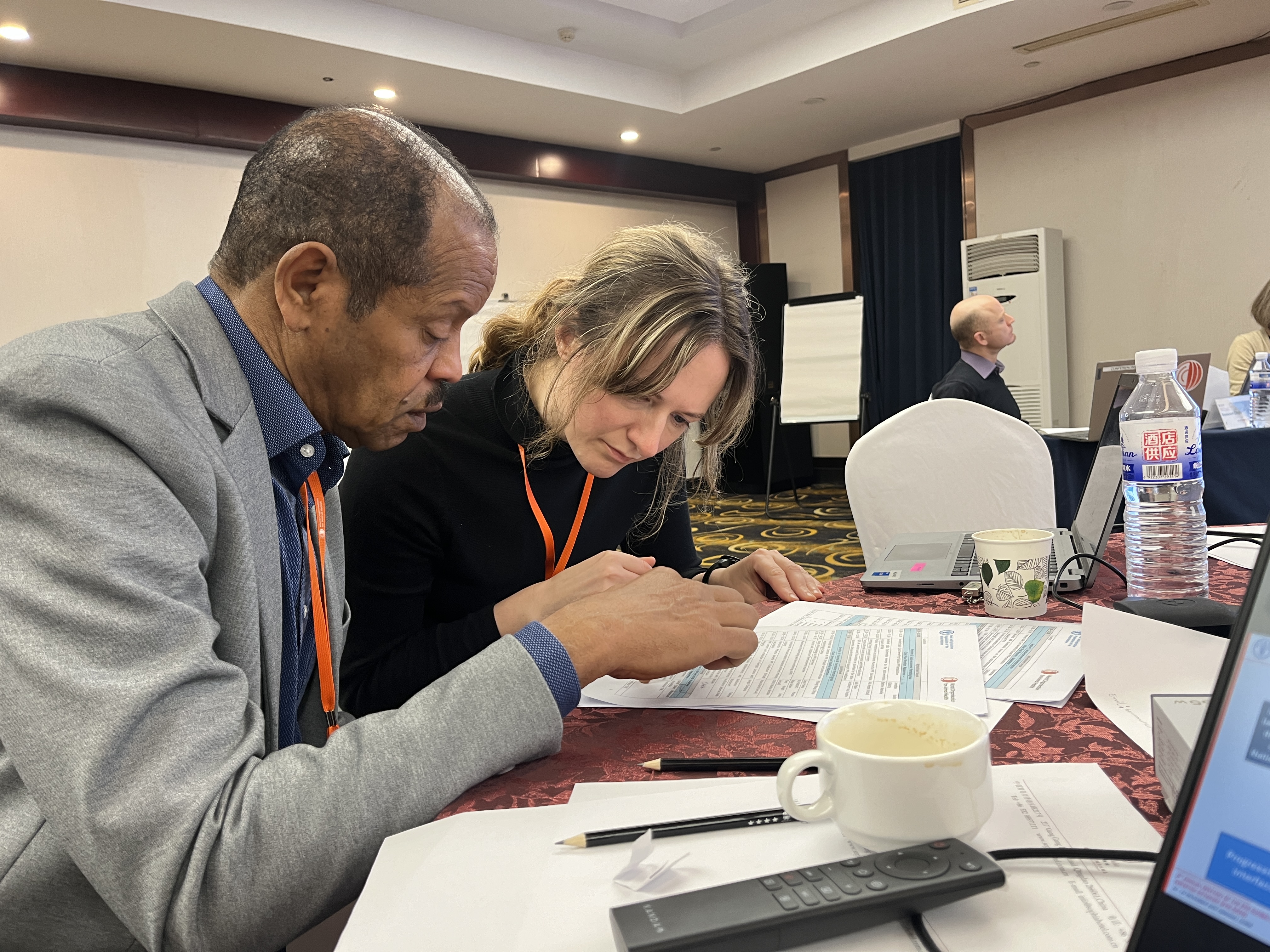
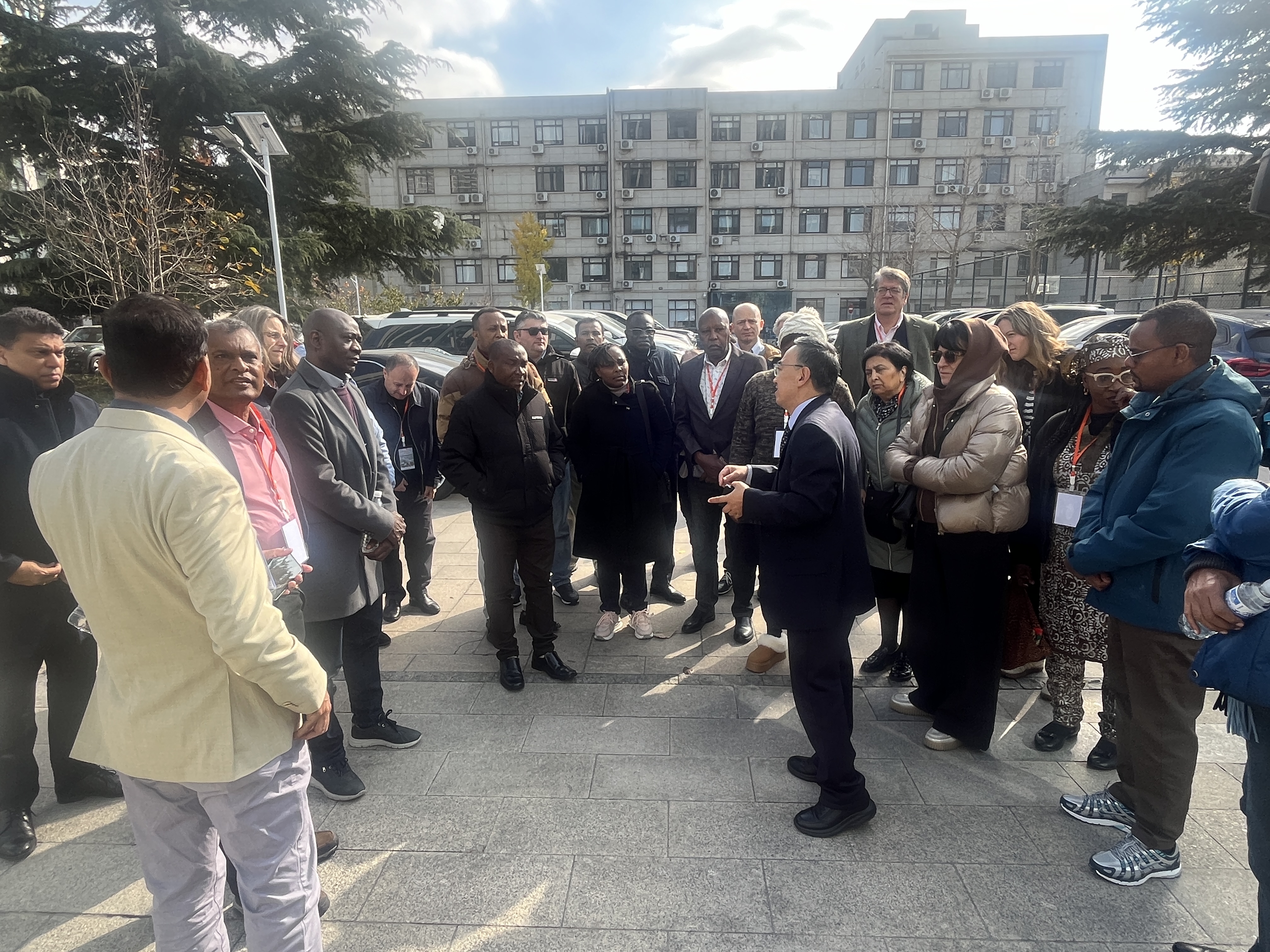
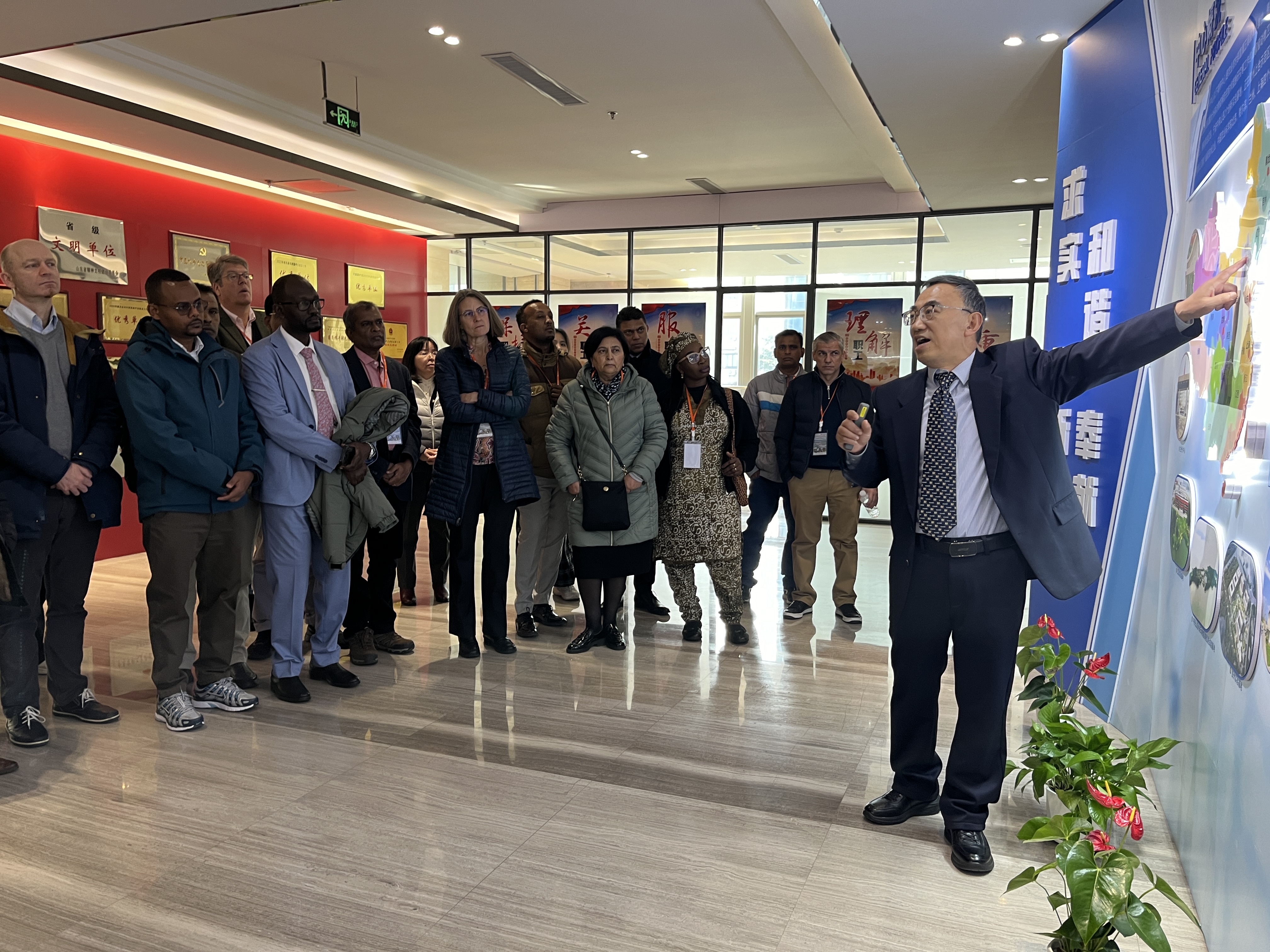
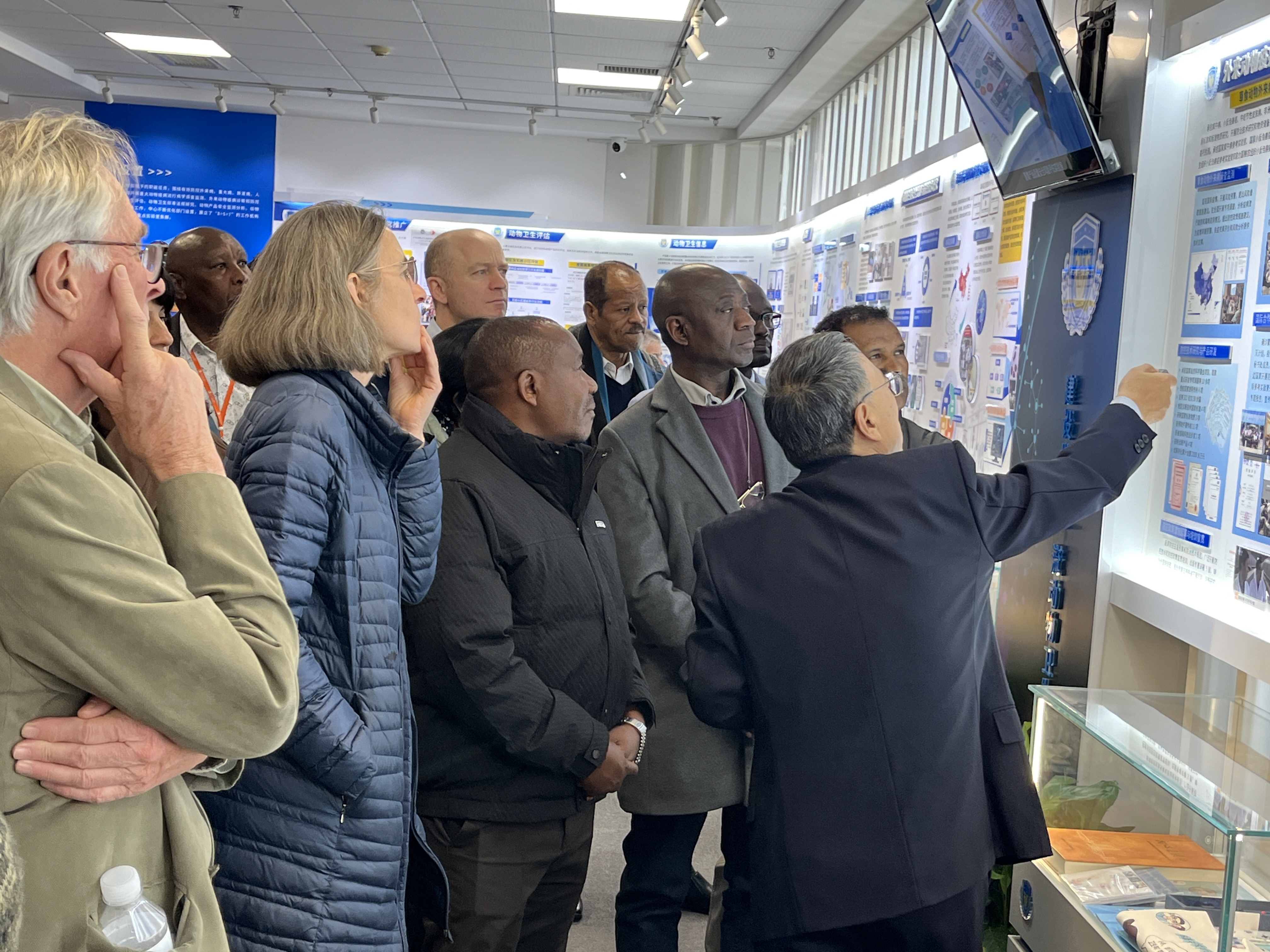
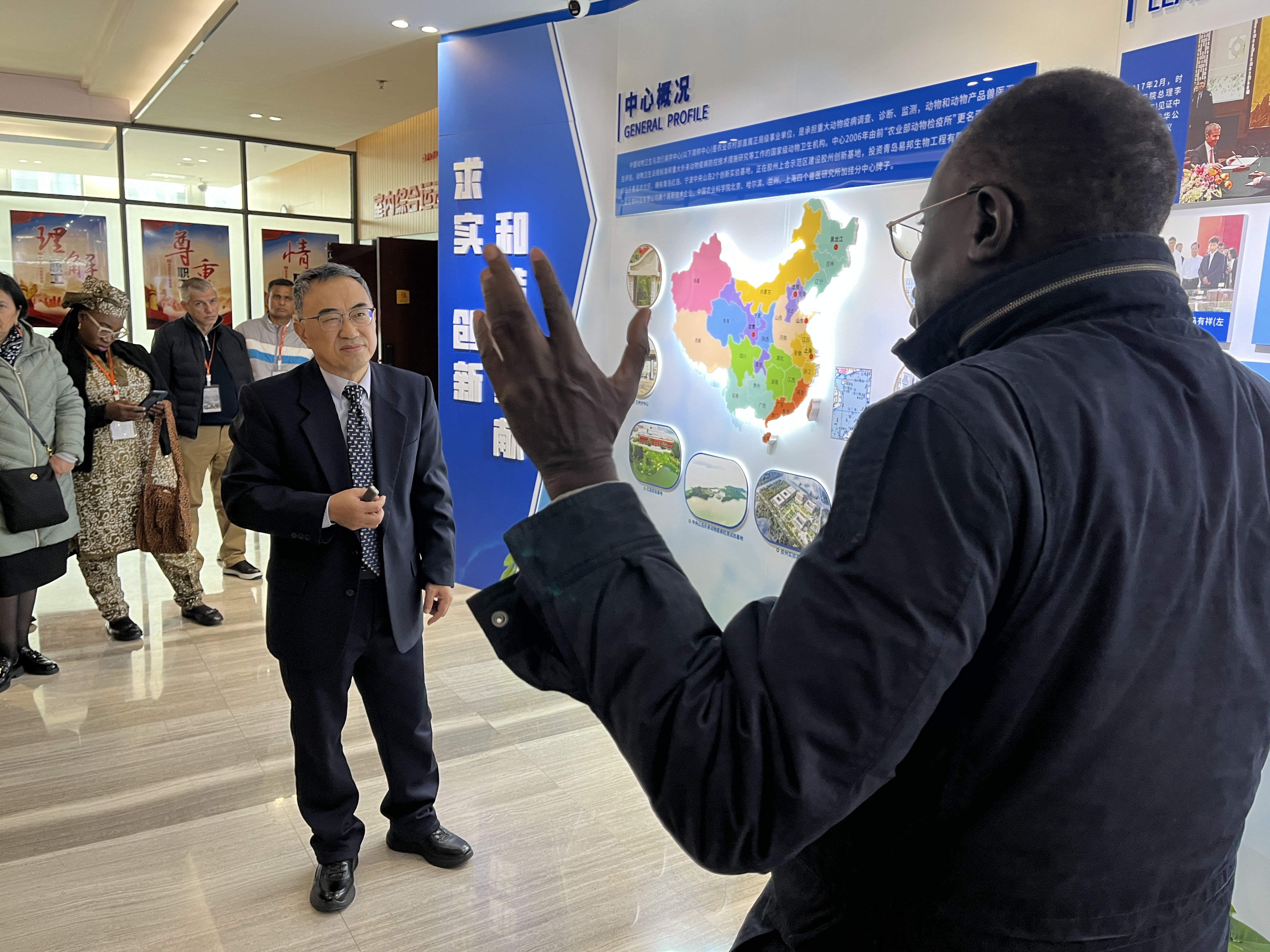
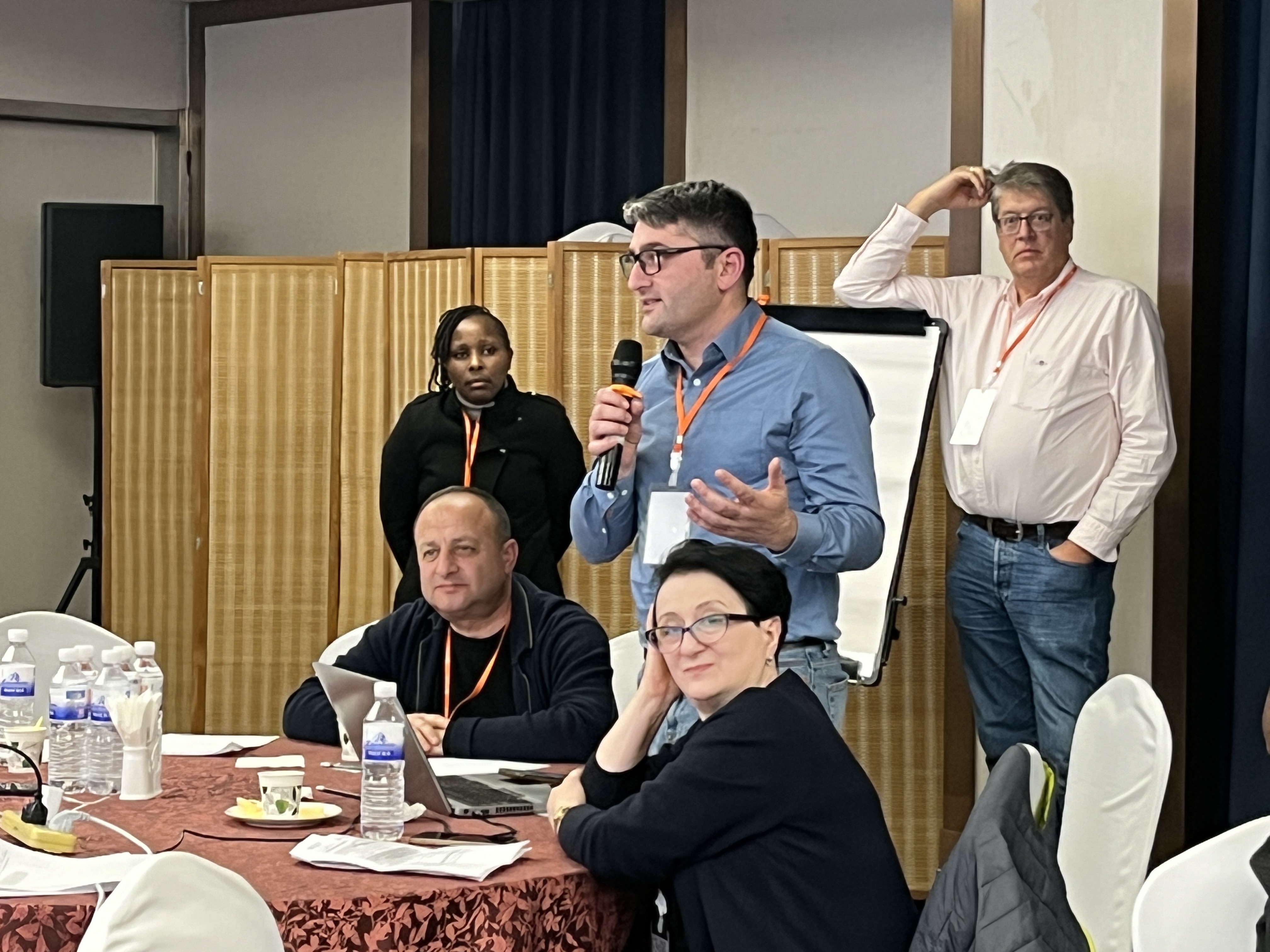
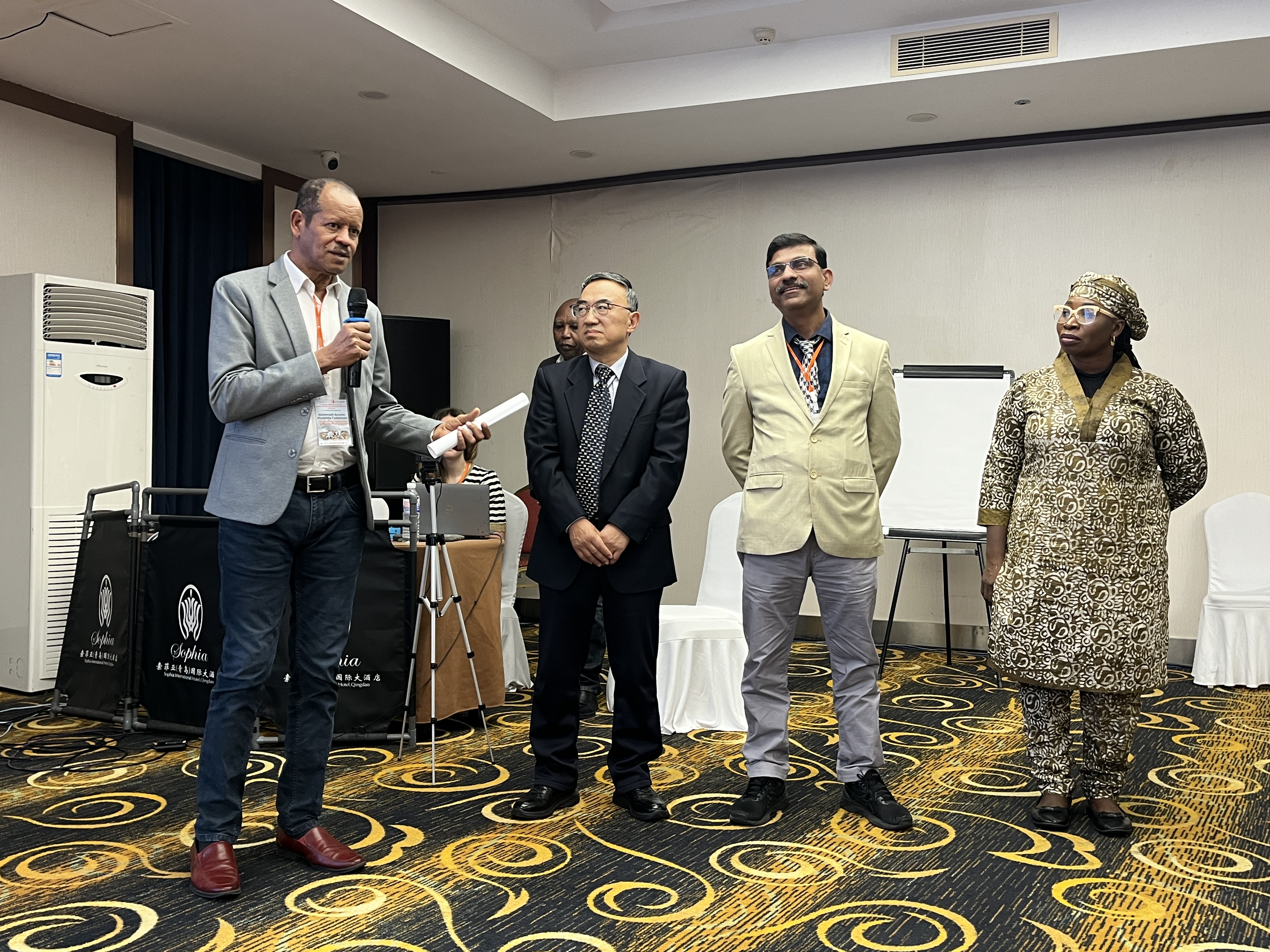
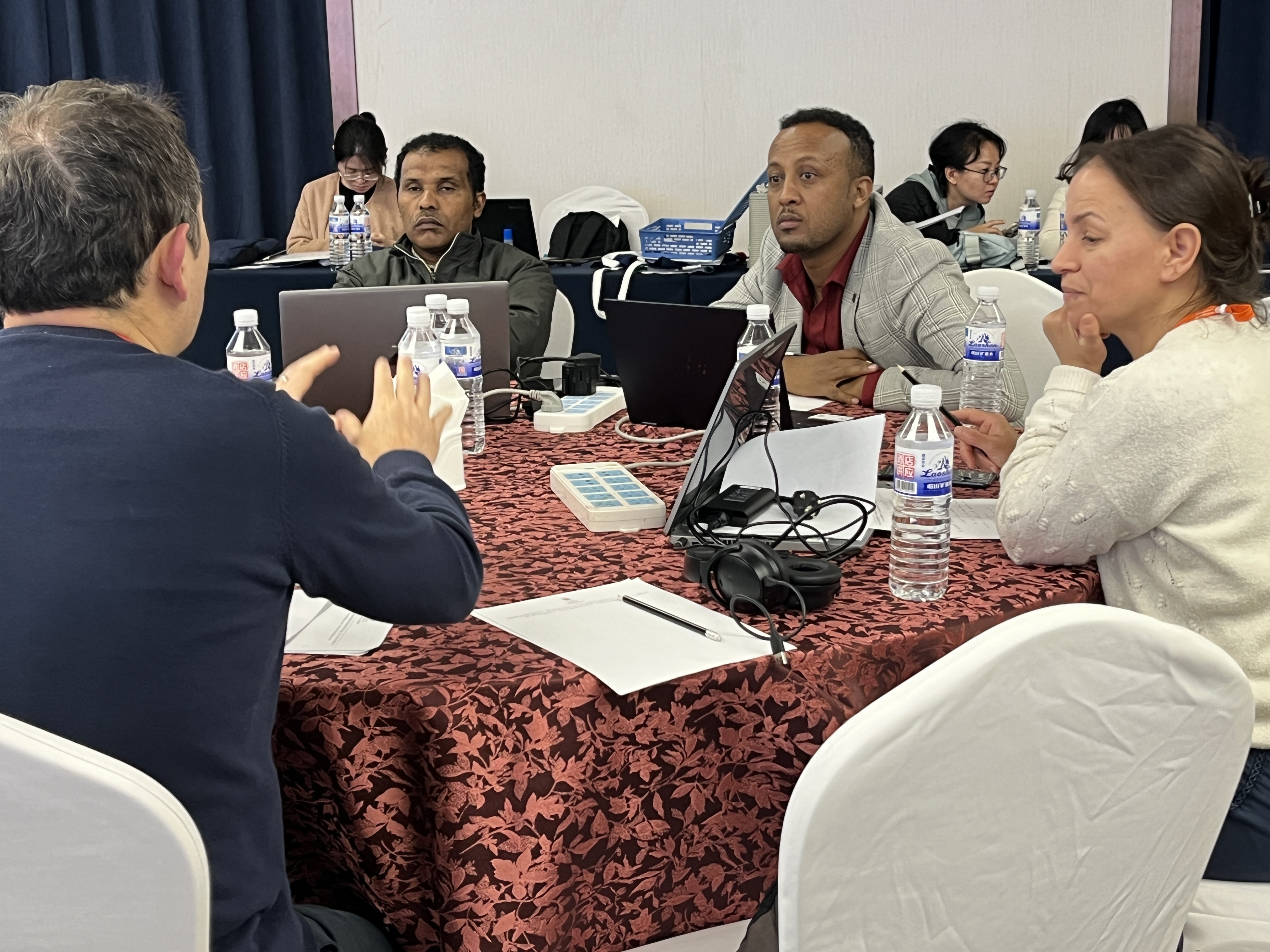
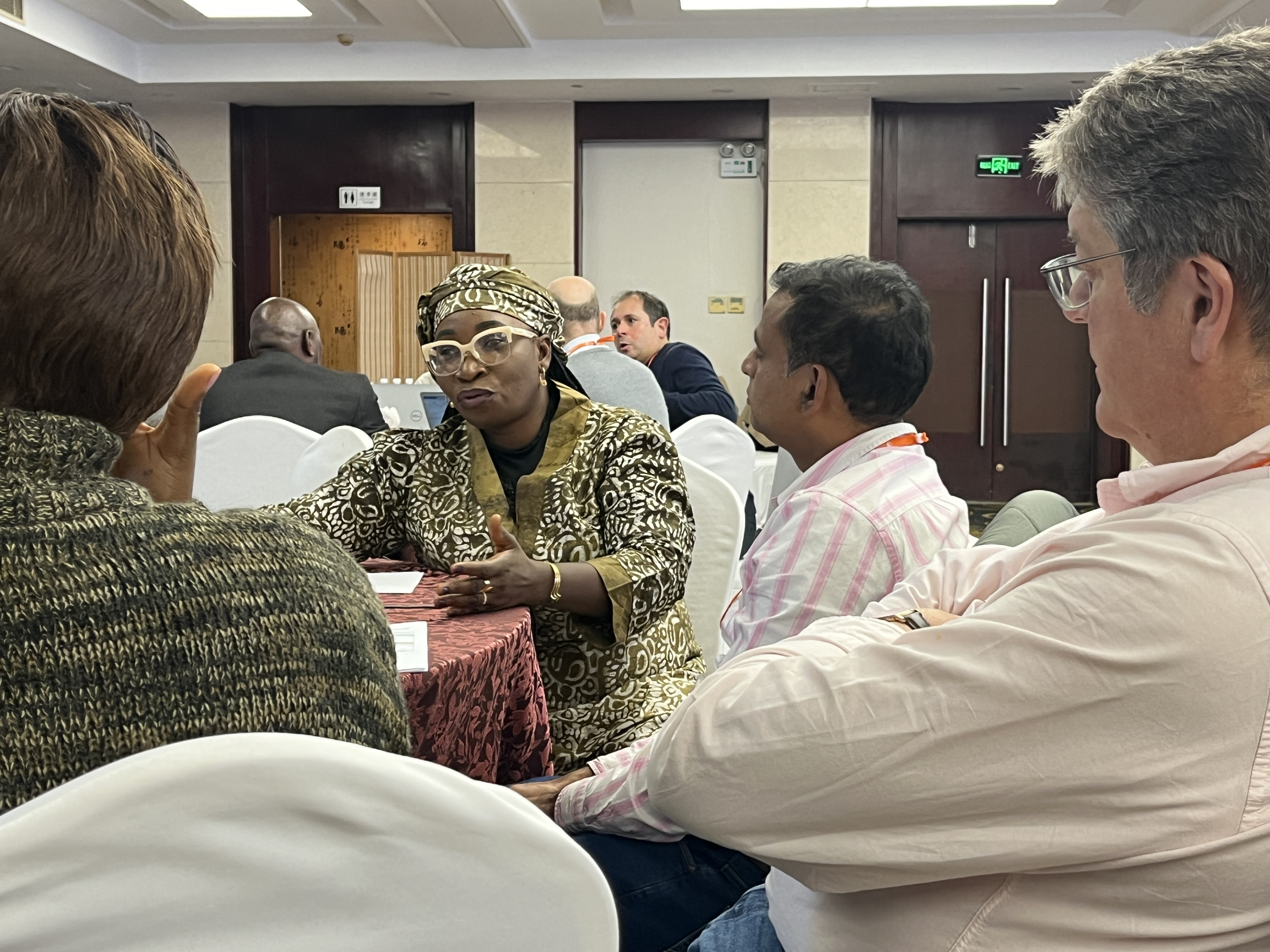
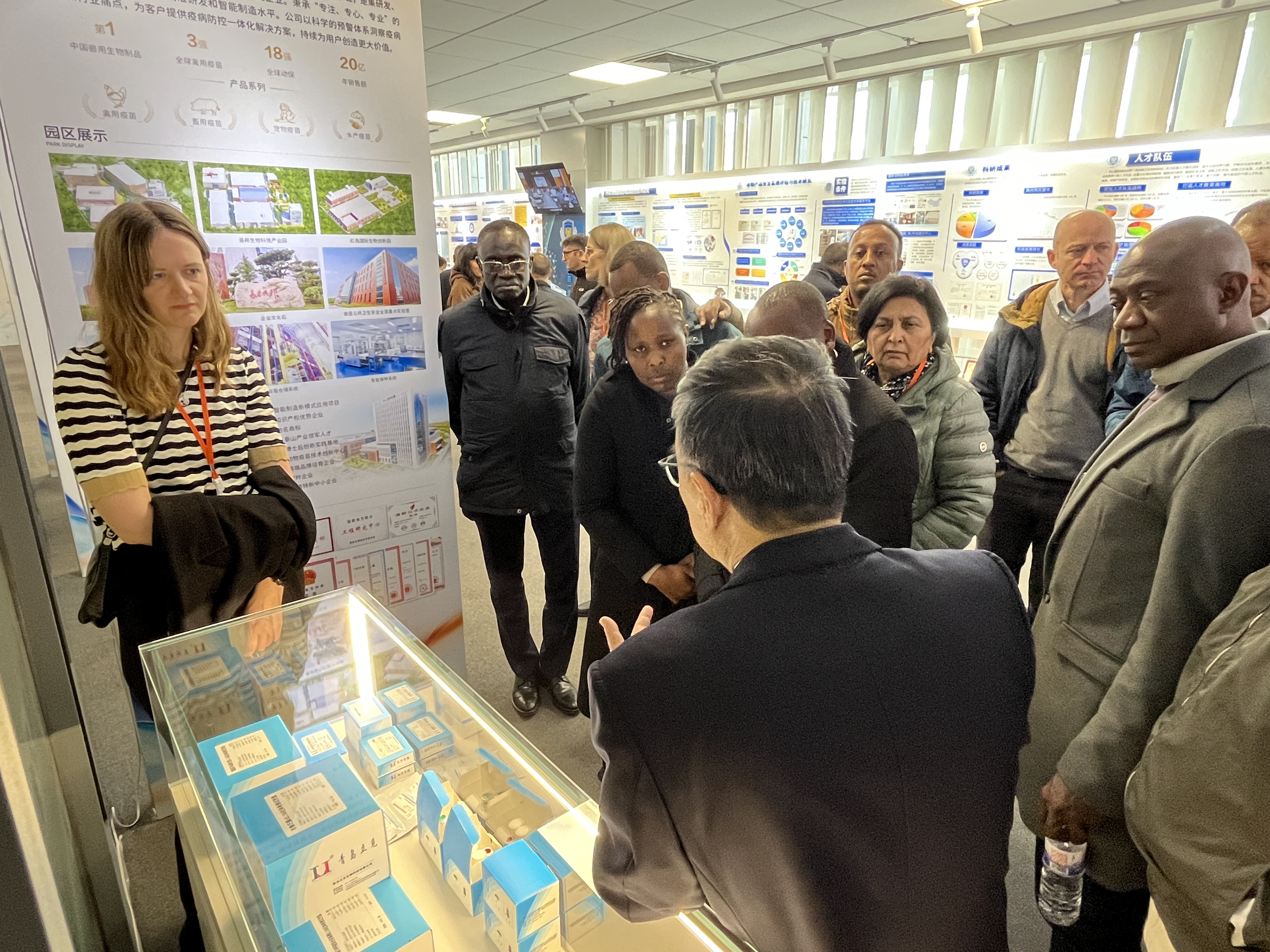
The 8th PPR Global Research and Expertise Network (PPR-GREN) Annual Meeting was held from 25 to 27 November 2025 in Qingdao, China, organised by the World Organisation for Animal Health (WOAH) and the Food and Agriculture Organization of the United Nations (FAO), and hosted by the China Animal Health and Epidemiology Center (CAHEC) in a hybrid format, combining in-person and virtual participation. This meeting marked a decade of progress under the PPR Global Eradication Programme (PPRGEP) and its control strategy, highlighting GREN’s critical role in driving research-based solutions for eradication. It provided a key opportunity to reflect on the network’s impact and to define future strategic priorities for the global PPR eradication agenda.
The event brought together PPR‑GREN members and international partners to review and assess progress, share lessons learned from different regions, and outline research priorities and collaboration pathways for the coming years. Advancing from the 7th Meeting held in Abu Dhabi, the discussions were organized under key thematic areas (listed below), aimed at producing state-of-the-art research and review publications:
The key outcomes of the meeting included the election/re-election of the GREN Bureau under the leadership of Dr Abdelmalik Khalafalla. The technical updates were shared through presentations and panel discussions, providing valuable insights to support the implementation of the PPRGEP Blueprint. In addition, strategic policy priorities were outlined to guide research and eradication efforts over the next one to three years. The bureau will collaborate with members to produce systematic review articles across each thematic area and a meeting report on the proceedings.
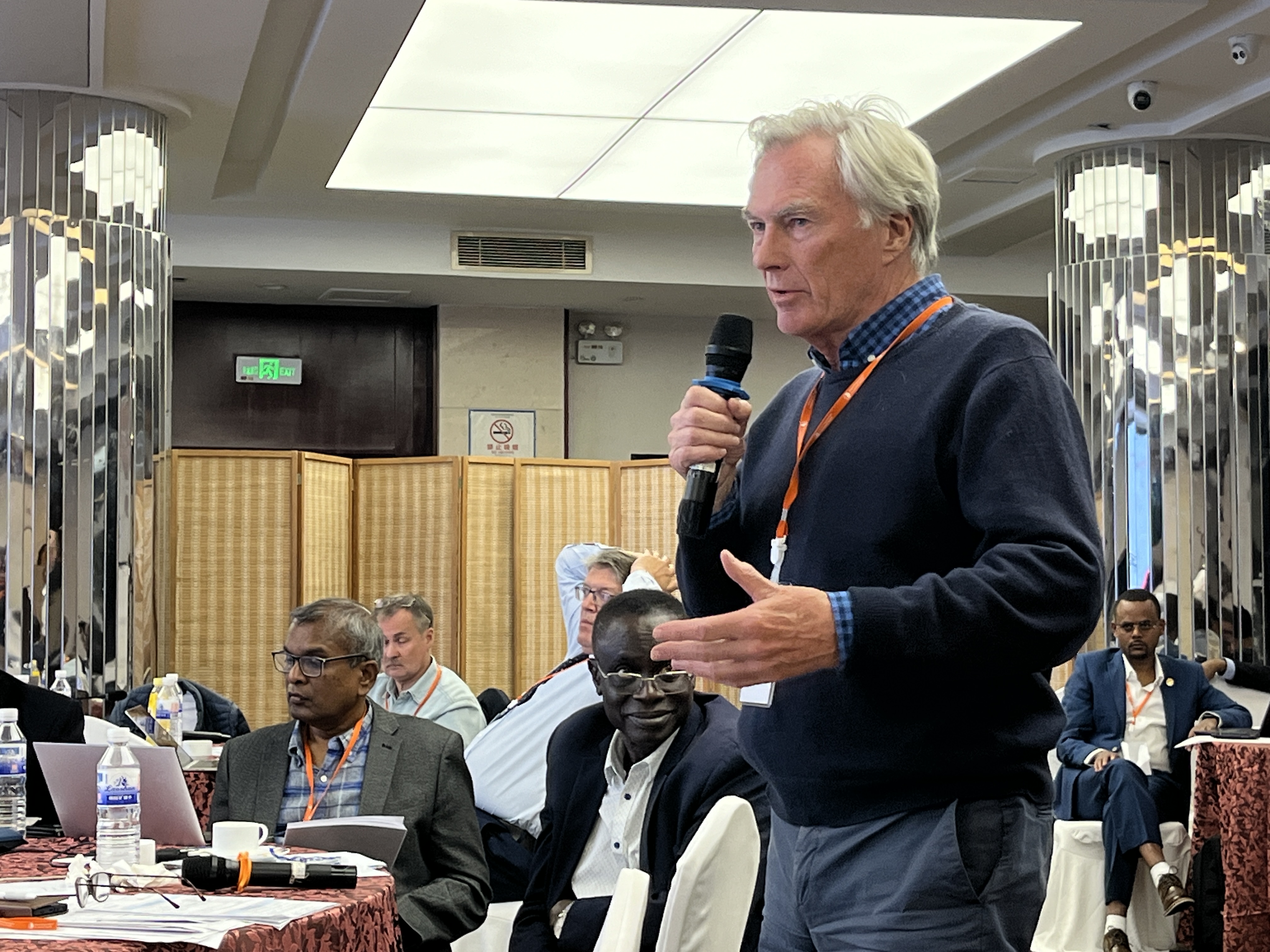
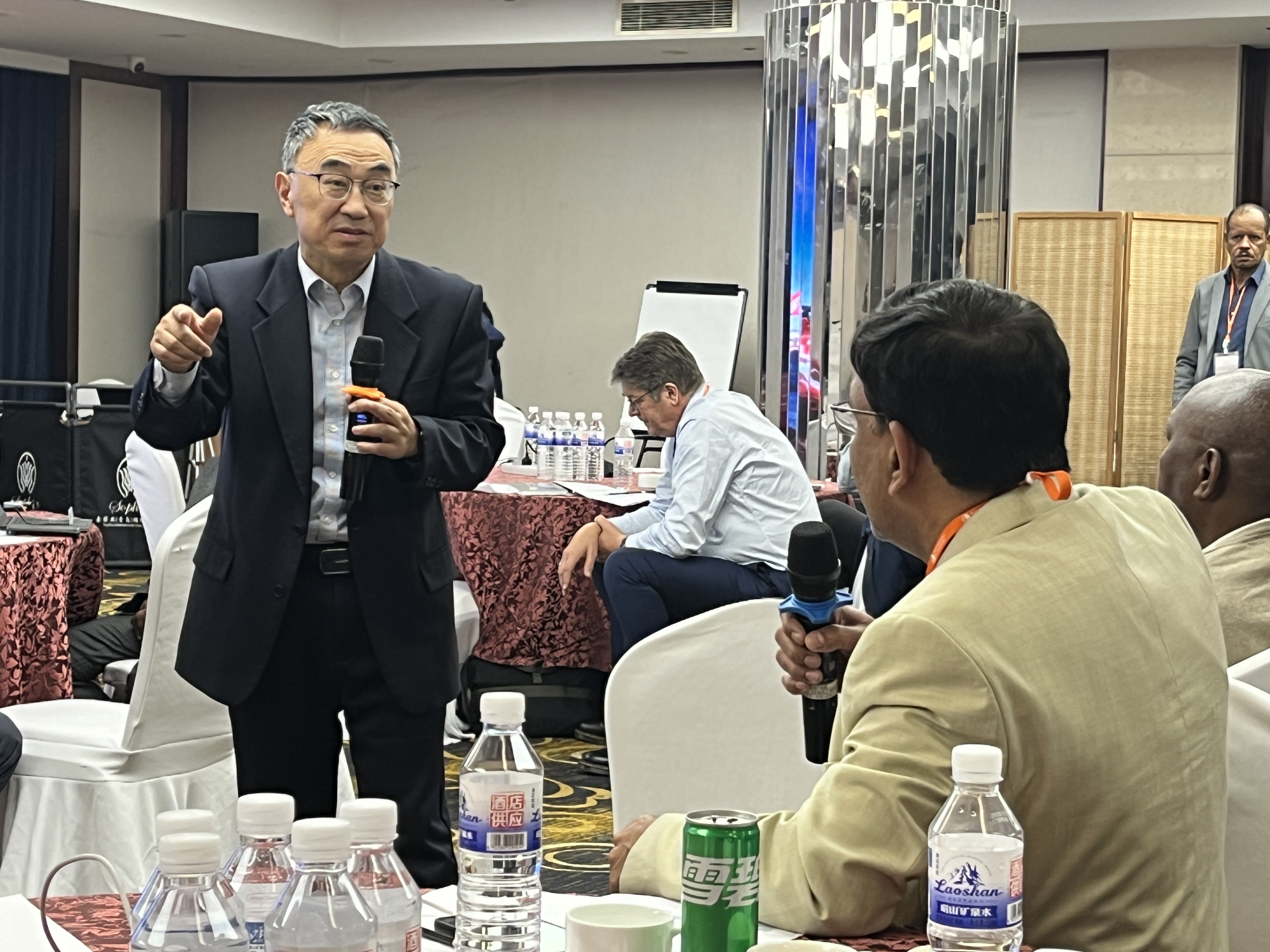
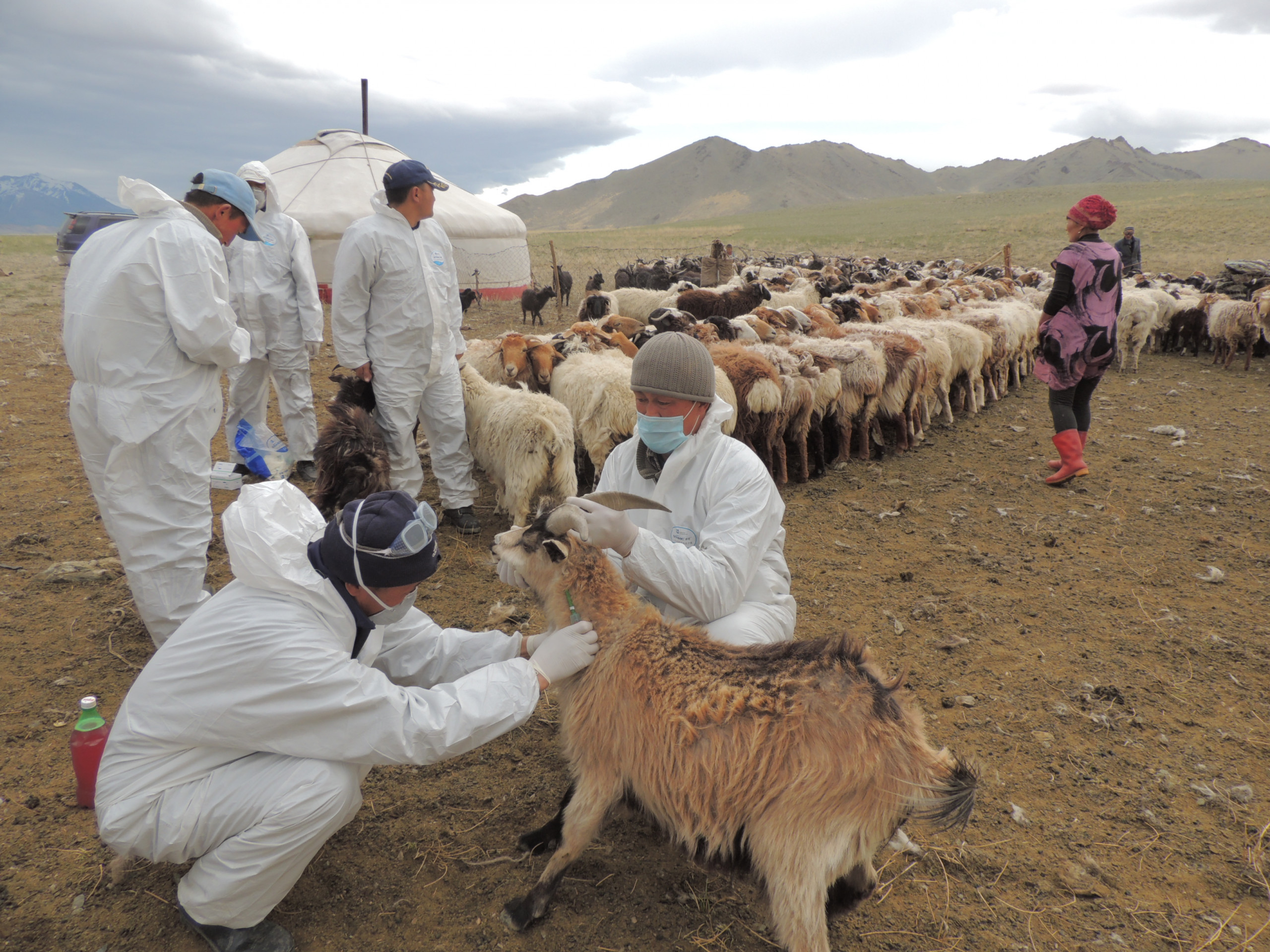
The meeting featured notable sessions, beginning with opening keynote addresses that reaffirmed the global vision of eradicating PPR by 2030 and emphasized the importance of integrated research collaboration. Interactive sessions showcased case studies from diverse regions, highlighting progress in wildlife surveillance programs, vaccination campaigns, and socio-economic impact assessments.
Presentations