


Regional activities
Activities for World Rabies Day in our region in 2026
Read more
Rabies remains endemic in Nepal and continues to pose a serious threat to both animal and human health. Within the government sector, the Department of Livestock Services (DLS) is responsible for rabies prevention and control in animals. Based on disease burden and risk, Sudurpashchim province in Nepal has been identified as a priority area for strengthening rabies surveillance, diagnosis, prevention and control activities.
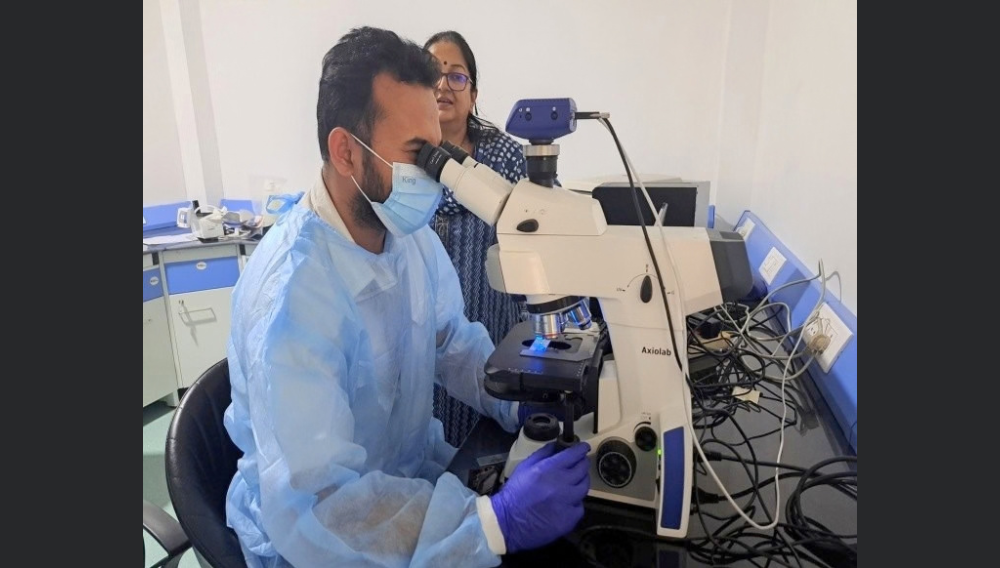
In 18-21 January 2023, Dr Naresh Prasad Joshi, a senior veterinary officer from the Veterinary Laboratory in Dhangadhi, Sudurpashchim province, Nepal, participated in specialised training on rabies diagnosis at a World Organisation for Animal Health (WOAH) Reference Laboratory in Bengaluru, India. Supported by WOAH, the training contributed to strengthening local diagnostic capacity and marked an important step towards improving rabies surveillance in the province.
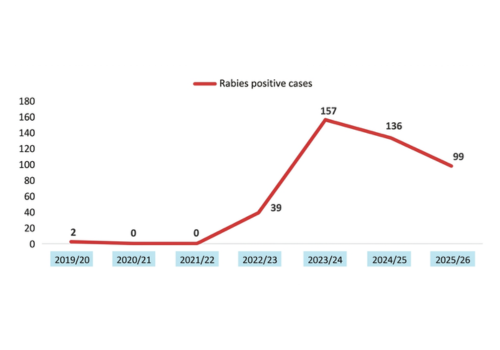
As diagnostic capacity improved, surveillance activities expanded and the number of laboratory-confirmed rabies cases increased. This trend reflected stronger detection and reporting systems, providing policymakers and stakeholders with a clearer understanding of the disease burden. The resulting evidence helped strengthen support for rabies prevention and control efforts at both provincial and national levels.
The experience of Sudurpashchim province demonstrates how investments in laboratory capacity, workforce development, surveillance systems and multisectoral collaboration can contribute to more effective rabies control. This article highlights key activities led by the Veterinary Laboratory, Dhangadhi, in collaboration with government authorities, the Food and Agriculture Organization of the United Nations (FAO), and other stakeholders.
workforce development, surveillance systems and multisectoral collaboration can contribute to more effective rabies control.
Source: Veterinary Laboratory, Dhangadhi, Sudurpashchim Province, Nepal. Annual Progress Reports (FY 2019/20-FY 2025/26). Data compiled from annual laboratory surveillance records on rabies-positive cases.
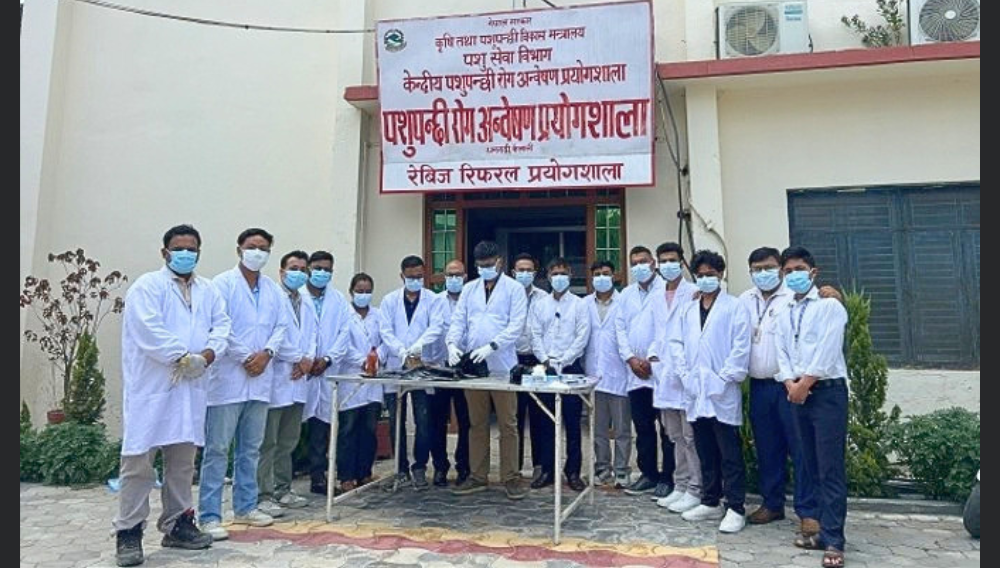
The training received through WOAH support enabled the Veterinary Laboratory, Dhangadhi, to strengthen its rabies diagnostic capabilities significantly. Prior to 2023, laboratory testing was limited primarily to lateral flow assay-based methods. Since then, the laboratory has expanded its capacity to conduct Fluorescent Antibody Tests (FAT) and Polymerase Chain Reaction (PCR) testing, alongside other diagnostic approaches.
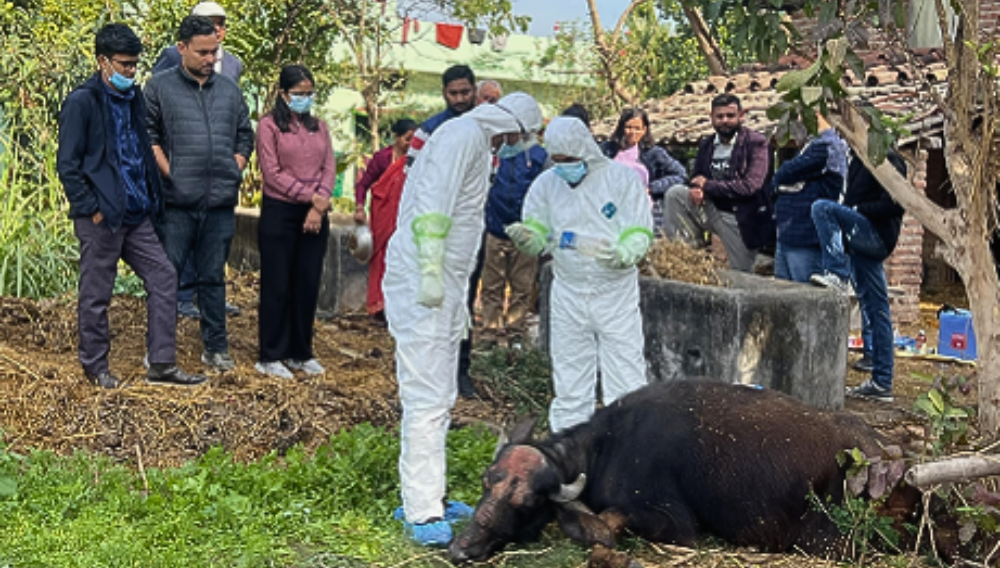
The strengthened laboratory capacity contributed directly to the expansion of rabies surveillance activities across Sudurpashchim province. As more samples were tested and reported, authorities obtained a clearer picture of disease occurrence and distribution, supporting evidence-based decision-making and more effective response measures.
The laboratory has since been designated as Nepal’s National Rabies Reference Laboratory, recognising its growing technical expertise and national role in rabies diagnosis. Its responsibilities now extend beyond animal health, including the testing of human samples for rabies diagnosis, further supporting a One Health approach to surveillance and disease control.
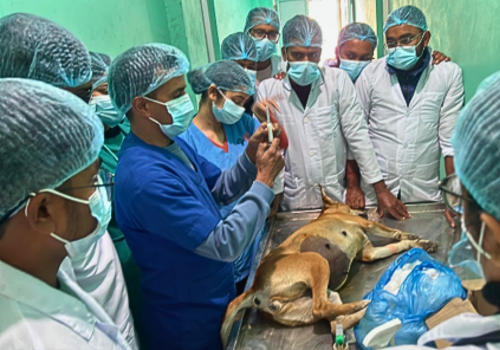
To improve surveillance and strengthen the quality of laboratory diagnosis, the Veterinary Laboratory has prioritised training in safe and appropriate brain sample collection using the occipital foramen approach.
Since 2023, capacity-building activities have been conducted for 26 veterinarians and 350 veterinary paraprofessionals. These trainings have helped improve the quality and availability of diagnostic specimens while strengthening surveillance capacity at the field level.
Following the laboratory’s designation as the National Rabies Reference Laboratory, additional national-level training activities were organised. Twelve veterinarians representing all provinces of Nepal and 12 veterinary paraprofessionals received training in rabies diagnosis and sample collection procedures, helping strengthen technical capacity across the country.
Public awareness is a critical component of rabies prevention and control. In collaboration with partners and stakeholders, the Veterinary Laboratory, Dhangadhi, has implemented a range of awareness and advocacy activities aimed at improving understanding of rabies risks and prevention measures.
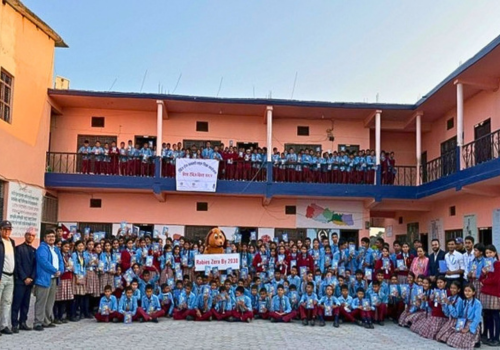
With support from FAO in Nepal and in coordination with the Nepal Veterinary Association, school-based rabies awareness activities have reached approximately 40,000 students across Sudurpashchim Province over the past four years. These activities focus on rabies prevention, bite prevention and management, responsible animal ownership and the importance of seeking timely post-exposure prophylaxis.
The laboratory has also produced a rabies awareness video in Nepali and published a Nepali-language book on rabies. These resources help make information on disease prevention, exposure management and control measures more accessible to a wider audience.
To strengthen stakeholder engagement, the laboratory worked with the Department of Livestock Services and FAO Nepal to organise a National Rabies Control Workshop. The meeting brought together representatives from multiple sectors to discuss rabies surveillance, diagnosis, prevention and control, concluding with the adoption of the Dhangadhi Declaration for Rabies Control.
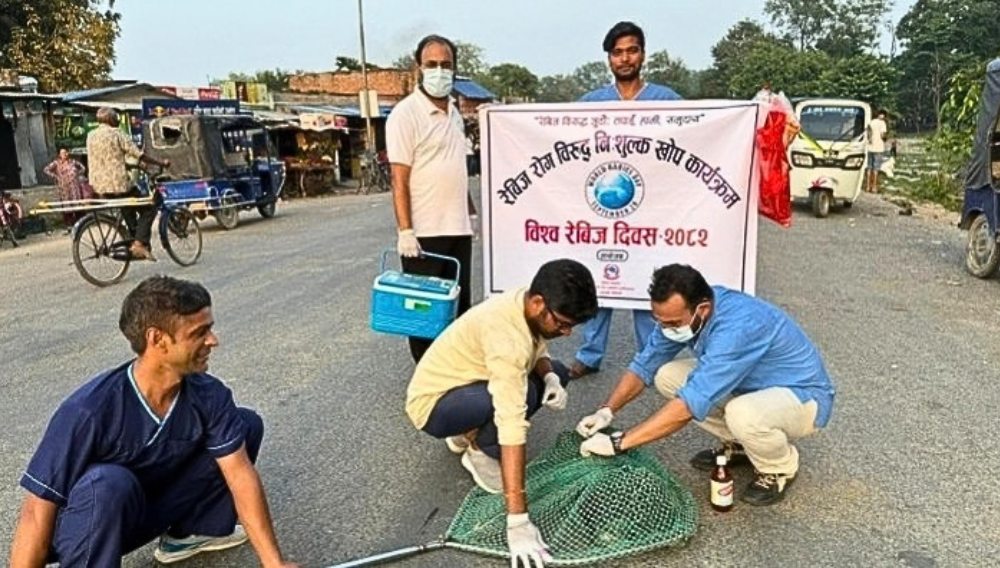
Awareness activities have also been supported through World Rabies Day campaigns and the use of mass media platforms, including radio, television and news programmes, helping extend key public health messages to broader audiences.
The Veterinary Laboratory, Dhangadhi, serves as the provincial rabies vaccine bank. Rabies vaccines provided by the Department of Livestock Services are stored and distributed through the laboratory to support outbreak response activities and vaccination programmes implemented by provincial and local authorities.
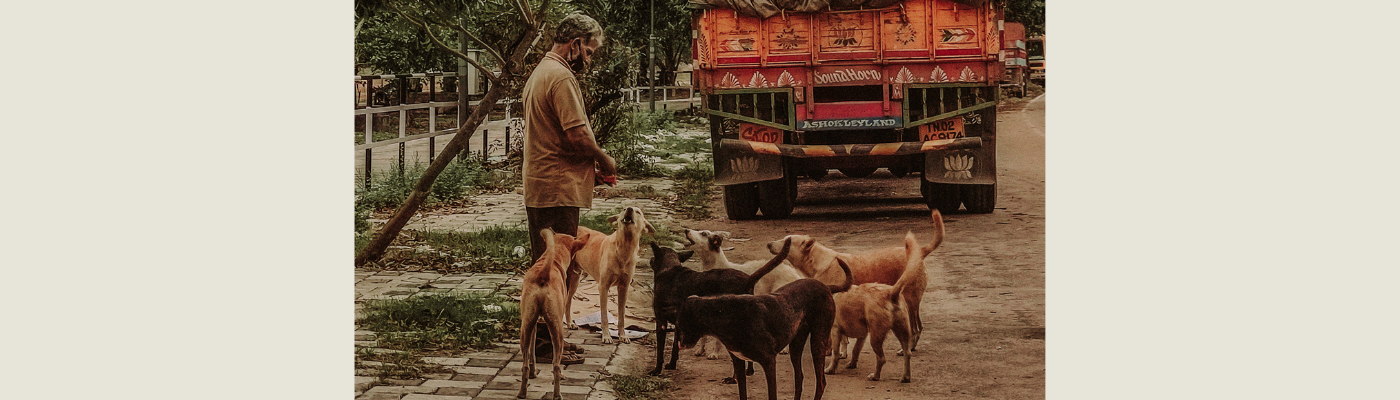
Vaccines are provided free of charge for mass vaccination campaigns, including activities organised in connection with World Rabies Day. The laboratory also collaborates with animal welfare organisations and other stakeholders to support vaccination campaigns targeting community dogs, contributing to the reduction of rabies transmission risks.
The Veterinary Laboratory, Dhangadhi, in collaboration with the Department of Livestock Services and FAO Nepal, has also supported training on animal birth control programmes for veterinarians in Sudurpashchim province.
These activities aim to strengthen technical knowledge and practical skills for implementing humane and effective animal population management measures, complementing broader efforts to control rabies in dog populations.
The experience of the Veterinary Laboratory, Dhangadhi, highlights the importance of strong diagnostic systems, effective surveillance, workforce development, public awareness and multisectoral collaboration in addressing rabies. Support from WOAH and FAO Nepal has helped strengthen technical capacity and surveillance systems in Sudurpashchim province while contributing to national rabies control efforts.
Continued investment in these integrated One Health approaches will be important for sustaining progress and expanding successful interventions to other parts of the country. By building on these achievements, Nepal is better positioned to advance towards the global goal of zero human deaths from dog-mediated rabies by 2030.