
Regional
Rabies
Read more
Rabies is endemic in Sri Lanka with dog-mediated rabies being the primary source of rabies for humans. In the 1970s, Sri Lanka experienced over 300 human rabies deaths annually. Over the decades, Sri Lanka has implemented various strategies including provision of human post-exposure prophylaxis (PEP), animal vaccinations, decentralizing control efforts, trialling oral bait vaccines, and introducing auto vaccination devices to improve mass dog vaccination coverage. The annual number of human deaths has decreased by more than 90% to less than 25 cases per year. In 2025, there were 14 human rabies deaths.
A joint external review mission in September 2025 led by the World Health Organization (WHO) and supported by the World Organisation for Animal Health (WOAH) and other stakeholders made recommendations to implement quality mass dog vaccination (MDV) programme and strengthen animal rabies surveillance as per WOAH guidelines and standards.
As free-roaming dogs form the bulk of the high-risk population in Sri Lanka, it is of paramount importance for the agencies leading MDV campaigns to ensure that the free-roaming dogs are covered well in the vaccination program besides the pet population. To mount an effective and quality MDV, it is important to understand the dog ecology including dog population estimation, socio-cultural practices, proper planning, coordination, implementation and monitoring.
It is also important to ensure that animal rabies cases are investigated and that field staff are competent in collecting animal brain samples, preserved and transported to the nearest laboratory for diagnosis. Veterinarians and laboratory diagnosticians should also be competent in using diagnostic tools for rapid diagnosis of animal rabies and systems should be put in place for recording and reporting of cases from field to national level and further sharing with human health and other relevant stakeholders for multisectoral action. Currently, there is very limited capacity for animal rabies diagnosis on the ground in Sri Lanka.
Therefore, WOAH RRAP conducted these three back-to-back training of trainers on MDV and animal rabies diagnosis to build capacity amongst the key stakeholders working on animal rabies control in Sri Lanka.
A series of training of trainers (ToT) on mass dog vaccination (MDV) and rabies diagnosis was conducted at Kandy, Sri Lanka from 2-12 February 2026 with the objectives to:
For MDV
For rabies diagnosis
The MDV trainings were organized by WOAH Regional Representation for Asia and the Pacific (RRAP) jointly with Mission Rabies (MR) of Worldwide Veterinary Services (WVS), an NGO based in the United Kingdom with support of the Department of Animal Production and Health (DAPH), Government of Sri Lanka. Mission Rabies took the lead in conducting the hands-on training. The rabies diagnosis training was led by the WOAH Reference Laboratory (RL) for Rabies in India based at the Karnataka Veterinary Animal and Fisheries Sciences University (KVAFSU) with support of DAPH and University of Peradeniya (UoP).
MDV training
The MDV training was divided into two parts – the first part (2-4 February) focusing on the professionals working on rabies control in terms of planning, coordination, implementation and monitoring of rabies prevention and control activities at national, provincial and district levels. Twenty-nine participants representing animal health and human health sectors working in different parts of Sri Lanka attended the training. The training was intended to build a critical mass of competent professionals who could further train other staff subsequently on MDV tools and practices, principles, concepts, and methods.
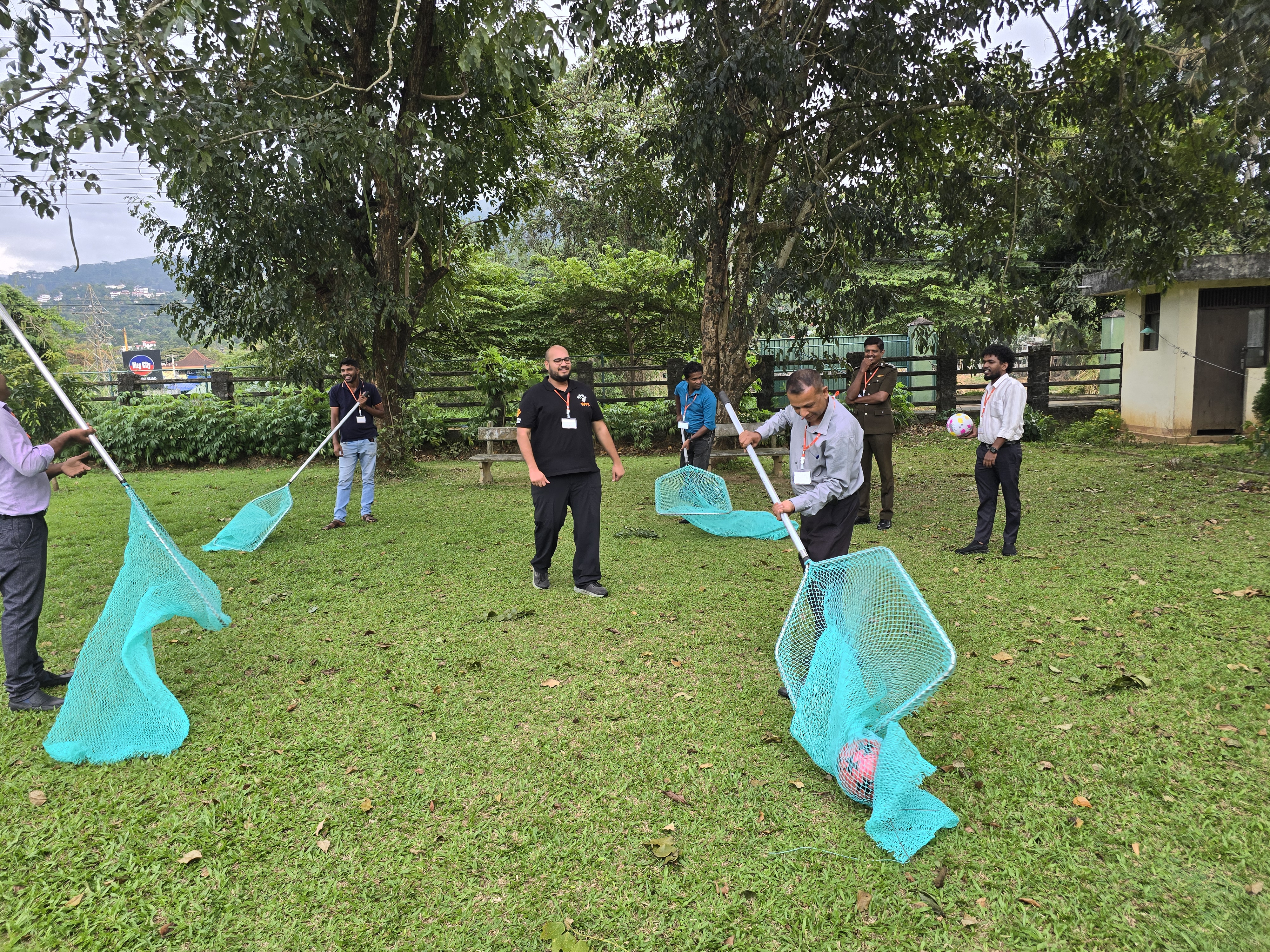
The second part of the MDV training (5-6 February) was targeted at the dog vaccinators, public health inspectors and field assistants from animal and human health sectors who were provided hands-on training on essential elements of vaccine handling, practical skills in vaccination, dog handling skills, dog catching skills, communication and education. Twenty-five participants representing municipal, district, and provincial government sectors as well as private animal welfare groups working on dog vaccination and dog sterilization attended the training.
Rabies diagnosis training
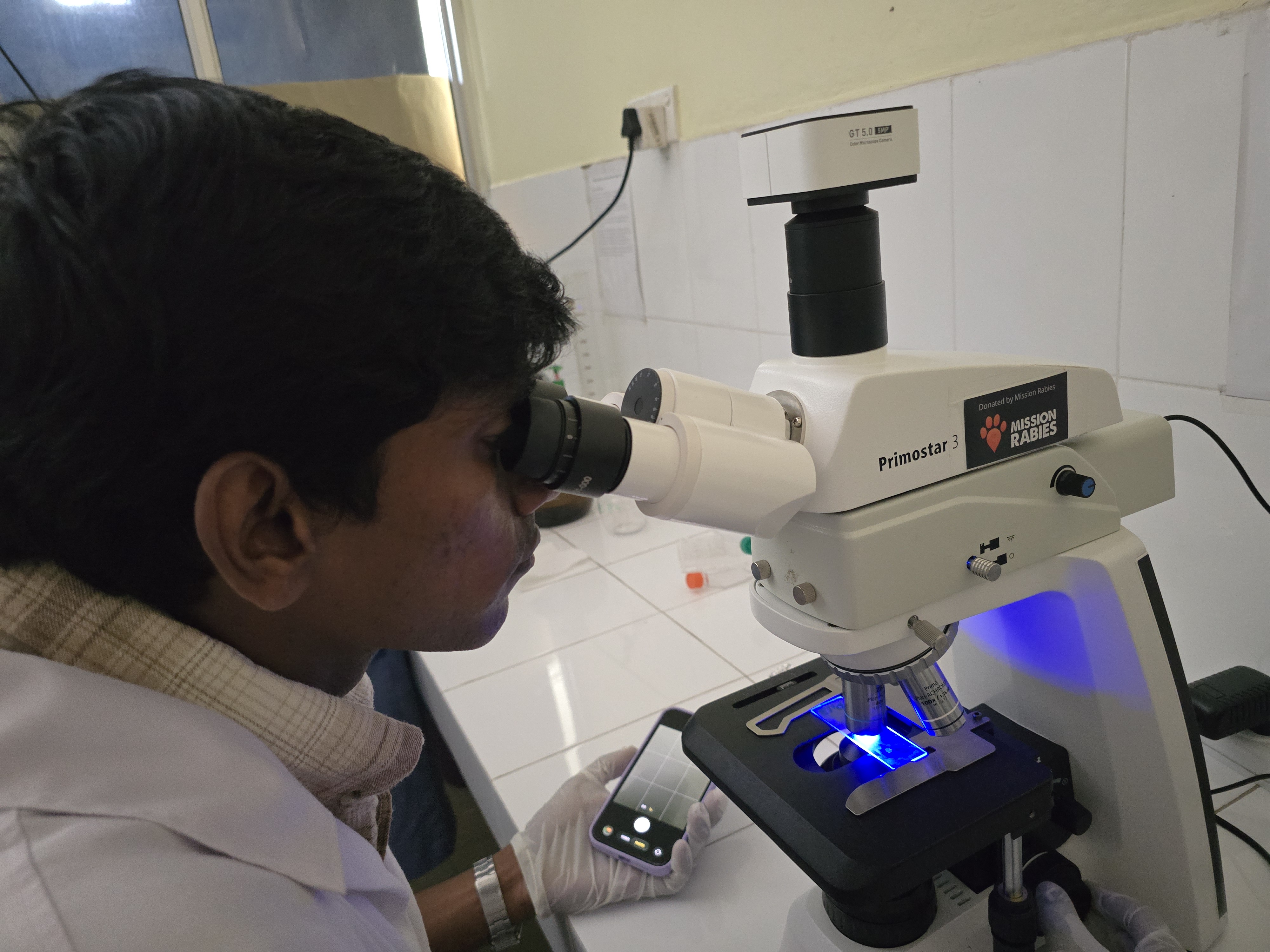
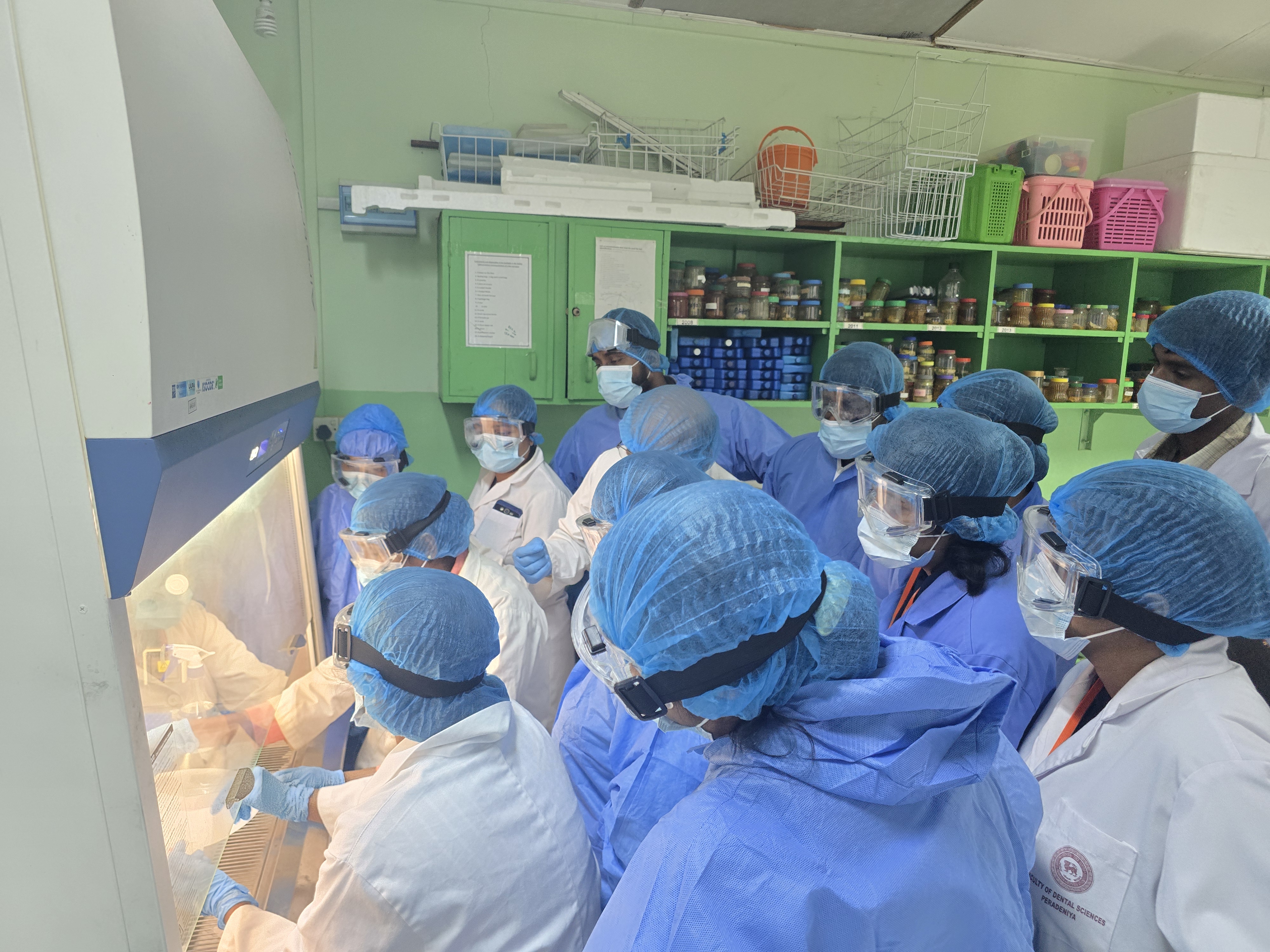
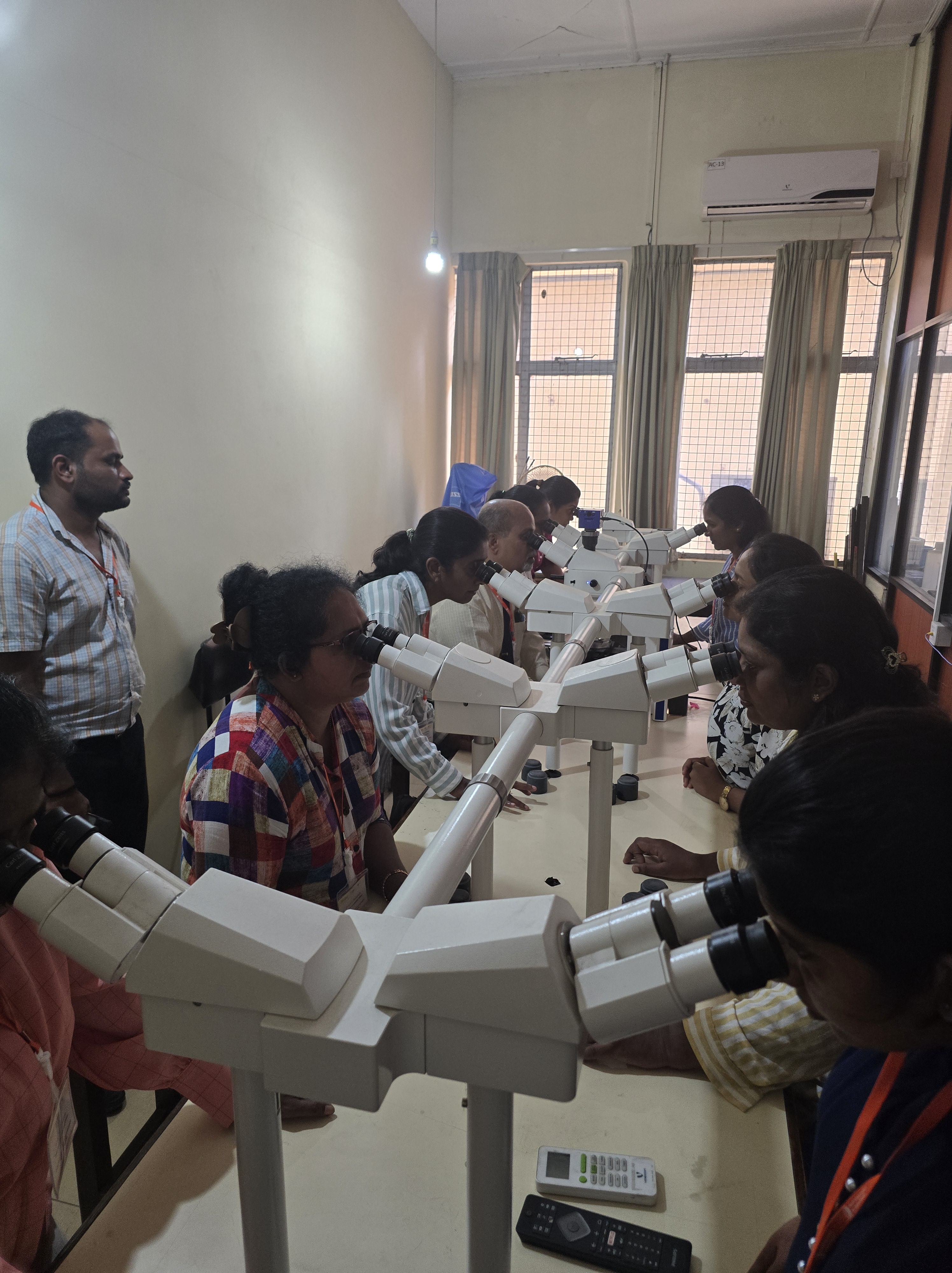
Twenty-six veterinarians from the Veterinary Investigation Centres (VICs), Veterinary Research Institute under Department of Animal Production and Health (DAPH), Public Health Veterinary Services (PHVS) under Ministry of Health, and University of Peradeniya (UoP) were provided hands-on training on the use of occipital foramen animal brain sampling, lateral flow immunoassays, direct fluorescent antibody tests (DFA), direct rapid immunohistochemistry (DRiT) and molecular tests. Practical training was provided using the laboratory facilities at the UoP.
Trainers
Six experts from Mission Rabies/Worldwide Veterinary Service provided the training on MDV using theory and on-site practical on MDV tools and methods. Two experts from the WOAH RL on Rabies in India imparted the training on rabies diagnostic tools.
These three back-to-back trainings are expected to enhance the capacity of the key stakeholders in Sri Lanka to mount effective MDV campaigns covering high-risk areas and enhance active surveillance of animal rabies thus contributing to generation of quality data on rabies prevalence and distribution.
Agenda: Training workshops on MDV, dog handling, management and vaccination (2-6 Feb 2026)
Agenda: Rabies diagnosis training (9-12 Feb 2026)
Hands-on training on direct fluorescent antibody test
Demonstration of sample processing
field practice in using nets for catching dogs
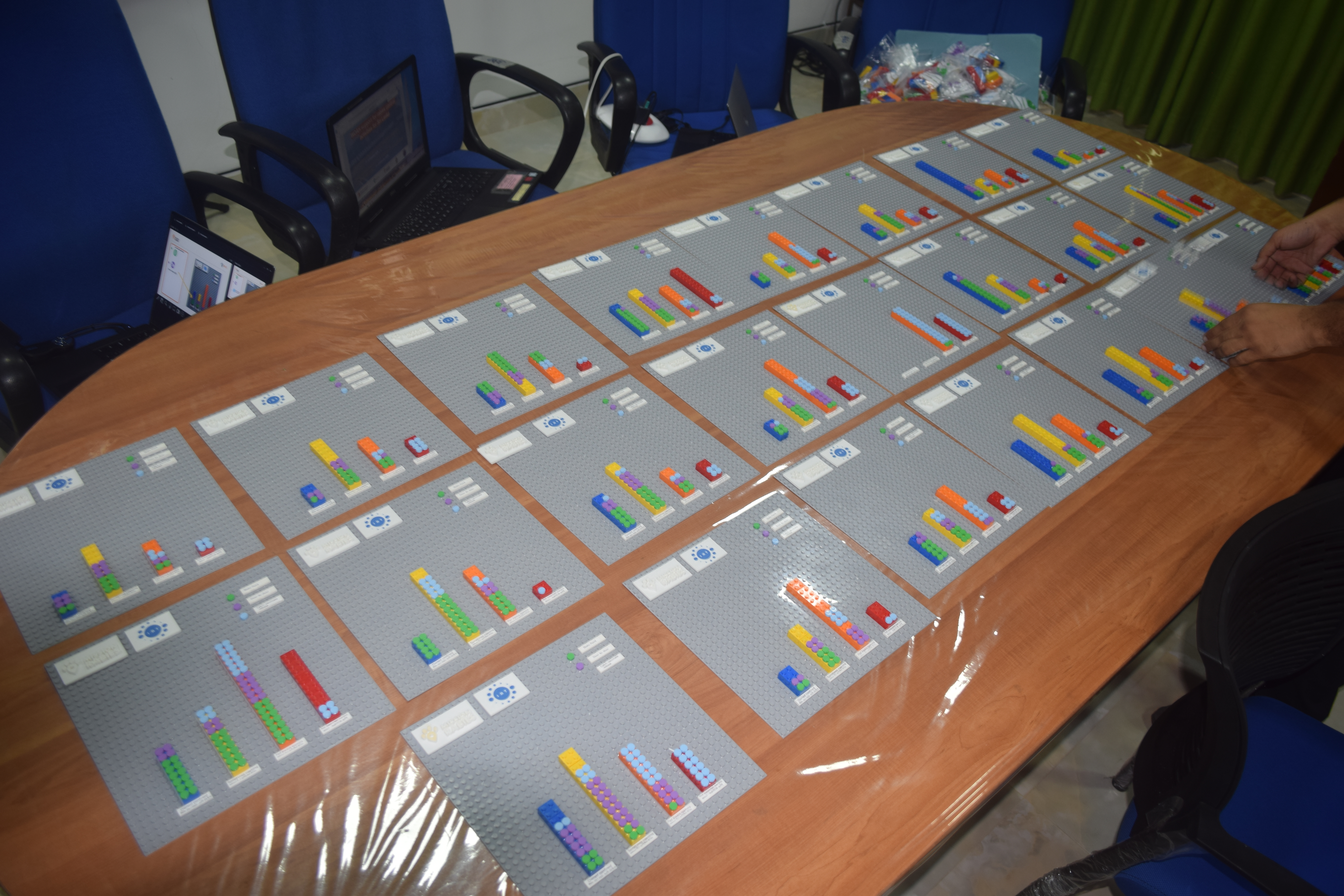
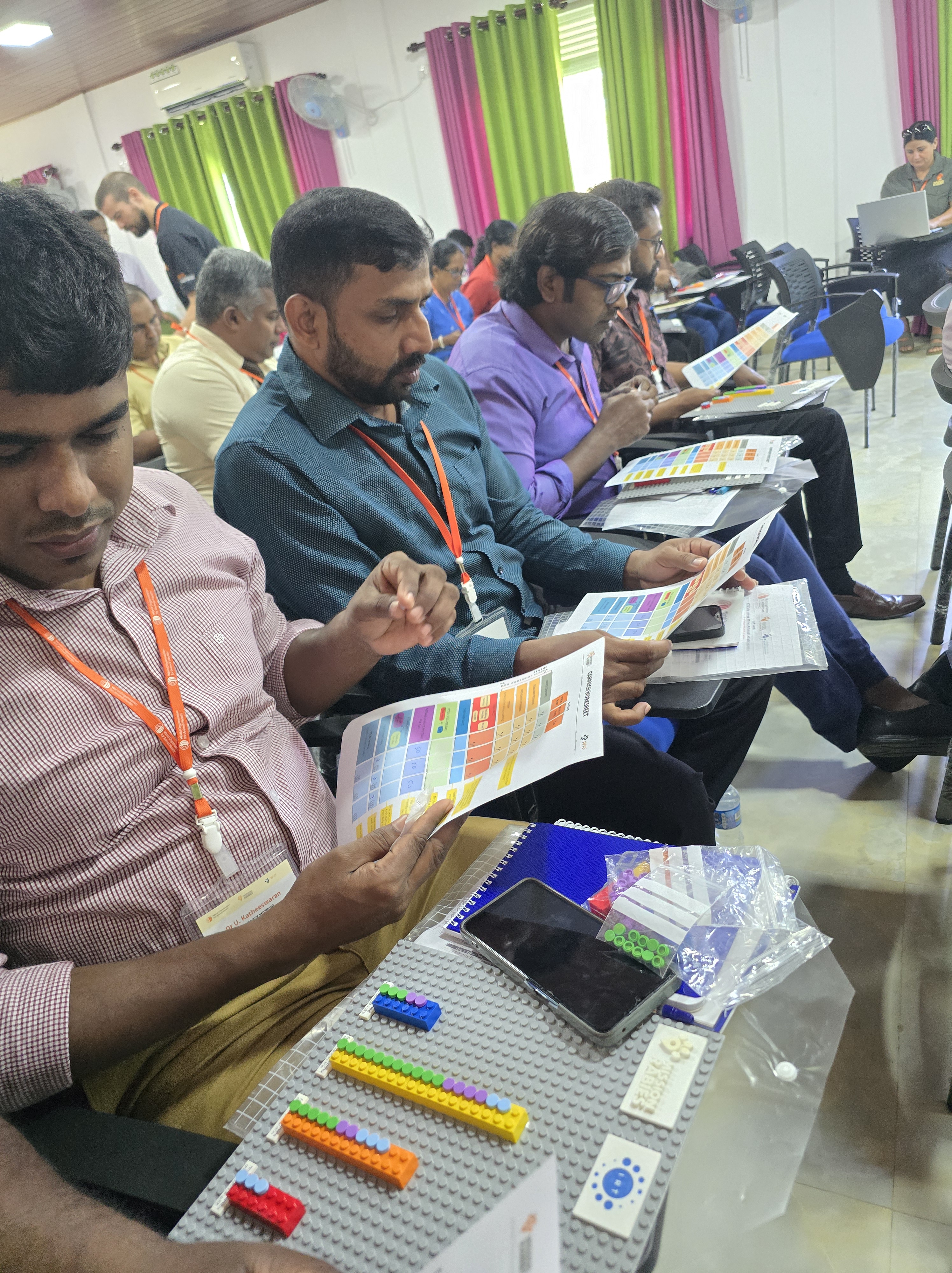
Use of Lego materials to demonstrate dog population profile and vaccination methods for each category of dogs
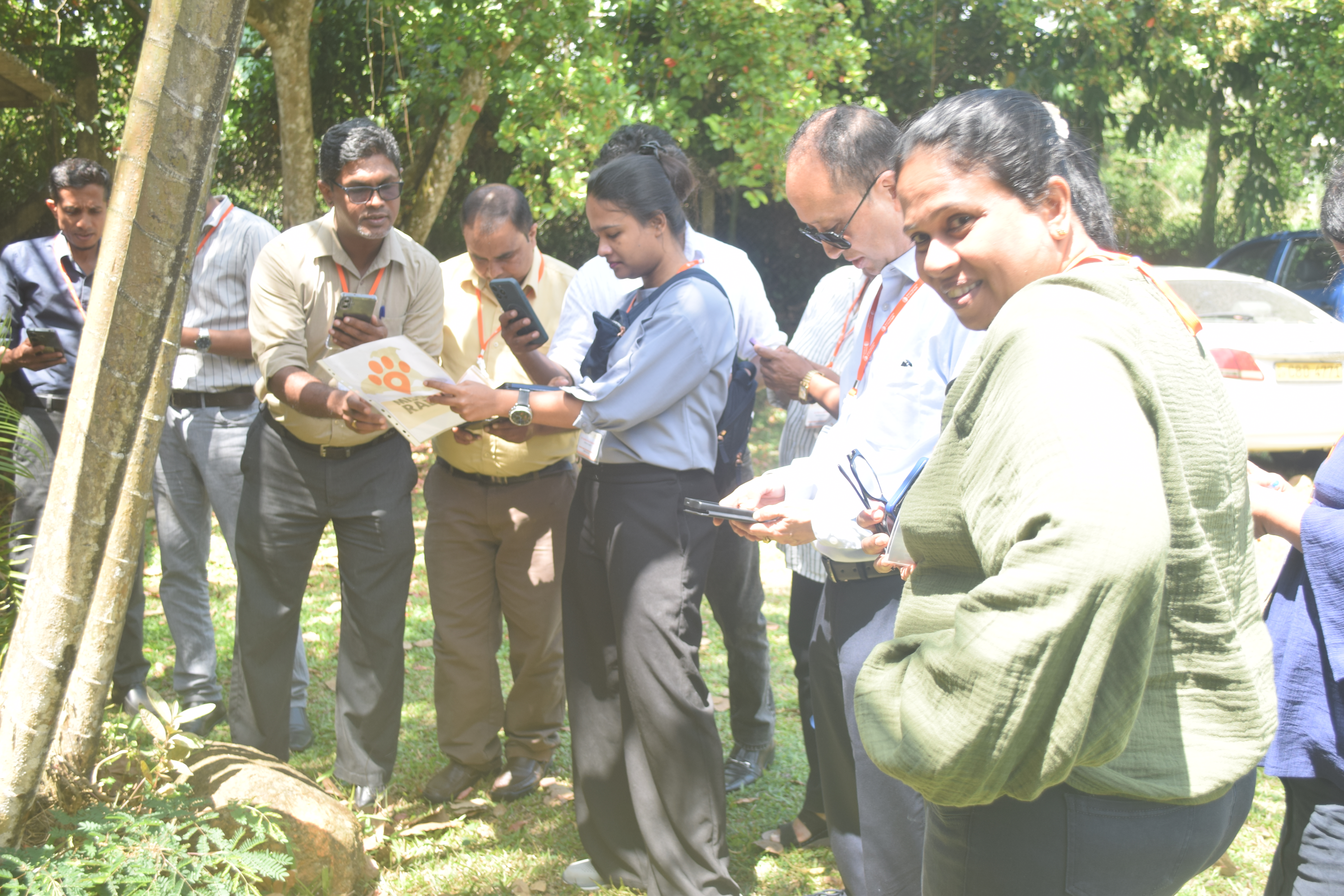
hands-on practice for vaccination data entry into WVS app
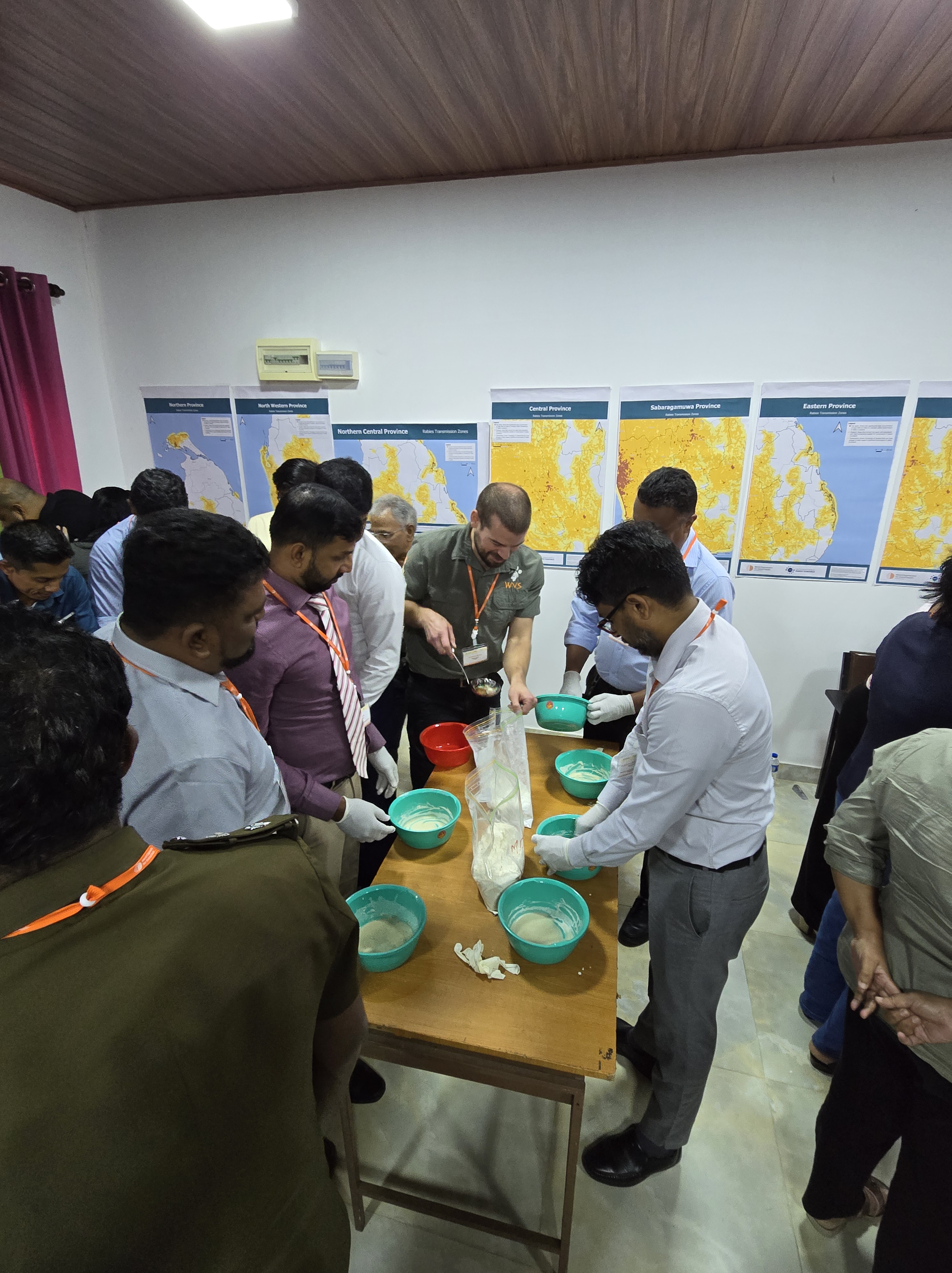
experimenting with dough to appreciate issues associated with dog population
Participants have a go with the Lego materials
joint viewing of rabies positive slide using DRiT