Wildlife Health
Wildlife Health in Asia & the Pacific
Read more
The World Organisation for Animal Health (WOAH), through its Regional Representation for Asia and the Pacific, conducted a wildlife health stakeholder mapping survey in Asia and the Pacific in 2026 to improve understanding of stakeholders involved in wildlife health, their expertise and capacity, priority needs, and opportunities for regional collaboration.
The survey has now closed. Thank you to everyone who contributed.
A total of 39 responses were included in the final analysis, representing stakeholders based in 20 countries and territories across Asia and the Pacific. The findings provide a snapshot of participating stakeholders and will help inform future regional wildlife health activities and networking.
Key findings
Respondents reported substantial experience and access to expertise across wildlife health disciplines, particularly in wildlife disease surveillance, zoonotic diseases, diagnostics and One Health.
There was also a strong interest in collaboration. 90% of respondents were willing, or potentially willing depending on the topic and available resources, to share their experience and capacity through a wildlife health network. Strengthening surveillance and information sharing, knowledge exchange and capacity development were among the main purposes identified for such collaboration.
Respondents identified a broad range of priorities for strengthening wildlife health. These included funding for wildlife health surveillance and research, stronger integration of wildlife health into One Health approaches, training and capacity building, diagnostics, communication and cross-sectoral coordination.
When asked where support from WOAH and other partners could be useful, networking and collaboration opportunities were most frequently selected (69%), followed by technical guidance and standards (62%) and training and capacity building (59%).
Respondents also highlighted the importance of communication and information exchange – by email, workshops, conferences and webinars.
These findings will be used to support future regional and sub-regional wildlife health activities, including efforts to connect stakeholders, mobilise existing expertise and strengthen collaboration across animal health, public health, wildlife and conservation sectors.
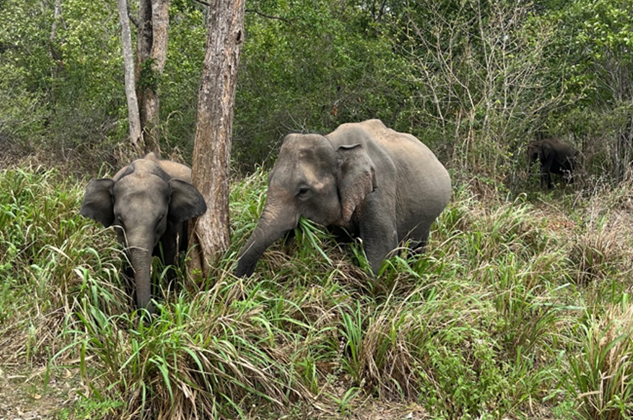
Photo courtesy of Lesa Thompson. Wild Asian elephants (Elephas maximus), Sri Lanka.