Regional activities
Veterinary Workforce Development
Read more
The World Organisation for Animal Health (WOAH) played a prominent role at the 41st World Veterinary Association Congress (WVAC 2026), held in Tokyo from 21 to 24 April 2026. Through high‑level engagement, technical sessions, and outreach activities, WOAH highlighted its commitment to strengthening animal health systems, advancing One Health implementation, and supporting the veterinary profession across Asia and the Pacific.
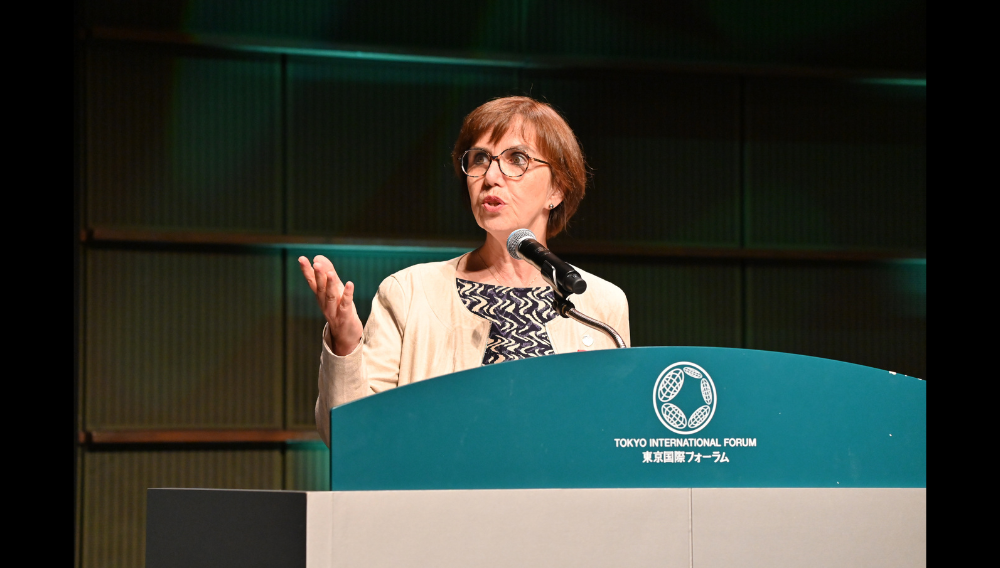
WOAH Director General Dr Emmanuelle Soubeyran delivers the keynote address at the World Veterinary Association One Health Summit at WVAC 2026.
WOAH’s Director General delivered the keynote address at the World Veterinary Association One Health Summit at WVAC 2026, emphasising that wildlife health must be fully integrated into the human–animal–environment interface to effectively prevent disease emergence and spread. Against a backdrop of increasing ecosystem change and intensified interactions among wildlife, livestock and people, the address underscored the need for stronger wildlife surveillance, risk‑based management approaches, and cross‑sectoral collaboration.
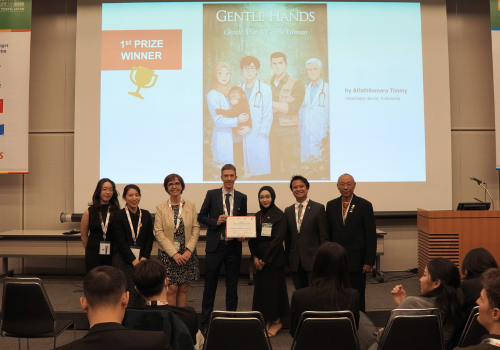
Award ceremony of the WOAH GEDSI session at WVAC 2026.
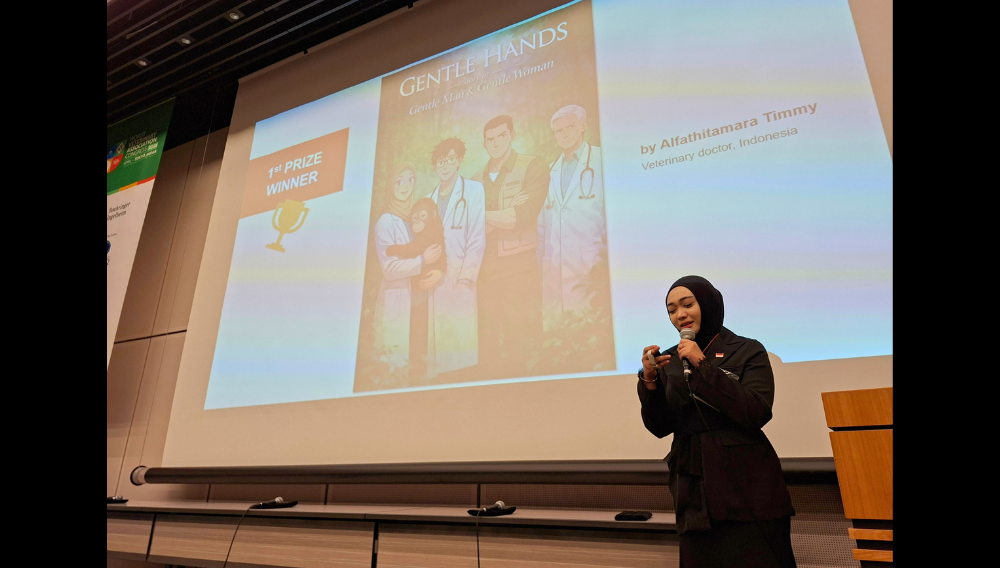
During the Congress, the Director General also opened a dedicated session on Gender Equality, Disability and Social Inclusion (GEDSI) in the veterinary sector, highlighting that inclusive and representative veterinary services are fundamental to effectiveness, trust and sustainability. The session, organised with key regional partners FAVA, AAVS and IVSA Asia-Pacific and their networks, contributed to advancing dialogue on diversity and inclusion as core components of resilient animal health systems. The session concluded with the award ceremony of the WOAH GEDSI Comics Competition, a successful initiative which brought veterinary professionals and students from the whole Asia to present inspiring artworks on how they envision inclusive veterinary services.
On the sidelines of WVAC 2026, WOAH leadership met with senior representatives of the Ministry of Foreign Affairs (MOFA), Ministry of Environment (MoE) and the Ministry of Agriculture, Forestry and Fisheries (MAFF) of Japan, including State Ministers, a Parliamentary Vice-Minister, and the Chief Veterinary Officer, reaffirming Japan’s important role in advancing animal health at national, regional and global levels.
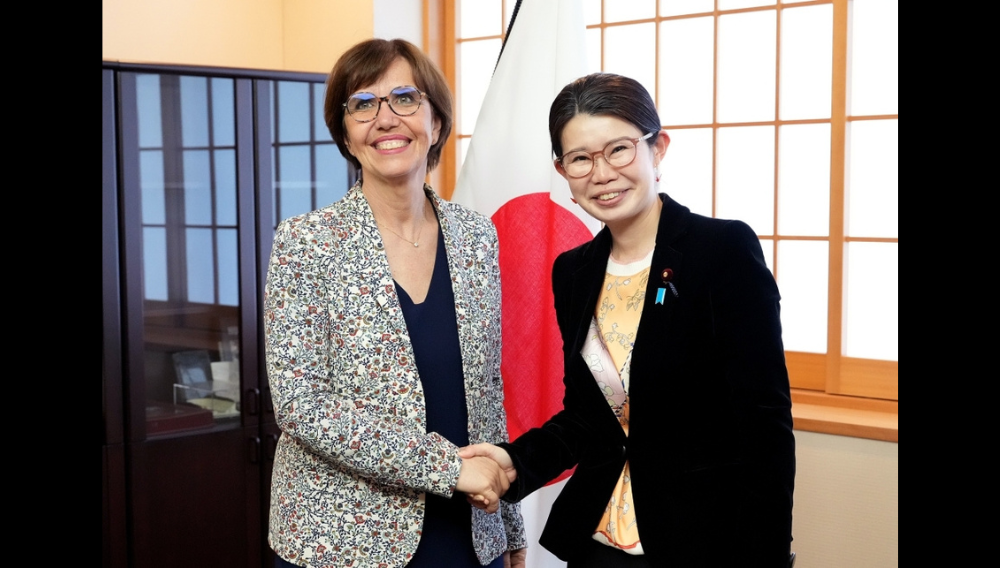
Dr Soubeyran meets with Dr Ayano Kunimitsu, State Minister for Foreign Affairs, Japan.
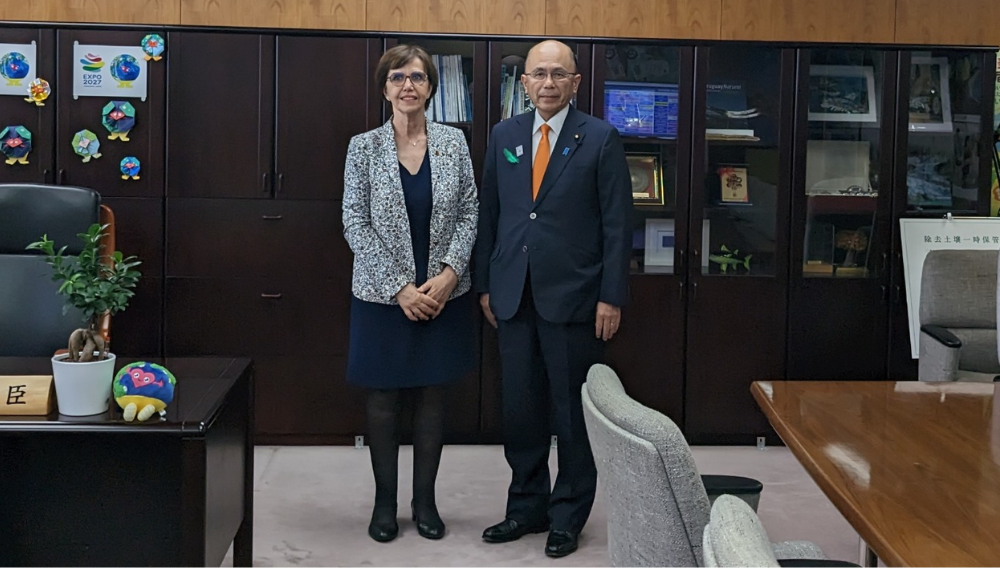
Dr Soubeyran meets with Mr Yukinori Nemoto, State Minister of the Ministry of Agriculture, Forestry and Fisheries, Japan.
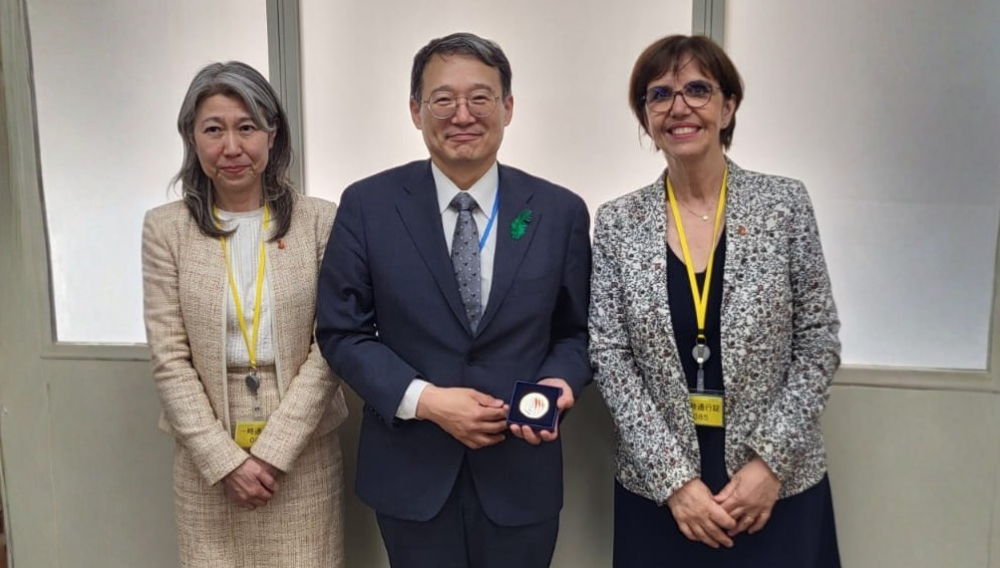
WOAH Regional Representative for Asia and the Pacific Dr Tomoko Ishibashi with Dr Kazutoshi Matsuo, Chief Veterinary Officer of Japan, and Dr Soubeyran.
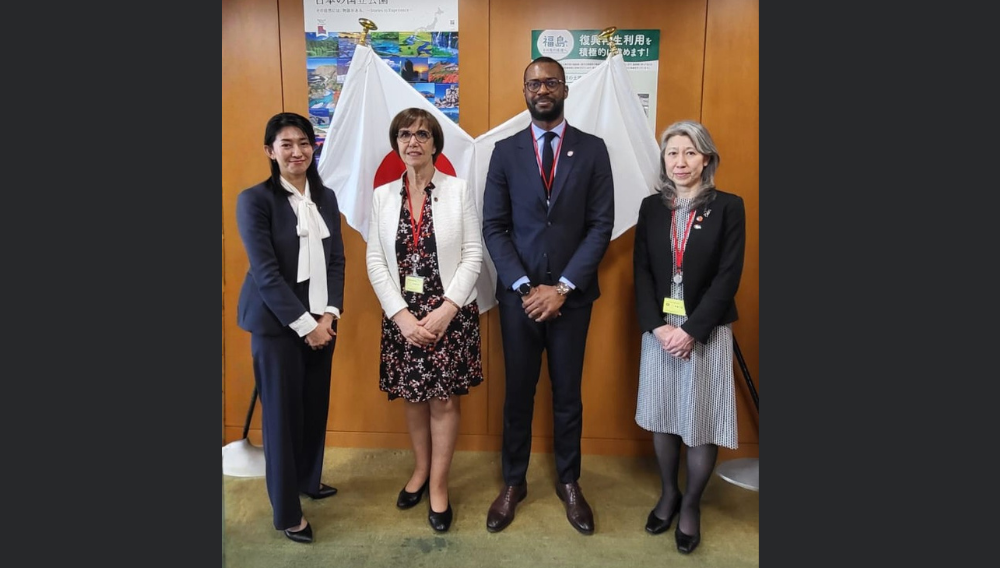
Dr Soubeyran with Ms Chisato Morishita, Parliamentary Vice-Minister of the Environment and a Member of the House of Representatices, Japan. Joining her is Mr Pierre Emmanuel Cangah, WOAH Chief of Staff, and Dr Ishibashi, WOAH Regional Representative.
WOAH experts from headquarters, the Regional Representation for Asia and the Pacific, and sub‑regional offices contributed to multiple scientific and technical sessions addressing priority animal health challenges in the region.
Key contributions included:
Together, these sessions demonstrated WOAH’s integrated approach to surveillance, preparedness, prevention and response — linking data, policy and operational capacity at national and regional levels.
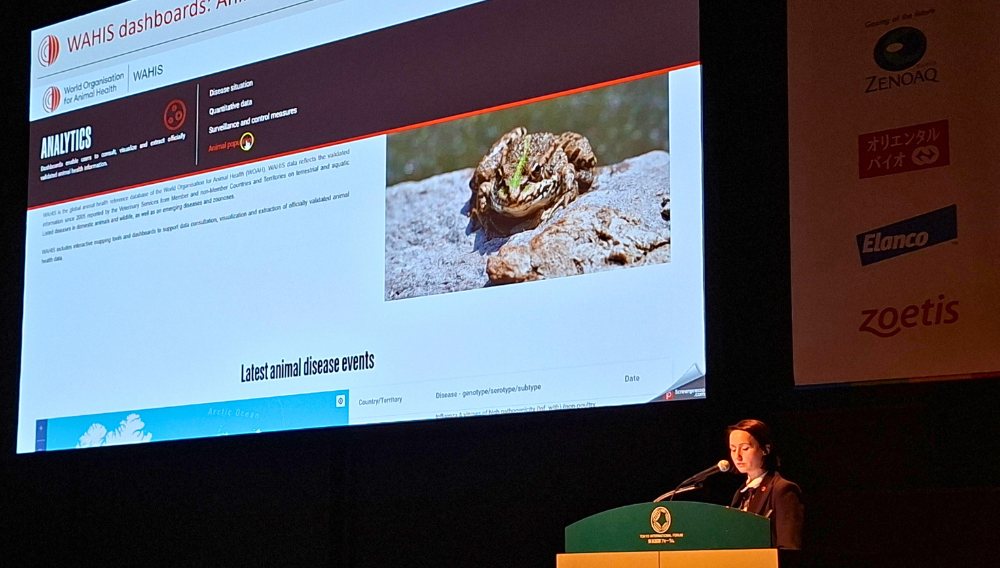
Dr Anastasija Popova, Animal Health Information Analyst at the WOAH Regional Representation for Asia and the Pacific, delivering a presentation on the World Animal Health Information System (WAHIS) at WVAC 2026.
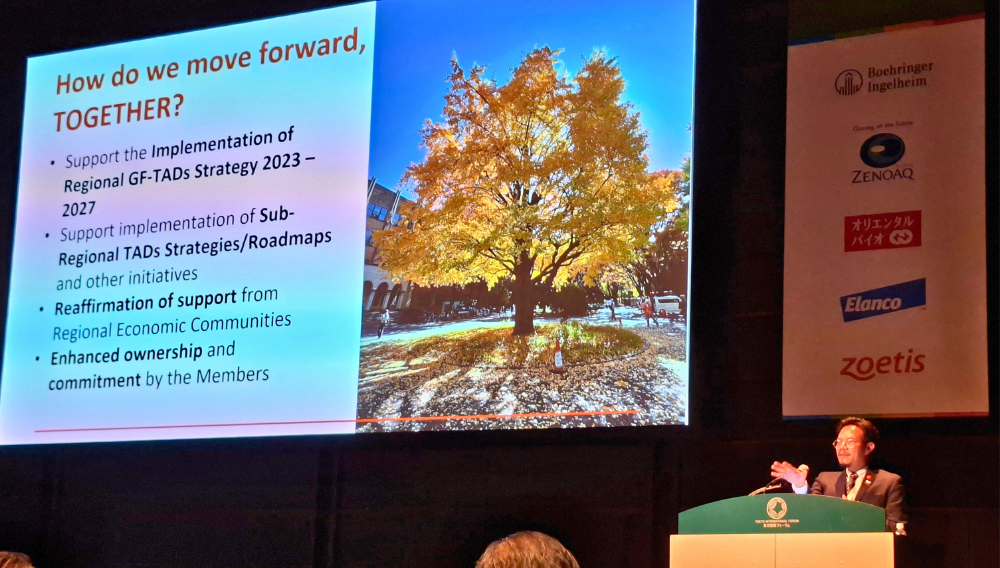
Dr Samuel Castro, Regional Transboundary Animal Diseases (TADs) Coordinator at the WOAH Regional Representation for Asia and the Pacific, delivering a presentation on the Global Framework for the Progressive Control of Transboundary Animal Diseases (GF-TADs) at WVAC 2026.
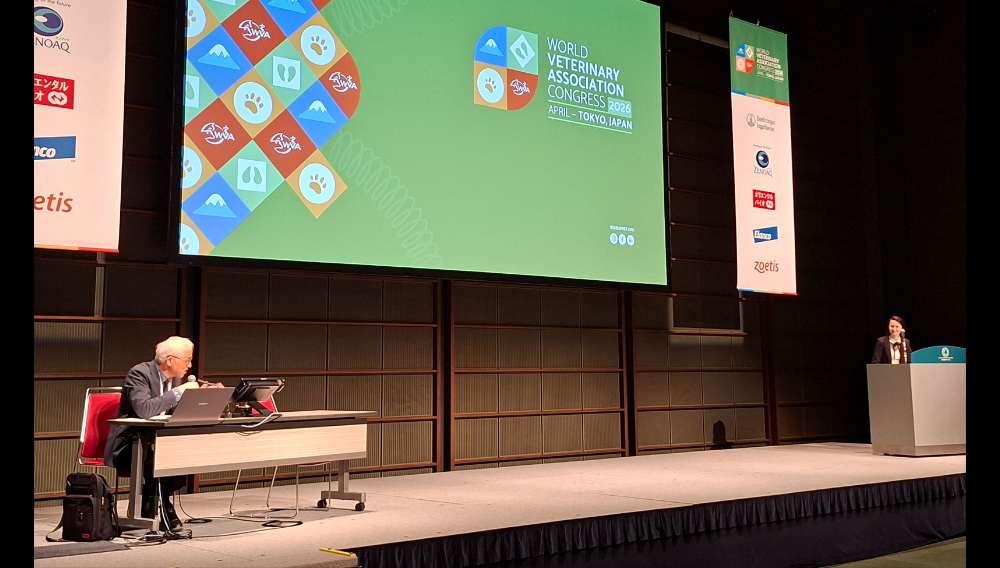
Former WOAH Regional Representative for Asia and the Pacific Dr Hirofumi Kugita introducing Dr Popova at a session of WVAC 2026.
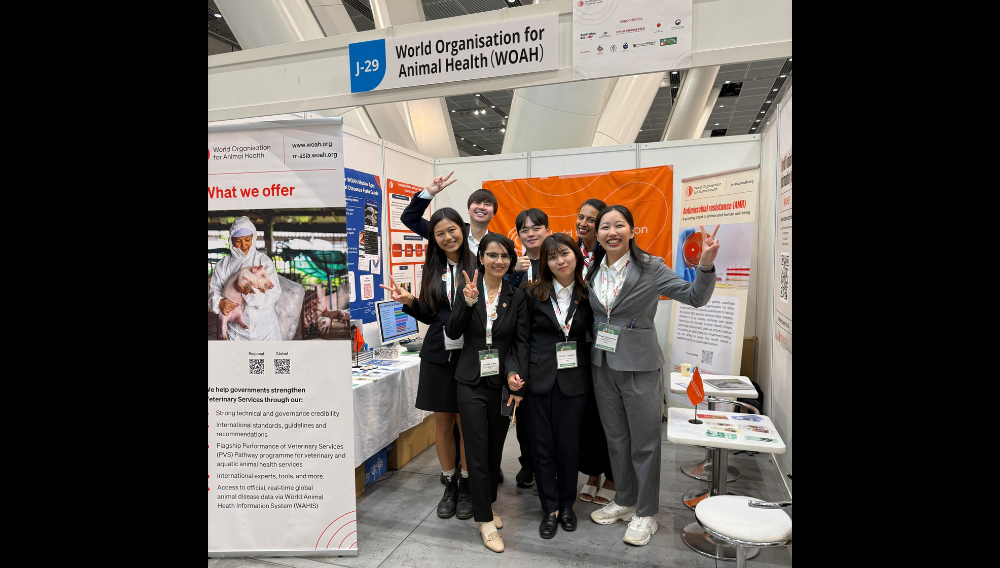
WOAH also maintained a strong presence at the Congress through its WOAH booth, which was staffed by an energetic team of regional staff and interns. Throughout the four‑day event, the team engaged Congress participants through posters, presentations, interactive quizzes and discussions, helping to raise awareness of WOAH’s mandate and activities.
As part of this outreach, interns conducted short interviews with consenting participants on the topics of antimicrobial resistance and GEDSI, capturing perspectives from across the veterinary community and fostering dialogue on emerging and cross‑cutting challenges in animal health.
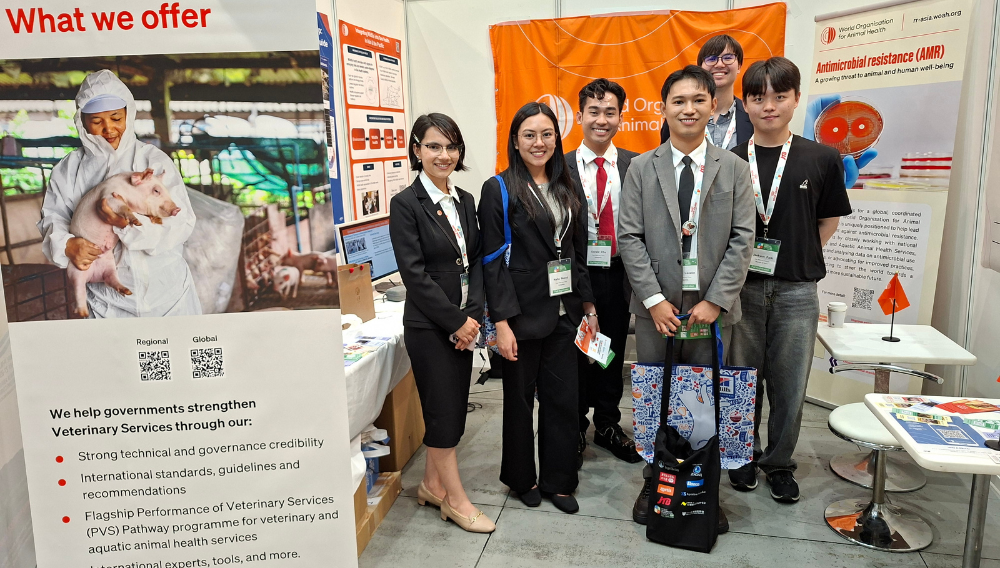
Our intern team at the WOAH booth of WVAC 2026.
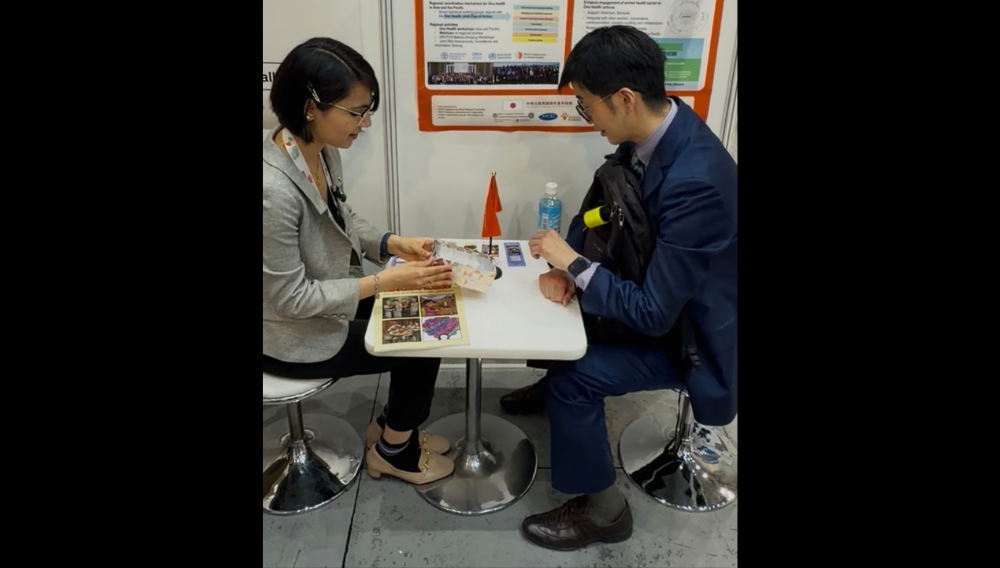
WOAH intern Ms Asmita Gaire (University of Tokyo, Faculty of Agriculture), engaging a visitor from the University of Tokyo at the WOAH booth, WVAC 2026.
The WOAH team welcoming visiting private clinic veterinarians from the Philippines.
WOAH’s active participation in WVAC 2026 reaffirmed the organisation’s central role in supporting veterinarians and Veterinary Services as key actors in One Health implementation. By addressing transboundary animal diseases, wildlife spillover, AMR, disaster preparedness and inclusive governance, WOAH continues to work with Members and partners to build resilient, transparent and sustainable animal health systems across Asia and the Pacific.
WOAH Director General Dr Soubeyran offering final remarks at the Gala Dinner of WVAC 2026.
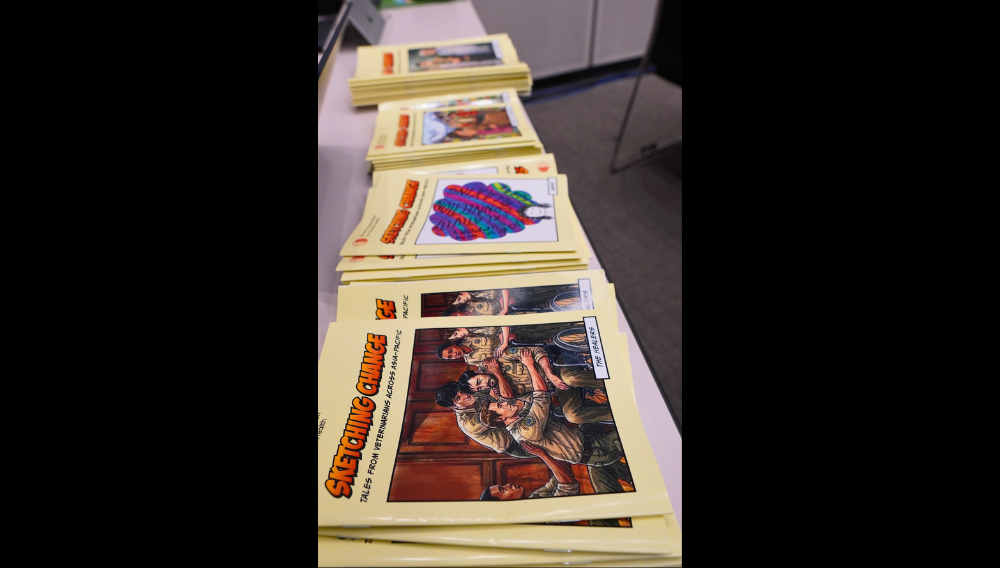
Copies of the winning comic book submissions at the GEDSI comics contest during the WOAH GEDSI session at WVAC. Digital copies are available on our site! Search in the Resources section (in the menu under "What We Offer").
The winner of the WOAH GEDSI comics competition, Dr Althathitamara Timmy of Indonesia, presenting her winning submission at the WOAH GEDSI session of WVAC.
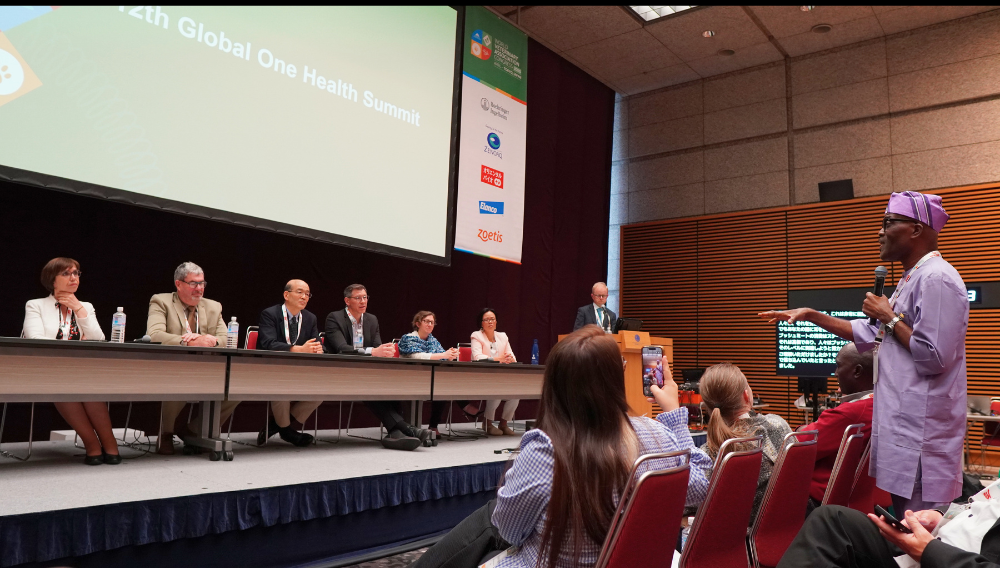
WOAH's Dr Soubeyran participating in the panel at the WVA One Health Summit, held at WVAC 2026.
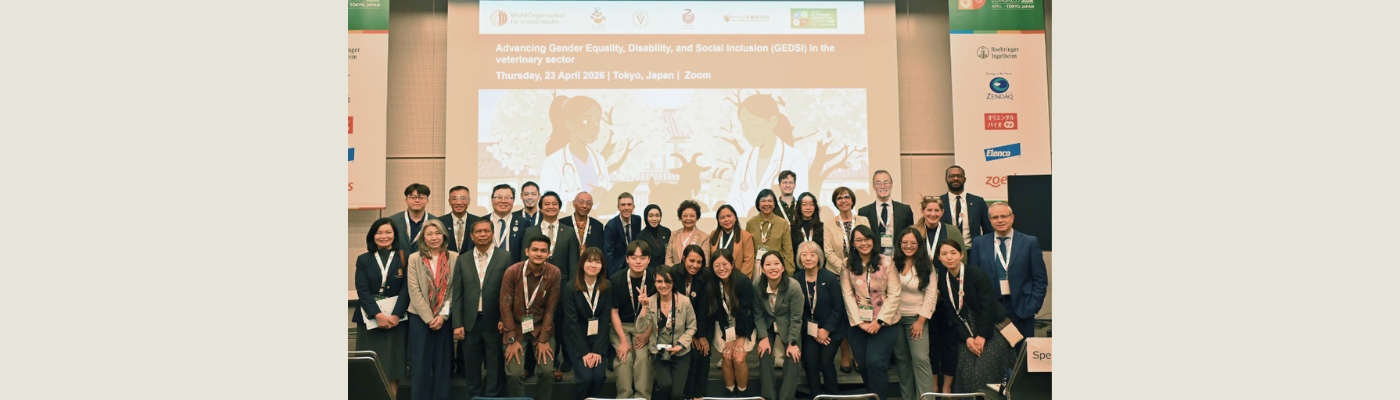
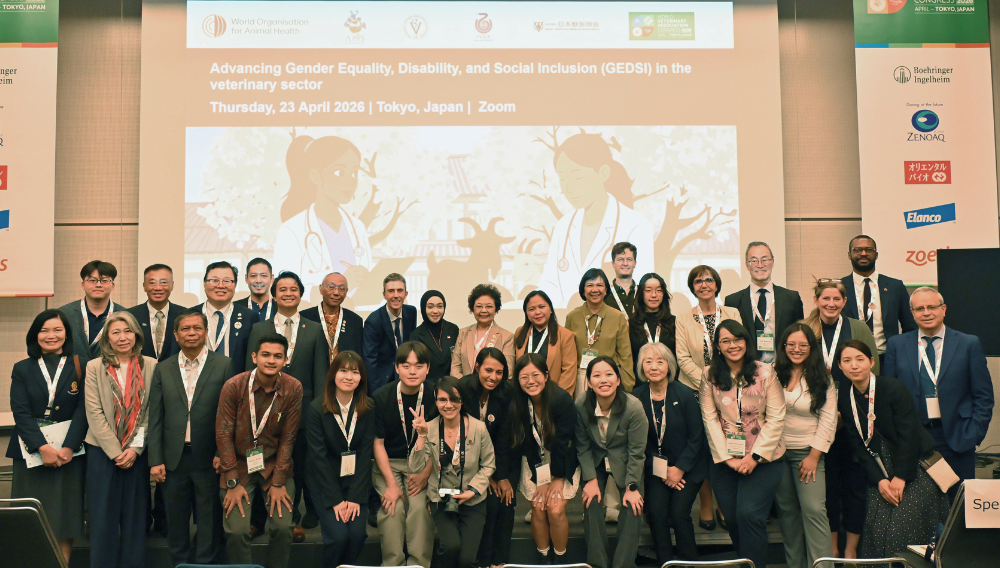
Group photo of everyone at the WOAH GEDSI session held at WVAC 2026, on 23 April 2026.